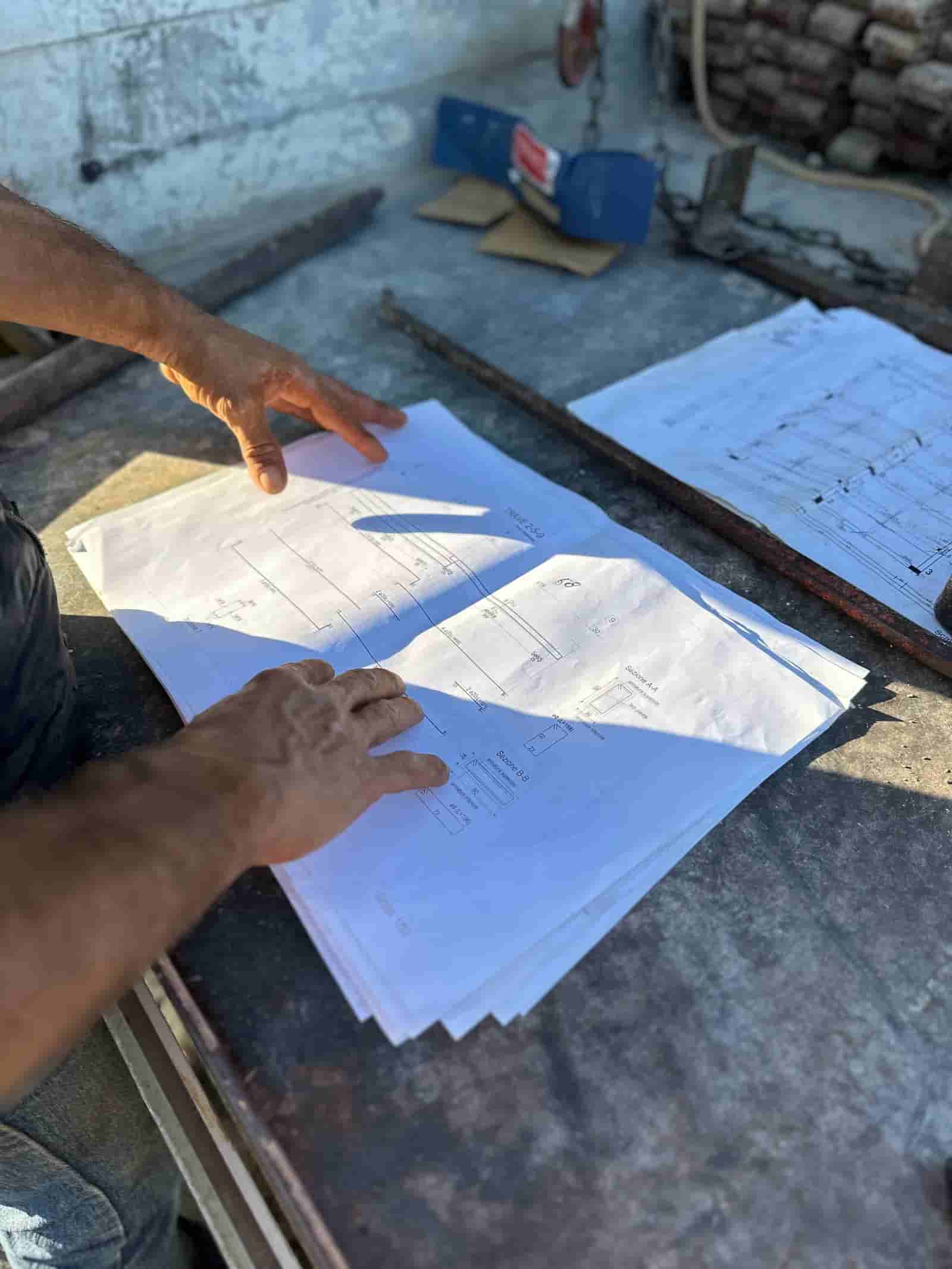
What construction teams actually use AI for, and how it works.
Plain answers on where AI helps on real projects, what it does, and what stays in your team's hands. Every workflow runs in your tenant, your people sign off.
Free walkthrough on your own plans. Your estimator signs off.
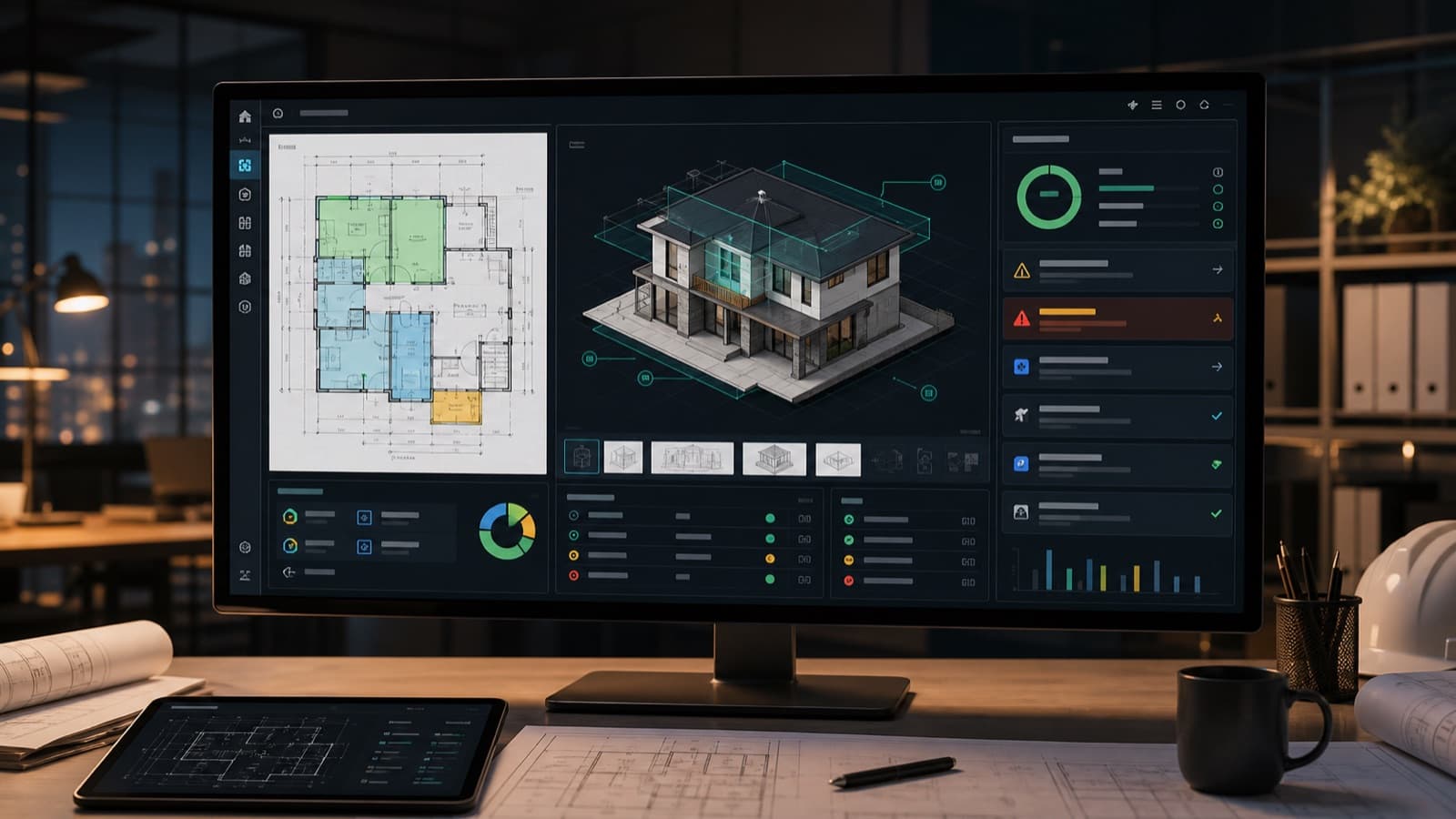
AI agents in construction explained
An AI agent in construction is software that takes a goal, works through the steps on your own project documents, and hands back finished work for a person to approve, unlike a chatbot, which only answers questions. Agents apply to document-heavy tasks like reading specs, producing a takeoff, drafting an RFI, or assembling a report. The agent does the legwork while a human keeps judgment and sign-off at every step.
Read moreAI construction scheduling and lookaheads
AI construction scheduling tools read your CPM schedule, RFI log, change order log, and field reports to draft lookaheads, test sequencing options, and flag activities at risk before they slip. The AI does the assembly and surfaces conflicts; the planner keeps the logic, the means and methods, and the sign-off. Ruh runs in your own tenant on your own documents and returns drafts your team reviews.
Read moreAI contract review for construction
AI contract review for construction reads an executed contract and its attachments, then flags risk language (payment terms, indemnification, notice requirements, and scope ambiguity) with the exact wording and section cited for the team to review. It is a fast, consistent first pass, not legal advice, and your reviewers and counsel keep the judgment and the sign-off. Ruh runs this in your own tenant on your own documents.
Read moreAI daily reports for construction
AI daily reports for construction assemble a daily field log from inputs your crew already creates (photos, voice notes, texts, emails, time entries, and weather) into a structured draft, which the superintendent or PM then reviews and signs. The AI handles the assembly and flags gaps; the human keeps judgment and final sign-off, since the signed log is the document of record. With Ruh, this runs inside your own tenant on your own documents.
Read moreAI document search for construction projects
Construction document search ai lets you ask a plain-language question across a project's specs, drawings, RFIs, submittals, and contracts and get a direct answer with citations to the source document, instead of manually searching PDFs one at a time. The system retrieves the relevant passages from your own document set, reads them, and points back to where each fact came from so your team can verify before acting. To keep contracts and drawings private, it should run inside your own tenant on your own documents.
Read moreAI for certified payroll and prevailing wage compliance
AI-assisted certified payroll software reads your payroll data and project documents inside your own tenant, classifies each worker by trade, checks paid rates and fringes against the applicable wage determination, and assembles a ready-to-submit WH-347 for the payroll team to verify and sign. It handles the repetitive matching and formatting behind Davis-Bacon and prevailing wage compliance while a person keeps judgment on every certification. Because Ruh runs on your records, timecards, union agreements, and wage determinations stay inside your systems.
Read moreAI in construction: where it actually helps
AI in construction is used most where the work is reading documents you already own: searching plans and specs, drafting RFIs, logging and comparing submittals, structuring daily reports, supporting takeoff and estimating, and processing back-office paperwork like AP invoices and pay applications. In each case the AI extracts, drafts, and flags, while a person verifies and signs off. It assists; it does not replace the human judgment that owns money, schedule, and liability.
Read moreAI progress tracking and reality capture
AI progress tracking compares site reality capture (photos, 360 walks, drone imagery, scans) against your drawings and schedule, then flags where the build matches the plan and where it has deviated. It speeds up percent-complete reporting and catches out-of-sequence or behind-schedule work earlier, while a person still confirms each flag and signs off. With Ruh it runs inside your own tenant on your own documents.
Read moreAI proposal and bid writing for construction
AI bid writing for construction speeds proposal and RFP assembly by reading the solicitation and your past proposals in your own tenant, then mapping spec requirements to scope, drafting clean inclusions and exclusions, and filling qualifications and forms like the SF 330. The estimator still owns pricing and the final scope, and a human reviews and signs off before anything is submitted. AI handles the reading and drafting; judgment stays with your team.
Read moreAI RFI automation in construction
AI RFI construction tools draft a clear request for information from a field note and photo, attach the relevant spec sections and drawing details, suggest the right reviewer, and track turnaround so RFIs do not go quiet. The AI handles the drafting, retrieval, routing, and clock-watching, while the engineer keeps the technical answer and sign-off. RFI delays are commonly cited as a meaningful driver of schedule overruns, which is why tightening this loop matters.
Read moreAI safety monitoring on construction sites
AI safety monitoring on construction sites means using computer vision to flag hazards in jobsite photos and video (missing fall protection, blocked egress, unsafe lifts) and predictive analytics to surface elevated risk from project data, while safety leaders review every flag and decide what to act on. It does not replace your safety team or your cameras; it is a hardware and process heavy effort that triages a flood of site media so people spend time on real exposures. Tools like Ruh run inside your own tenant on your own documents and footage, so AI assists and your team keeps judgment and sign-off.
Read moreAI submittal review for construction
AI submittal review cross-references a vendor submittal against the governing spec section, flags discrepancies and missing items, and drafts a review summary for the project engineer to verify and stamp. It speeds up the mechanical first pass (reading and lining up requirements) while the human keeps every approval decision. Accuracy is strong on clean digital documents and weaker on poor-quality scans, where the AI output should be treated as a draft for a closer human read.
Read moreBest AI tools for construction in 2026
The best AI tools for construction in 2026 fall into a few categories: takeoff and estimating, document intelligence, RFIs and submittals, scheduling, safety, and back office. The right choice depends on the workflow you want to improve, judged against three criteria: it runs on your own data, its output is reviewable before it counts, and your records stay secure. In every category AI reads, drafts, and proposes while your team keeps judgment and final sign-off.
Read moreChatGPT for construction: what works and what breaks
ChatGPT works well for construction writing tasks like drafting RFIs, scopes, emails, and meeting recaps from text you paste in, but it breaks on real project work because it cannot read your scanned drawings, has no access to your specs or contracts, and will produce confident but invented quantities. For anything that touches your actual project documents or leaves the building, use a purpose-built construction AI that runs on your files inside your own tenant and keeps your team on sign-off.
Read moreGenerative AI in construction: use cases
Generative AI in construction reads the documents a job already produces (drawings, specs, RFIs, invoices) and drafts the next document, from quantity takeoffs and RFIs to change orders and invoice matching. It works best as a first-draft and cross-checking tool across preconstruction, bidding, the field, and the back office. The human keeps every scope call, price, and sign-off.
Read more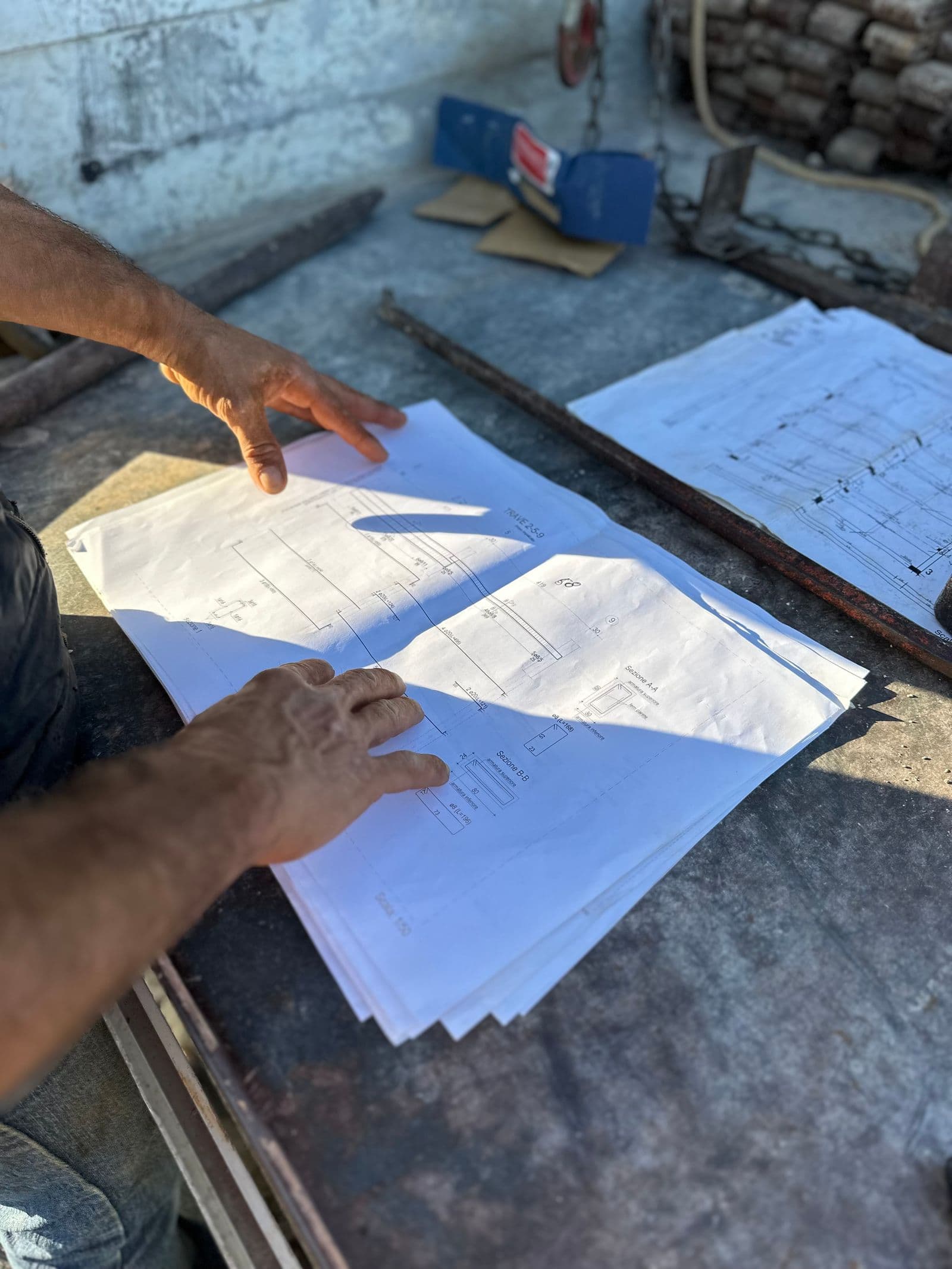
See it run on your own documents.
A free 30 minute walkthrough inside your own stack, no card. Your team signs off on every output.
Put AI on your next project.
Bring a real drawing set, an invoice stack, or your document pile. We run an agent on it in your tenant and show real output before the call ends.