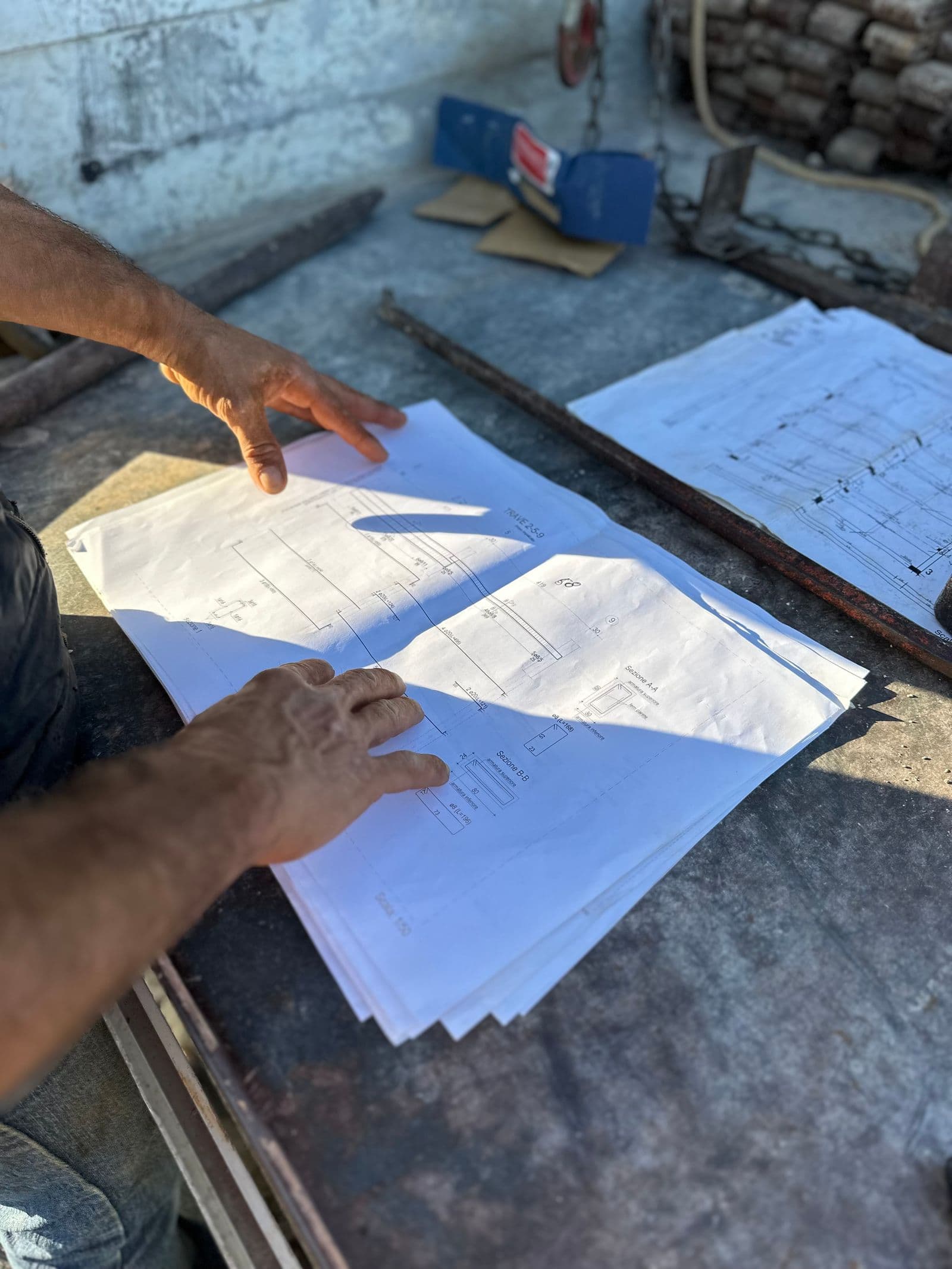
The buildout of the decade, on one project graph.
Data centers are the fastest-growing asset class in construction, and the constraint is not capital, it is delivery: power feasibility, site selection, design cycles, and construction schedules. Ruh brings the AI-native platform approach to mission-critical work: feasibility answered with real data before land is committed, generative site schemes on the actual parcel, drawing sets generated as the contractual spec, and the bid and build carried on one record. In preview for data center teams now.
- ✓Power and utility feasibility before land money is committed
- ✓Site schemes iterated on the real parcel in hours
- ✓Design to drawing set to bid, on one project record
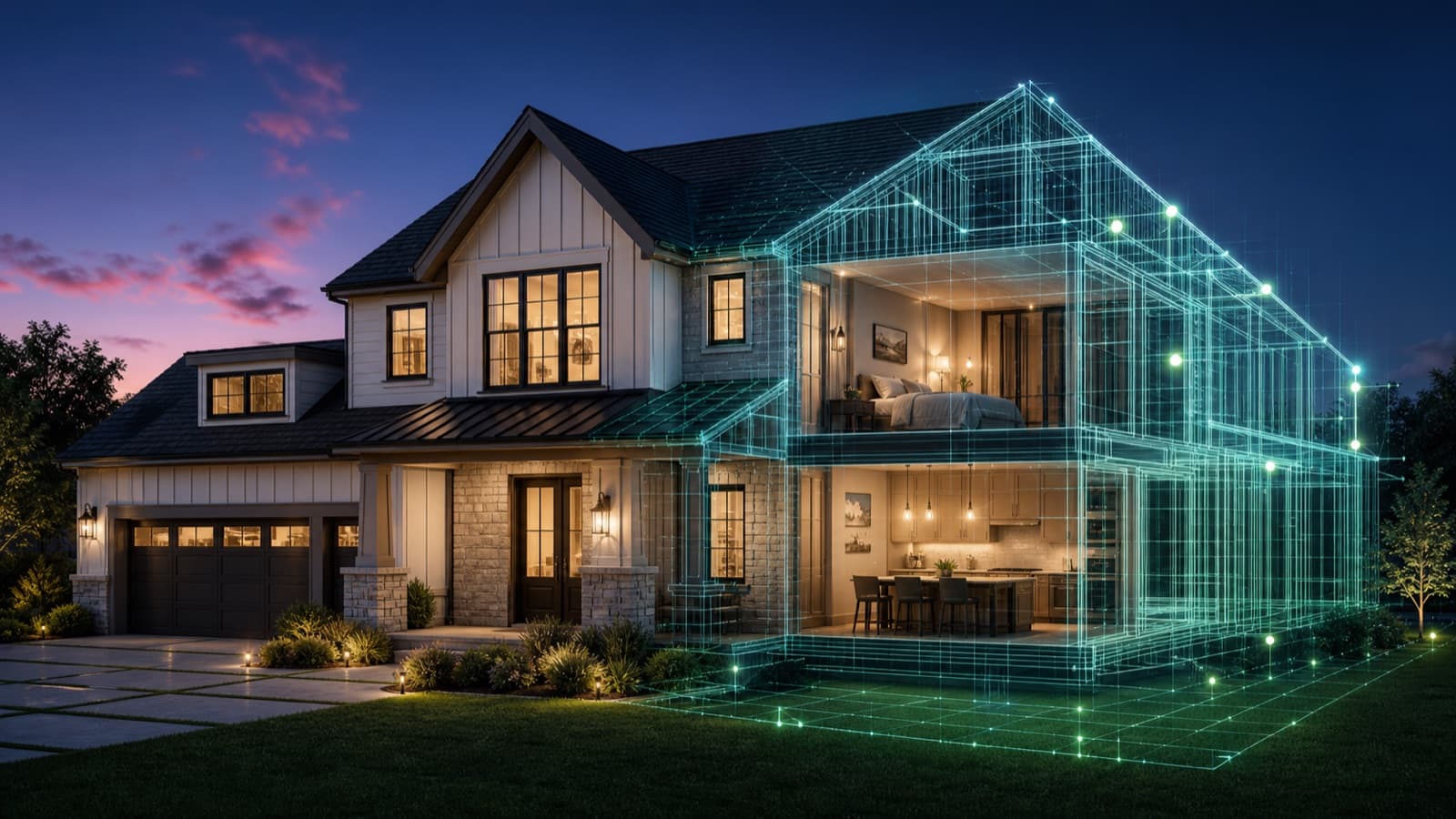
The Data Center Crew.
The platform preview, plus the shipped bid-side products already running on the same graph.
From Site Question to Shovel-Ready.
Feasibility First
Power availability, utilities, environmental clearances, and regulations gathered from real data sources into one answer.
Scheme the Campus
Generative site schemes on the actual parcel, iterated against setbacks, power, and phasing constraints in hours.
The Set Generates
Drawing sets produced from the model as the contractual spec, revisions carried instead of scattered.
Bid and Build on the Graph
The set lands in AI Takeoff, the estimate becomes the record, and the build phase carries it to closeout.
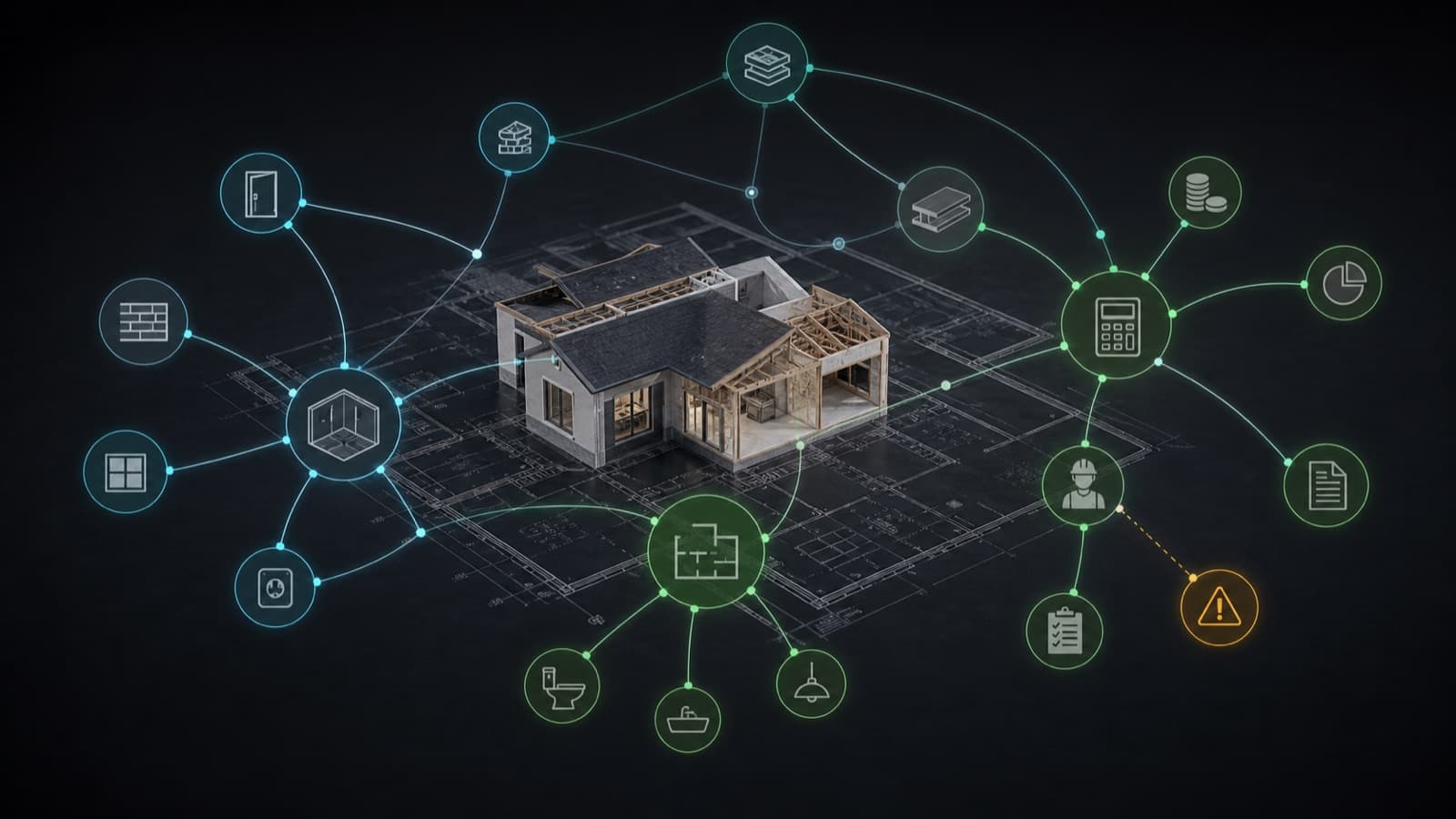
The Data Center Delivery Problem.
Power Is the Gating Question
Megawatts, interconnection timelines, and utility capacity decide whether a site is real. Answering that late wastes land money and quarters of schedule.
Design Cycles Fight the Market
Demand moves faster than traditional design-document cycles. Every week in drawing production is a week of unserved capacity.
Program-Scale Re-Keying
Multi-site programs multiply every handoff: the same data re-entered across feasibility decks, design sets, bids, and build records, with errors compounding.
AI for Data Center Construction, Explained.
A Construction Problem, Not a Compute Problem
The industry talks about chips and power purchase agreements, but the binding constraint on AI infrastructure is construction delivery: whether a qualified site can be found, designed, documented, and built on schedule. That is a feasibility, drawing set, and coordination problem, which is exactly the part Ruh automates.
Feasibility With Real Data
Site selection for a data center is a stack of hard questions: power availability and interconnection, water, fiber, environmental clearances, zoning. Ruh's feasibility engine gathers those answers from real data sources into one report before land and design money is committed, so dead sites die cheap.
Design at Demand Speed
Generative site schemes iterate on the actual parcel against power, setback, and phasing constraints in hours, and the drawing set generates from the approved model as the contractual spec. For a repeatable building type like a data hall, design reuse compounds: the second campus starts from everything the first one learned.
The Graph Is the Program
Multi-site programs live or die on consistency. One project graph carries feasibility, design, bid, and build for every site, beside the Procore and Autodesk environments your delivery partners run, so program leadership sees real status without a reporting layer, and nothing is re-keyed between phases. The shipped bid-side products already run on this record today.
Where This Is Headed
Ruh is building toward the full lifecycle for mission-critical work: feasibility, design, documentation, bid, build, and the money rail, with a portal for every seat at the table. Data center teams that want to shape that are exactly who the preview is for. Bring a program and we will walk the current state and the roadmap.
Why Mission-Critical Needs the Graph.
Judge It on Your Own Work, Not a Demo.
Built to Work Together.
See It on Your Own Work.
A free 30 minute walkthrough on your real work, no card. You decide if you move forward.
Proof and Perspective.
One Useful Email. No Drip Campaign.
Takeoff teardowns, cost data, and field notes from teams putting AI on real bids. Sent when there is something worth reading, never on a content calendar.
No spam · Unsubscribe anytime
Frequently Asked Questions
What data center developers and delivery teams ask about the preview.
What does Ruh do for data center construction today?
The bid-side products are shipped: measured takeoffs and priced estimates for shell, site, and fit-out scopes. The design phase, feasibility, generative site schemes, and drawing set generation, runs in preview on the same project graph, and data center teams are the priority preview audience.
What does the feasibility engine cover?
Does this replace our AE firm or design partners?
Does it handle multi-site programs?
How do we engage?
Build the Buildout Faster.
Bring one site question or one program to a 30 minute call. We will show you feasibility, site schemes, and the drawing set pipeline on your kind of project.