Price certainty, from the first conversation.
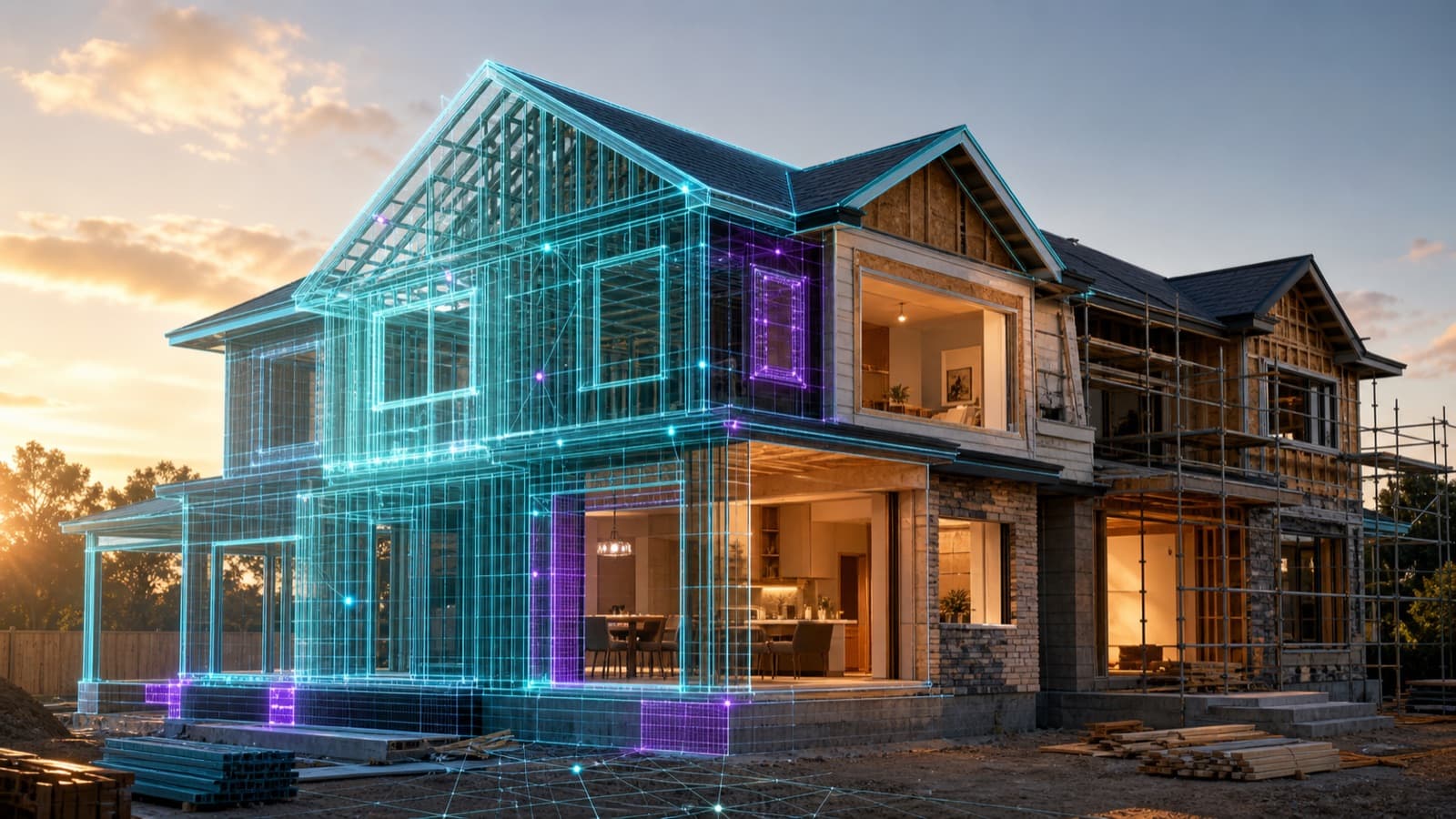
Ruh AI gives owners and developers a measured budget range in days instead of weeks: quantities taken off the real plans, priced against real historical data, with every assumption labeled. Feasibility gets answered before land and design money is committed, plan options get priced without a re-estimate each time, and the Owner Portal, now in preview, carries decisions and an honest timeline on one project record.
- ✓A measured budget range in days, even from an early plan set
- ✓Feasibility answered before land and design money is spent
- ✓One project record, with an owner portal in preview
The Owner's Crew.
The agents that answer an owner's two questions: what will this cost, and can this site carry it.
From Plan to a Number You Can Commit To.
Bring What You Have
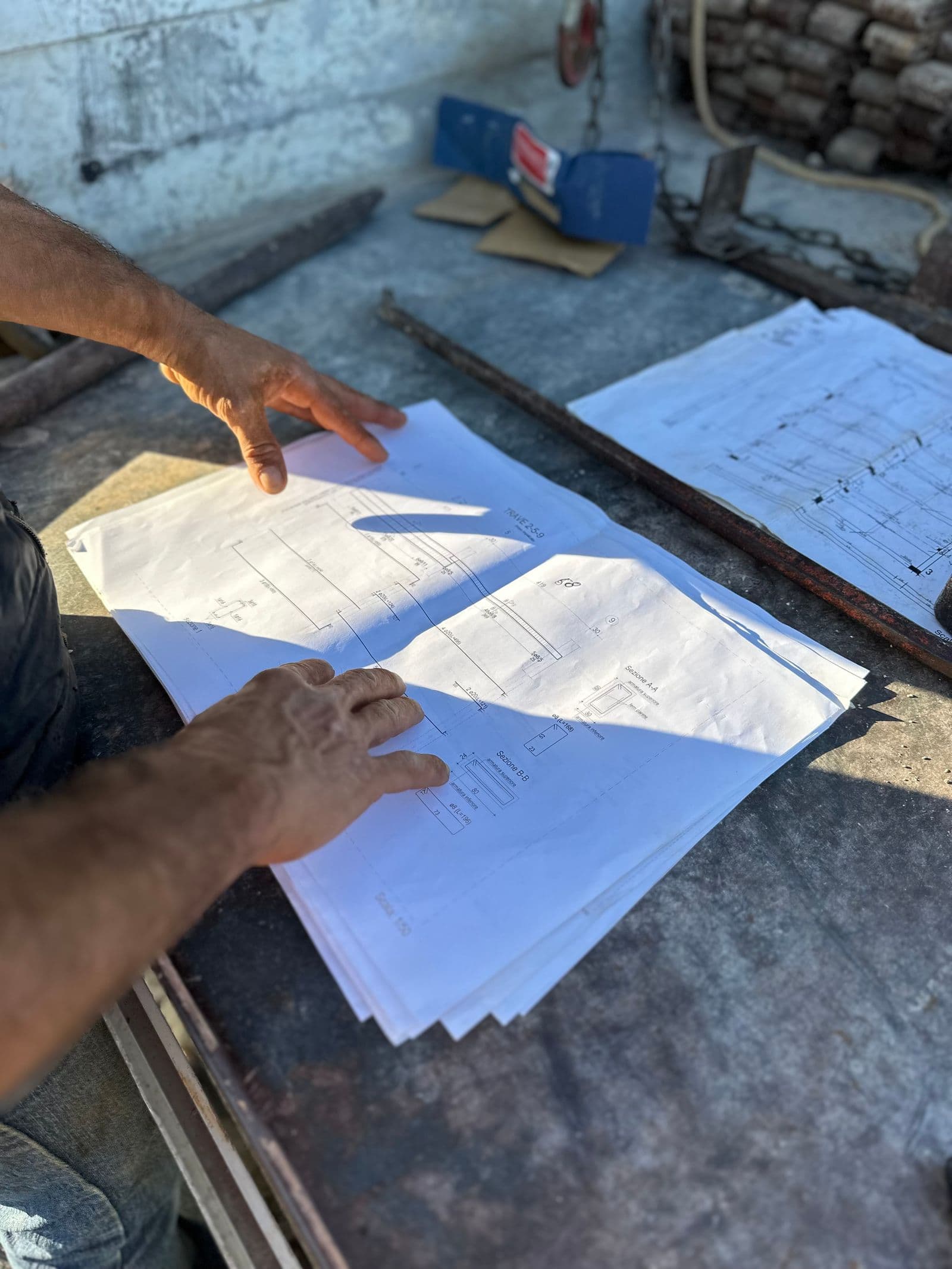
A full drawing set or an early house plan. The takeoff runs on the real documents, at whatever stage they are.
The Range Comes Back Measured
Quantities taken off the plans, priced against historical data, with every assumption labeled instead of buried.
Options Get Priced, Not Re-Estimated
Plan variants and scope options price from the same model, so comparing paths stops costing a week each.
You Decide With the Risk Visible
What is measured, what is derived, and what is assumed is written down. You commit knowing which is which.
What Owners Told Us Actually Hurts.
Four Weeks to a First Price
Owners described the same cycle: measure, back to design, then initial pricing, about a four-week turnaround. Momentum and decisions die in that gap.
Every Option Is a Re-Estimate
Pricing each plan variant is so much work that owners stop doing it, and decisions get made on fewer options than they should.
Ballparks Carry the Risk
First numbers come from gut feel on past jobs. The range is wide, the assumptions are invisible, and the surprise arrives after commitment.
In Their Words.
Taken from discovery calls and working sessions with owners and builders. Anonymized: roles and company types only, lightly cleaned for transcription noise.
Once they go into preconstruction, I go out and do a measure, come back to designs, and then do that initial pricing. That is usually about a four-week turnaround.
I used to price every plan option, but it was so much work that I stopped.
If I can give them a comfort-level range quickly, I get them to spend more money quickly.
I am giving them price certainty up front.
AI for Owners and Developers, Explained.
Leverage Before Commitment
An owner's leverage is highest before commitment, and that is exactly when the information is worst. The first price arrives weeks after interest, built from ballparks on past jobs, with the assumptions living in someone's head. Ruh changes the timing and the transparency at once: quantities are measured off the real plans, even an early set, priced against real historical data, and the range comes back in days with every assumption written down and labeled.
Speed Changes Behavior
Speed changes behavior on both sides of the table. Builders told us plainly that a fast, credible range gets an owner comfortable and spending sooner, and owners told us the four-week measure-design-price cycle is where projects stall. When options price from the same model instead of triggering a re-estimate each time, you compare three paths instead of settling for one, and you negotiate from measurement instead of hope.
Feasibility Before Land Money
For developers, the same engine answers the earlier question: can this site carry the project at all. Feasibility on Ruh means utilities, clearances, and regulations gathered from real data sources before land and design money is committed, and generative site schemes iterated on the actual plot in hours. The bid-side products are shipped today; the design phase and the Owner Portal run in preview on the same project record.
One Record, the Long Game
That one record is the long game. Decisions, budget, and timeline carried from feasibility through closeout, with an owner portal that shows a clean decision queue and an honest number instead of a box of PDFs at handover. Bring a plan, even a thin one, to a 30 minute call and leave with a measured range and the assumptions on the table.
Control Where You Need It
Control stays where an owner needs it. Everything runs inside a controlled tenant with no training on your data, every number traces to its source, and a human reviews before anything is committed. The teams we work with told us why that matters in their words: a person in the background double-checking the machine is what makes the whole thing trustworthy. On a project where your capital is the thing at risk, that is not a feature, it is the point. And it plays clean with whatever your builder and design partners already run, from Procore to Bluebeam to plain Excel.
Certainty You Can Take to the Bank.
Judge It on Your Own Work, Not a Demo.
Built to Work Together.
See It on Your Own Work.
A free 30 minute walkthrough on your real work, no card. You decide if you move forward.
Proof and Perspective.
One Useful Email. No Drip Campaign.
Takeoff teardowns, cost data, and field notes from teams putting AI on real bids. Sent when there is something worth reading, never on a content calendar.
No spam · Unsubscribe anytime
Frequently Asked Questions
What owners and developers ask before putting a project on Ruh.
What does an owner actually get from Ruh?
A measured budget range in days instead of weeks, feasibility answered before commitment, plan options priced without a re-estimate each time, and, in preview, an owner portal that carries decisions and timeline on one project record.
Do I need a full drawing set?
How is this different from the estimate my GC gives me?
What is the owner portal?
How do we start, and what does it cost?
Is my project data private?

Know Your Number Before You Commit.
Bring a plan, even an early one, to a 30 minute call. We run the measured takeoff live and walk the range with the assumptions on the table.