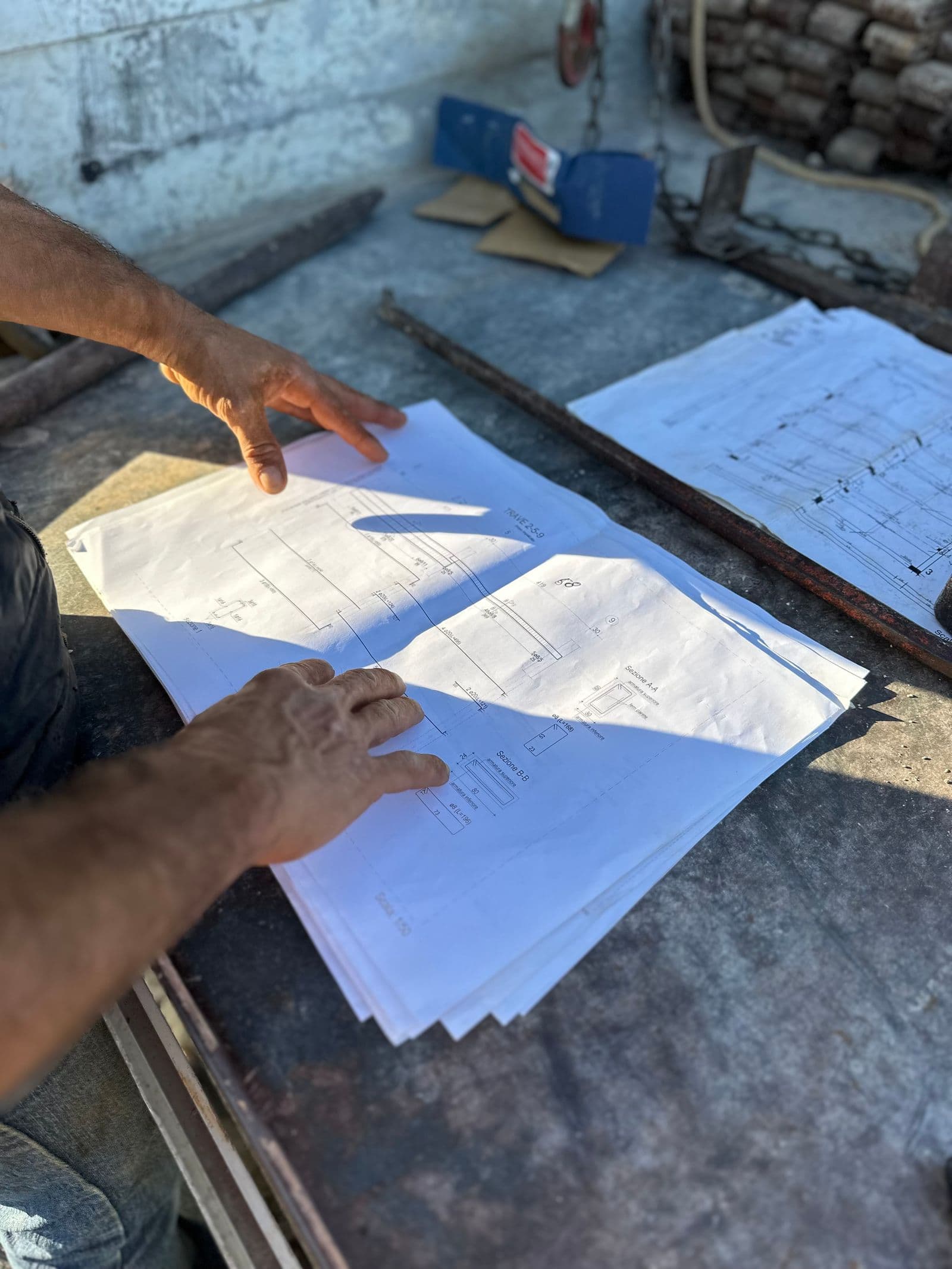
From drawings to an estimate, with reasoning.
Multi-trade sub-agents read the drawings, perform takeoffs, and cross-reference a regional pricing knowledge graph. An orchestrator brings them together into a detailed conceptual estimate, with reasoning a senior estimator can audit.

- Function
- Conceptual Estimating
- Phase
- On the engagement roadmap
- Stack
- Drawings repository · Vendor price sheets · Historical job DB
The Grind This Takes off Your Desk.
10 People, 4–6 Weeks
Replaced by multi-trade sub-agents running in parallel
Regional Pricing Variance
Knowledge graph by region, date, vendor tier
Audit-Ability
Every dollar → takeoff line → price-sheet entry
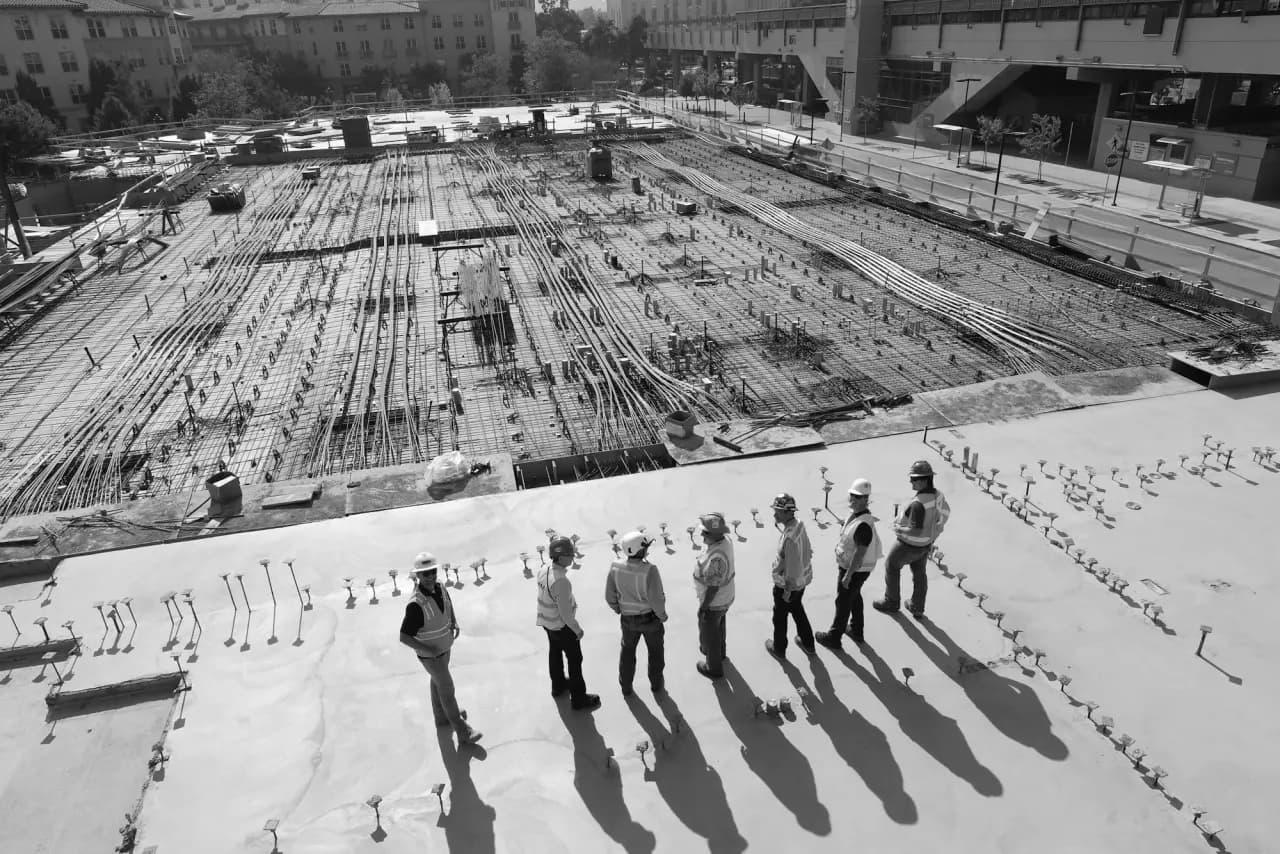
10 People, 4–6 Weeks.
Replaced by multi-trade sub-agents running in parallel. This is the work that doesn’t scale, and the work the Human Emulator owns end-to-end.
Without Ruh
Regional pricing variance. Audit-ability.
With Ruh AI
Knowledge graph by region, date, vendor tier. Every dollar → takeoff line → price-sheet entry.
Four Stages. One Human Emulator.
Sequential stages that run inside your existing tools.
READ
Drawing & Spec Comprehension
First, the agent fully understands the drawings. It reads every sheet, every spec division, every addendum. Returns confidence per area and logs open questions as RFIs, never guesses silently.
TAKEOFF
Multi-Trade Takeoff
One sub-agent per trade, electrical, plumbing, concrete, earthwork, roofing. Each one focused on its own scope, reading the drawings, performing quantity takeoffs with confidence per line.
PRICE
Regional Price Lookup
A knowledge graph holds your supplier price sheets, historical job data, and regional variation. Each trade's quantities get priced against the right region, the right date, the right vendor tier.
ORCHESTRATE
Estimate Orchestration
An orchestrator brings every trade's output together into a detailed conceptual estimate. Every assumption listed. Every exclusion called out. A senior estimator can audit the whole thing.
Conceptual Estimating · In Production
Runs inside the customer’s tenant.
See Conceptual Estimating Run on Your Data.
Same Human Emulator, your real workflow, in your tenant.
Outcomes You Can Point At.
Hours, Not Weeks
From 10 people × 4–6 weeks to hours of agent runtime.
Verifiable Reasoning
Every dollar traces back to a takeoff line and a price-sheet entry.
Region-Aware
Pricing varies by jurisdiction; estimate respects it automatically.
Assumptions & Exclusions
What the agent assumed and what it skipped, all listed.
What Teams Told Us About This Exact Work.
Verbatim from discovery calls and working sessions with construction teams, anonymized to role and company type, lightly cleaned for transcription noise.
Our estimating lead is a bottleneck holding deep knowledge: labor multipliers for height and pitch, how facade and material age move absorption, the judgment calls. It does not scale to new estimators or new offices.
Field notes and photos feed a fifty-megabyte Excel pricing sheet, then a macro, then a PowerPoint proposal. That is the whole estimating pipeline today.
We want a centralized brain trained on about two hundred past jobs of unit rates, with an authority hierarchy that defers to our lead estimator.
Fast preliminary budgets for lease negotiations are two to three weeks of unpaid work today. Same-day or next-day budgets would be a major relationship differentiator.
Want These Outcomes for Your Team?
Bring real data. We'll demo on a workflow you actually run.
Proof From Live Builds.



See Conceptual Estimating Run on Your Data.
Same Human Emulator, your real workflow, in your tenant. A free 30 minute walkthrough, no card.
One Useful Email. No Drip Campaign.
Takeoff teardowns, cost data, and field notes from teams putting AI on real bids. Sent when there is something worth reading, never on a content calendar.
No spam · Unsubscribe anytime
Straight Answers, Before the Demo
Can it learn our unit rates and the judgment calls our lead estimator makes?
+
Yes, that is the core of it. Your historical unit rates, coverage heuristics, and padding rules are encoded from real past jobs, about ten strong ones is enough to start, and corrections defer to your lead estimator the way your team already does. The house standard becomes something every desk prices from.
Can it produce a fast preliminary budget, not just full estimates?
+
Yes. Preliminary budgets run fast from limited documents with every assumption labeled loudly, which is exactly what a lease negotiation or an early client conversation needs. Teams told us that work is weeks of unpaid effort today; a same-day credible range changes the relationship.
Free Tools for This Work
- Stud Calculator
Wall-framing counts at 16 or 24 inch on-center, plus plates and sheathing.
- Board Foot Calculator
Lumber board feet and cost, with nominal sizes.
- Concrete Calculator
Cubic yards for slabs, footings and columns, with waste.
- SF Calc
Square footage to a ROM cost range, or your own psf derived from job actuals.
Estimating Software for Your Trade
- Glazing Estimating Software
Storefront and curtain wall by system square footage, punched openings by the each, IGU and framing priced apart.
- Masonry Estimating Software
Block and brick counted at the right unit size and waste, grout taken off the grouted cells, priced on your book.
- HVAC Estimating Software
Equipment by tag, duct by the foot converted to pounds on the gauge schedule, priced on your own book.
- Fire Sprinkler Estimating Software
Heads counted by area and hazard classification, pipe by the foot by size, priced by head and linear foot.
- Waterproofing Estimating Software
Membrane and barrier area by system, joints in linear feet, details counted off the wall sections.
- Construction Estimating Software by Trade
Every trade's units, assemblies, and a worked example, priced on your own numbers.
Ready to see it on your data?
Test It on a Project You Already Estimated.
Give us drawings from a finished job. We'll generate an estimate with reasoning, and you can verify how close it gets to the real cost.