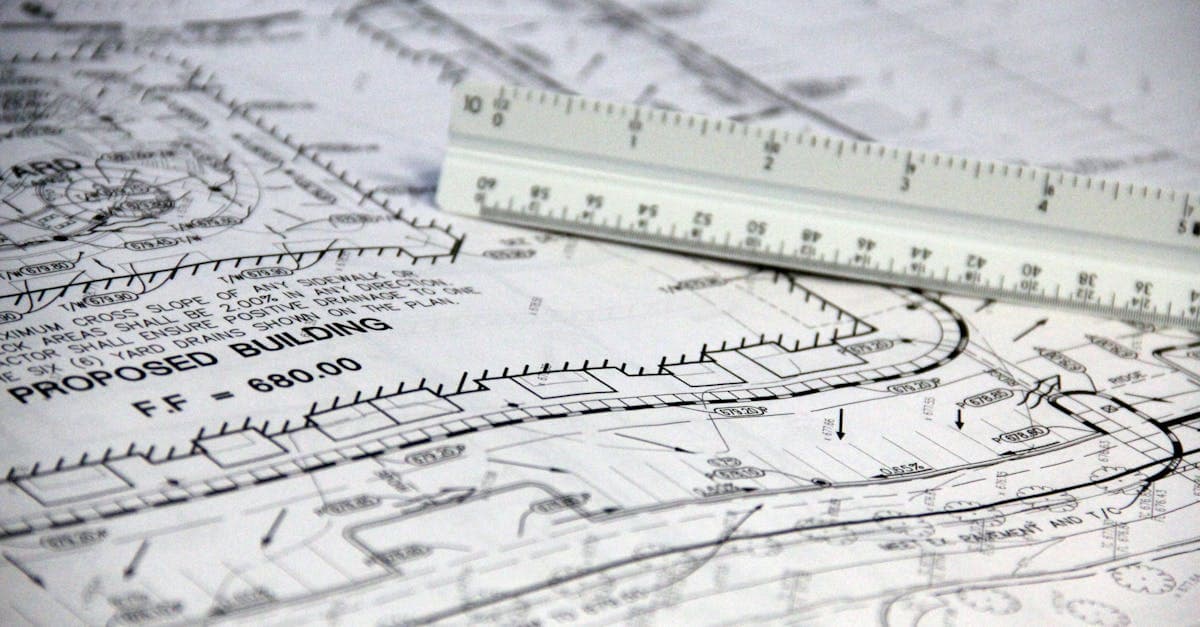
Your plans go in. A priced estimate comes out.
Ruh's AI estimator turns your plans into a priced, reviewable estimate in a fraction of the time. It runs inside your own tenant, on the tools you already use, with every line item traceable, and your estimator signs off.
What is Ruh construction estimating software?
Ruh is AI construction estimating software that reads your plans, specs, and historical pricing, then drafts a structured, line-item estimate with every assumption written down. It runs inside your own tenant on the tools you already use, your estimator reviews and approves every number, and teams are live in about a week.
Estimating teams already bidding with Ruh











Estimating is where deals are won or lost, and it is stuck.
Trapped in spreadsheets
Estimators live in Excel and clunky takeoff tools that slow them down instead of speeding them up.
Messy, incomplete inputs
Drawings arrive partial, specs change, and field notes and photos never make it into the number cleanly.
Knowledge in one head
Your best estimator's judgment is not written down. One wrong assumption can swing a whole bid.
From plans to a reviewable estimate.
Ruh's AI estimator does the heavy lifting and hands a clean draft to your team. It never sends a number without a human signing off.
Feed it your project
Drop in plans, specs, and your historical pricing. It reads them and pulls the scope.
It drafts the estimate
A structured, line-item estimate with every assumption written down and flagged for you.
You review and send
Your estimator checks the flagged items, adjusts, and approves. Nothing goes out without a human.
of organizations get zero return from generative AI.
of companies have abandoned most of their AI initiatives.
extract real value from AI. That is the standard we build to.
Built for how contractors actually work.
Runs in your tenant
Your data stays yours, inside your own environment, on your AI license.
Uses your existing tools
Works with the spreadsheets and systems your team already trusts. No rip and replace.
Full audit trail
Every number traces back to a source and an assumption you can inspect.
Human in the loop
The AI drafts, your estimator decides. It never sends a bid on its own.
Coach it like a hire
Correct it once and it learns your pricing, your assemblies, and your standards.
Live in about a week
No long implementation. We set it up on your work and you start on a real bid.
What does Ruh estimating software include?
Everything between the drawing set and the bid: takeoff, pricing, assumptions, and the paper trail behind them.
Plan and spec reading
Reads full drawing sets and specifications, sheet by sheet, and pulls the scope by trade.
Quantity takeoff
Counts and measures from the drawings, so quantities are measured, not guessed.
Prices from your price book
Unit costs come from your historical pricing and assemblies, not a generic database.
Assumptions written down
Every assumption is logged and flagged, so your estimator checks judgment calls, not arithmetic.
Line-item estimates
A structured, bid-ready estimate broken out by trade, with every line traceable to a sheet.
Scope gap flags
Low-confidence and missing-scope items come back as questions instead of disappearing into the number.
Exports to your tools
Lands in Excel and the systems your team already runs. No rip and replace.
Full audit trail
Every number traces to a source you can inspect, from sheet to line to total.
Construction estimating software, explained.
Construction estimating software turns a drawing set into a priced bid. Most tools only help with one half of that job: takeoff software measures quantities but leaves pricing to a spreadsheet, and spreadsheet estimates depend on quantities someone still has to click out by hand. Ruh runs the whole pass as one motion. The AI cost estimator reads your plans and specifications, performs the quantity takeoff by trade, prices each line against your own price book, and hands your estimator a structured, line-item estimate with every assumption written down.
That one-pass flow is what changes bid economics. Estimating teams that live in Excel and manual takeoff tools spend most of a bid cycle producing the number and only a fraction of it questioning the number. When the first draft arrives measured and priced, your senior people spend their time on scope gaps, subcontractor coverage, and bid strategy, which is where bids are actually won. Teams bid more work with the same headcount, and the bid review gets sharper, not looser.
Ruh is built for how contractors work, not how demos work. It learns your assemblies, your unit rates, and your standards, so a concrete line prices like your concrete, not a national average. It runs for general contractors and specialty trades across commercial, multifamily, industrial, and civil work, and it gives estimators and preconstruction teams a first pass they review instead of rebuild. Trades with their own counting logic get their own pass: glass estimating software for glaziers measures storefront and curtain wall by system square footage, counts punched openings by the each, and prices IGU and framing as separate cost streams. AI masonry estimating software does the same for block and brick, counting at the right unit size and waste and taking grout off the grouted cells instead of gross wall area.
It also does not ask you to change how your shop runs. The software works inside your own tenant, exports to Excel and the systems you already use, and keeps a full audit trail from every number back to the sheet it came from. The easiest way to judge it is on your own work: start with a free AI takeoff on a real drawing set, or see how estimating fits the wider construction automation picture across bid, build, and back office.
Named construction teams already run Ruh.
Not stock quotes. Real, named construction teams already running their work on Ruh.
Our estimators spent more time retyping quantities than thinking about scope. Ruh reads our drawings like a senior estimator and hands back a priced estimate we want to review, not rebuild.

Our estimators spent more time retyping quantities than thinking about scope. Ruh reads our drawings like a senior estimator and hands back a priced estimate we want to review, not rebuild.
We bid more work without adding people. Ruh runs the first-pass takeoff overnight, and my estimators spend the day on scope instead of clicking conditions.
What sold me is that it flags what it is not sure about. Low-confidence items come back for me to confirm instead of quietly disappearing into the number.
It priced on our own historical rates, not a generic database. The first draft it handed back was close enough that I was reviewing it, not rebuilding it.
We got burned by an AI takeoff tool that looked great in the demo and fell apart on real drawings. Ruh proved it on our own plans before we paid a thing.
It lives inside the stack we already run. No new island to babysit, the takeoff just lands in the tools my team already opens every day.
Hover any card to pause and read.
See Ruh estimate your next bid.
Book a free 30-minute walkthrough on your own plans, no card. Move forward and your setup is 40% off, then a simple monthly plan. You are live in about a week.
Questions estimators ask
What chief estimators and precon leads ask before a walkthrough.
Does it replace my estimators?
No. It does the heavy lifting and drafts the estimate, then your estimator reviews and approves. The judgment stays with your team, the grind does not.