
Automate your exteriorrenovation estimates.
Most of this work has no drawing set. A job walk, photos and notes go in with your own rate book, and a reviewable takeoff and a priced estimate come out. Plans too, when there are any.
- Works from a job walk, photos and notes, not just drawings
- Priced on your rate book, so the office can check the field's number
- Every line traces back to the source it came from
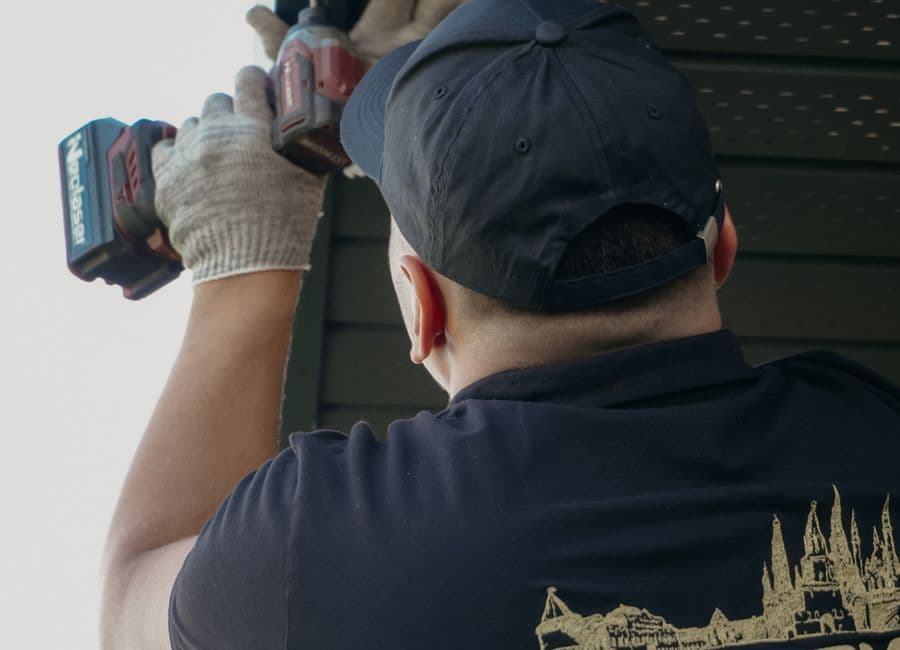
Siding and trim
Runs and corners counted off the walk
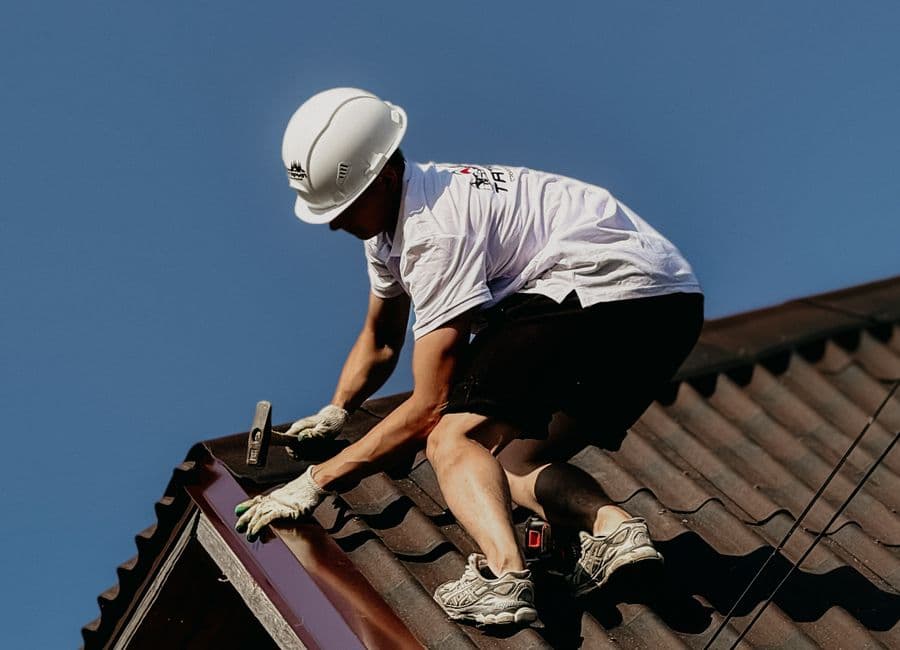
Roofing and coatings
Squares off the plan, slope applied
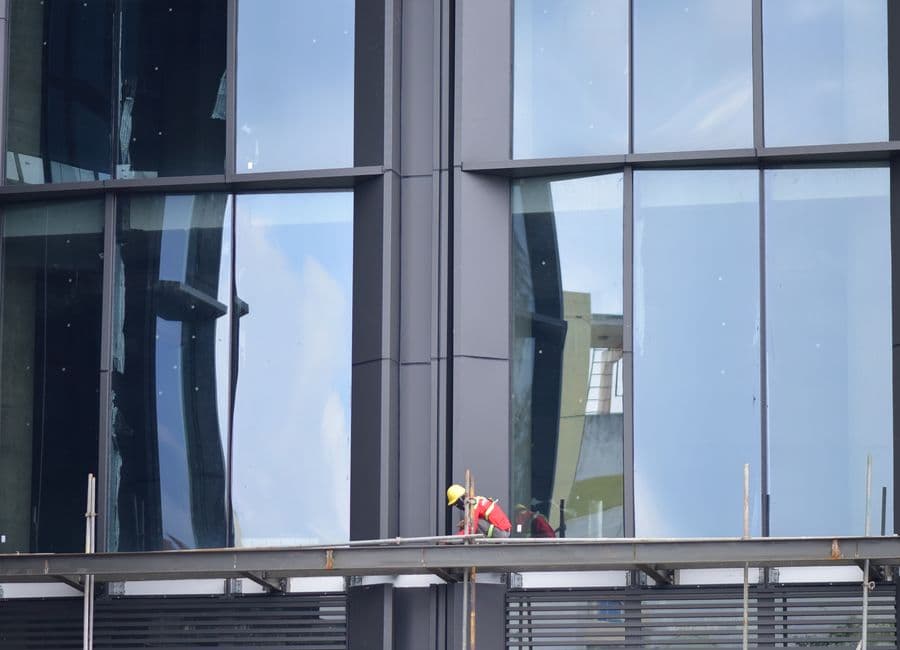
Windows and glazing
Openings scheduled by elevation
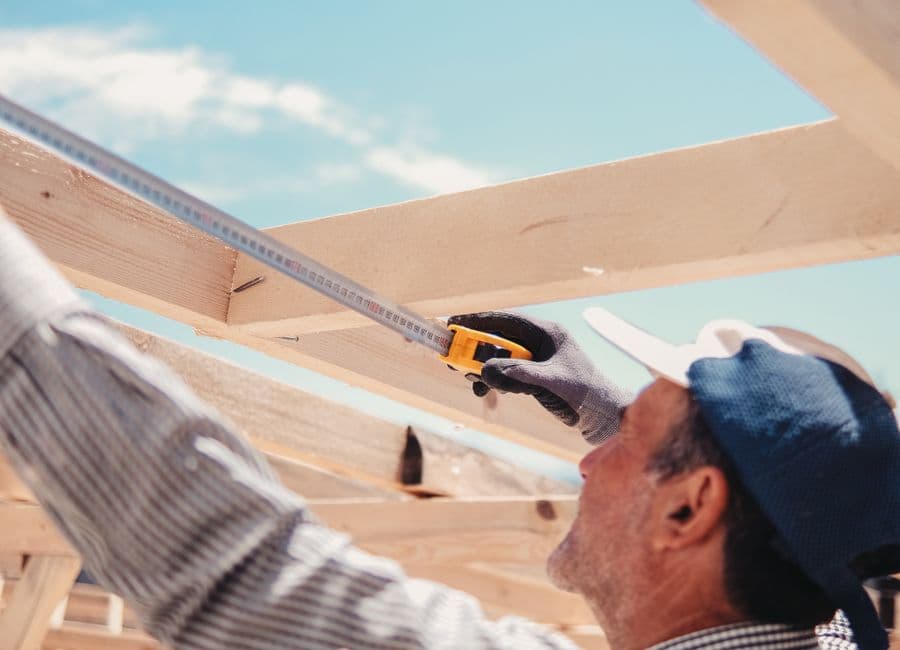
Carpentry and wood repairs
Rot and trim replacement measured
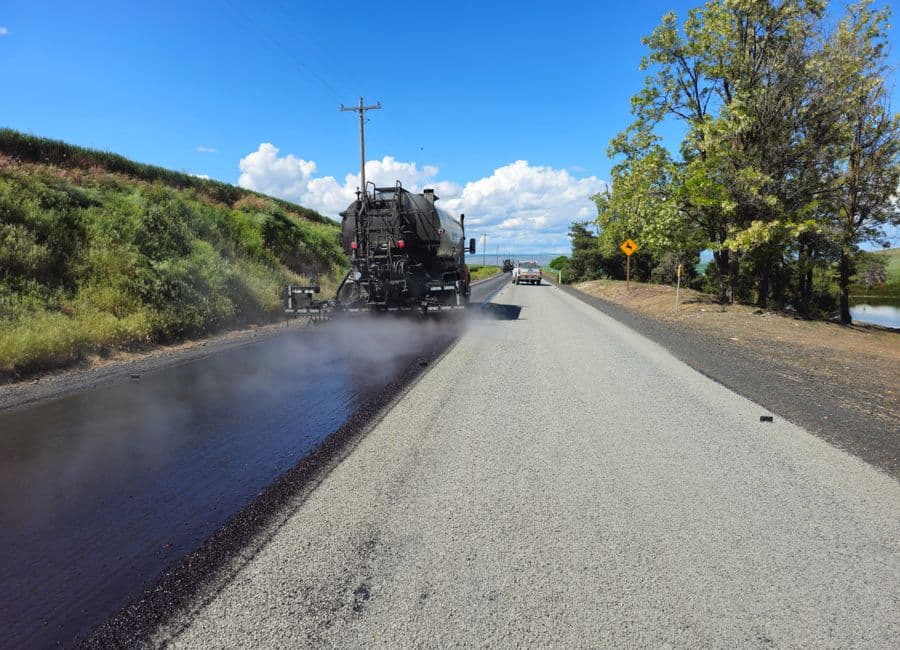
Asphalt and parking lots
Lot area and striping counted












Five scopes. One walk. One number.
Siding and trim
Runs and corners counted
Roofing and coatings
Squares, slope applied
Windows and glazing
Openings scheduled
Carpentry and repairs
Rot and trim measured
Asphalt and lots
Lot area and striping

Plans in. Proposal out. Every handoff traceable.
Four steps, and you can see the state of the estimate at each one. Nothing happens in a place you cannot look at.
Load the property
Whatever you actually have. A partial plan set, a folder of walk photos, the property record, last cycle's scope.
Measure the scope
Wall area by elevation, roof planes by pitch, deck field and linear runs. Each quantity carries a pointer to its source.
Price against your book
Measured quantities meet your rates, coverage, equipment, crews, overhead and margin. Nothing generic substituted in.
Review and release
Flagged items and open questions go to your estimator. They adjust, sign, and the proposal goes out under their name.
Somebody walks the property and comes back with a number.
You are looking at it and you cannot tell whether it is right. Here is the arithmetic behind a repaint figure, on your own building count. If you can check this by hand, you can check what Ruh hands back, because it is the same chain.
- Wall height per building2 storeys x 9 ft = 18 ft
- Gross wall area per building260 ft perimeter x 18 ft = 4,680 sf
- Less 15% openings4,680 sf x 85% = 3,978 sf
- Across the property3,978 sf x 15 buildings = 59,670 sf
- At 2 coats59,670 sf x 2 = 119,340 sf painted
- At 300 sf per gallon119,340 sf / 300 = 397.8 gal
This is one scope on one property, with a perimeter you typed in. Ruh runs the same chain from your walk photos across every building, adds the trim, siding and carport lines, and prices it on your own rates. Every line keeps a pointer to the photo it was read from.
No black-box bids.
The fear on exterior work is not that the estimate is slow. It is standing in front of a board with a number you cannot explain.
Evidence over confidence theatre
A total with nothing behind it is a guess with formatting. Every quantity on a Ruh estimate points at the sheet, photo or property record it was measured from, so review means checking, not re-measuring.
Questions over invented inputs
When the information is not there, Ruh asks. It does not assume a typical value, average across the elevation, or fill the gap so the total looks finished.
Repeatable math
Quantities times your rates, run the same way every time. The same property and the same rate book produce the same number today and next quarter.
Human release control
Your estimator reviews the flagged items and releases the proposal. Nothing reaches a client until the person whose name is on it says so.
Our estimators spent more time retyping quantities than thinking about scope. Ruh reads our drawings like a senior estimator and hands back a priced estimate we want to review, not rebuild.

 ADF Group
Why there is one quote here and not six
The other references on our site are from teams running the invoice, change order and pay application agents. They are real, and they are about different products. Putting them on this page would be borrowed credibility.
This build is newer. Ask for references on the walkthrough and we will tell you honestly where it stands, which is the same way we handle a scope we cannot evidence.
Try Ruh on a real bid. 100% money-back guarantee if you are not satisfied.*
*Scoped delivery, terms apply. Read the guarantee terms
Questions exterior estimators ask.
Does Ruh replace our estimator?+
No. Ruh does the measuring and assembles the priced estimate. Your estimator reviews the flagged items, adjusts what needs adjusting, and releases the proposal under their own name. The judgment stays with your team. The measuring and the re-keying do not.
Can it use our existing price book?+
Yes, that is the point. Ruh prices measured quantities against your own rates, coverage figures, crew production rates, equipment costs, overhead and margin. If your rate book lives in a spreadsheet, that is a normal starting point. Ask the Ruh team about the current options for your setup during onboarding.
What if the project has no complete plan set?+
That is the usual case on existing properties, and it is what this product is built for. Ruh works from the property context you do have: walk photos, elevations, the property record, prior scopes, site conditions. Anything it cannot establish from that comes back as a question against the specific line it affects, not as an assumed number.
Can it handle revisions and addenda?+
Yes. When a sheet or a scope changes, Ruh identifies the quantities the change touches and flags them rather than silently overwriting the estimate. You see what moved, why it moved, and what it did to the price before you accept it.
Do we have to move off the system we already run on?+
No. Ruh is not another system of record and it does not ask you to migrate anything. It sits at the estimating step, takes the property context and your rate book, and hands back a priced estimate you can carry into whatever you already run your jobs and your accounting on. The point is to remove a spreadsheet step, not to add a platform your team has to keep in sync with the one they already have.
Bring your next exterior bid.
A 30 minute walkthrough on a real property. Bring the photos, the partial set and your rate book, and we run the scope live on the call. Your estimator decides whether the number holds.
No card to start100% money-back guarantee*