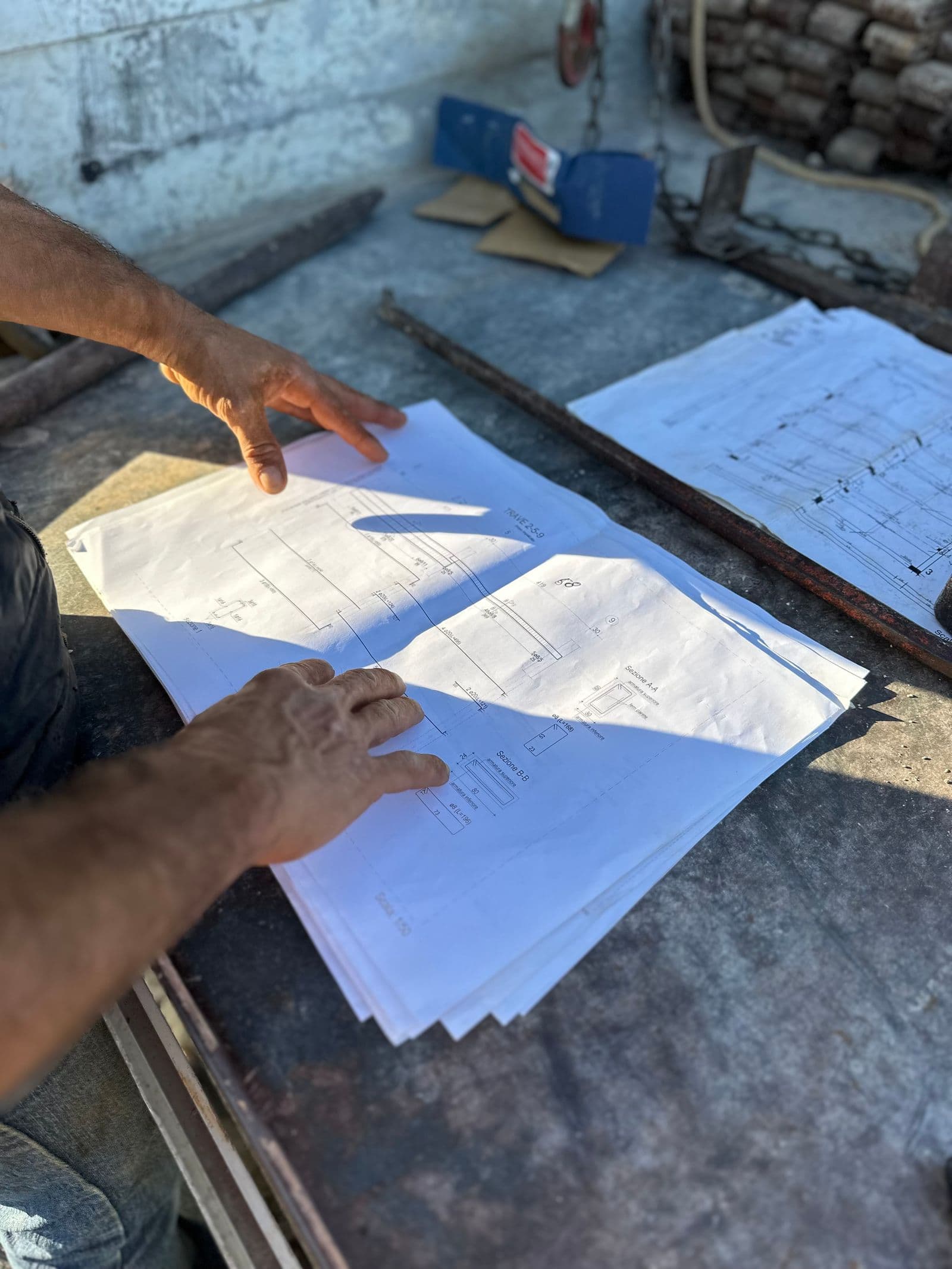
Unit-count work, priced with unit-count discipline.
Ruh AI is built for the shape of multifamily work: repeating units where one wrong coverage rate multiplies across three hundred doors, renovation scopes that vary by facade and age, and estimating that has to stay consistent across estimators and regions. Takeoffs are measured, pricing runs on your own history, and every assumption is labeled before it multiplies.
- ✓Consistency across estimators, regions, and repeat scopes
- ✓Renovation and new-build takeoffs measured, not extrapolated
- ✓Your historical pricing, encoded and applied everywhere
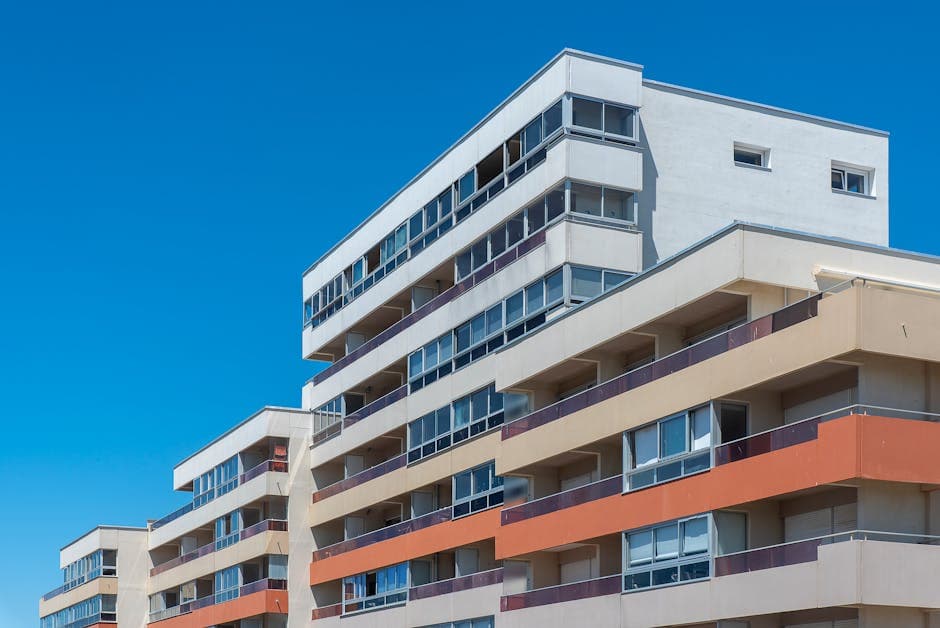
The Multifamily Crew.
Agents for the trades and teams that price by the unit and win by the portfolio.
From Rent Roll to Priced Scope.
Send the Set or the Scope
New-build drawings or a renovation scope across a portfolio. Both are real inputs.
Units Get Measured
Repeating units measured honestly, with variance flagged instead of averaged away.
Pricing Runs on Your History
Your coverage rates, your labor multipliers, your facade judgment, applied consistently.
Your Estimator Signs
One review catches what multiplies. Confidence scores make it fast.
What Multifamily Teams Told Us.
One Bad Rate, Multiplied
A coverage or labor assumption that is slightly off on one unit is a disaster across three hundred. Multifamily punishes silent assumptions harder than any other segment.
Inconsistency Across Regions
A multi-state renovation GC told us their pain plainly: estimates drift between estimators and offices, on paint coverage, facade complexity, labor, and O&P.
The Senior Estimator Ceiling
The judgment that prices facade variance and height multipliers lives in one head, and it does not scale to new offices or new hires.
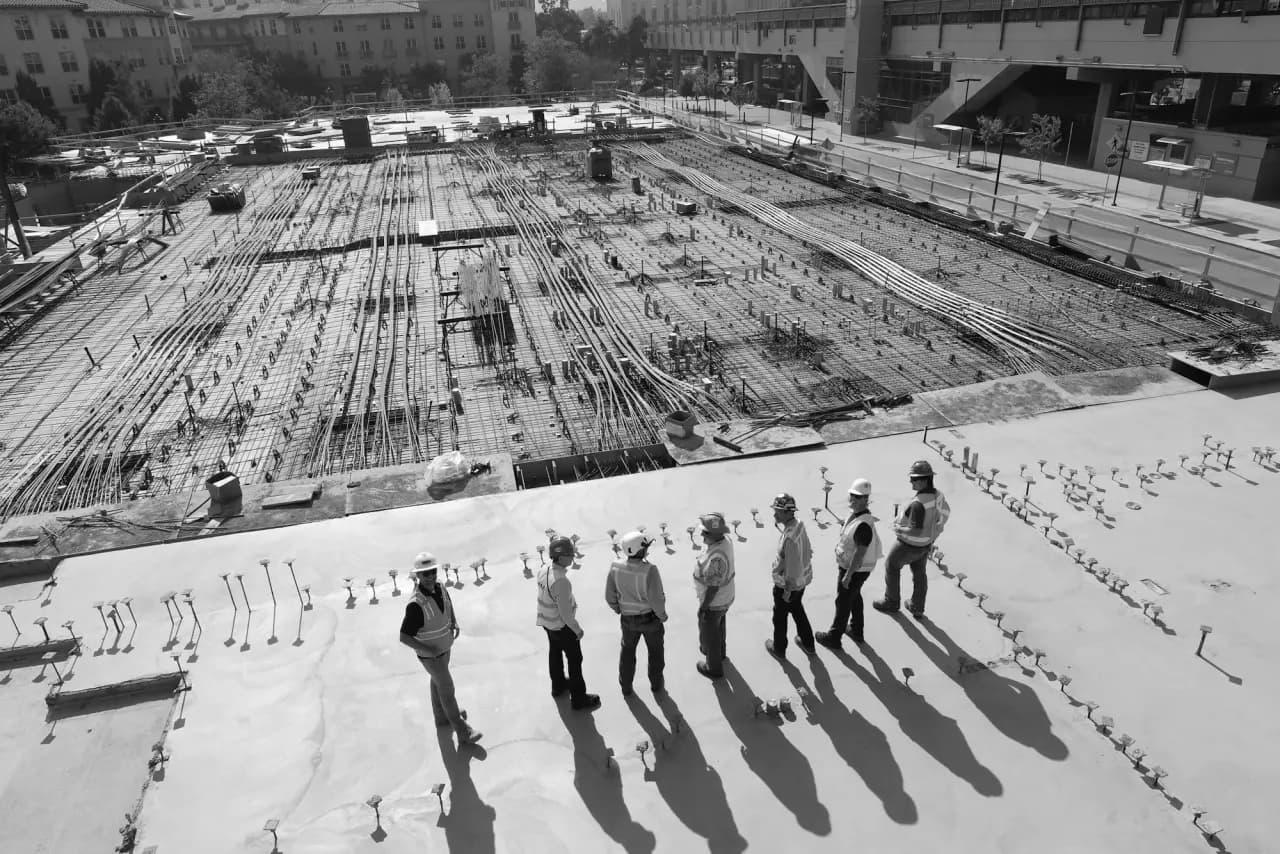
In Their Words.
Taken from working sessions with a 15-state multifamily exterior renovation GC and other builders. Anonymized: roles and company types only.
Automating estimates speeds bids, frees estimators for site visits, and centralizes data for consistency.
The estimating lead is a bottleneck holding deep knowledge: labor multipliers for height and pitch, facade variance, coverage rates. It does not scale to new estimators or new offices.
AI for Multifamily, Explained.
Multifamily Punishes Assumptions
The economics of unit-count work are unforgiving: whatever is wrong in the unit price is wrong hundreds of times. Ruh labels every number measured, derived, or assumed, and flags low-confidence items for a person, so the review catches what would have multiplied. That is the single most valuable discipline AI brings to this segment.
Renovation Is a First-Class Citizen
A large share of multifamily work is not new-build: exteriors, envelopes, unit turns, and repositioning across portfolios. Scope varies by facade, age, and material, which is exactly the judgment that lives in senior heads. Ruh encodes it, from stucco porosity and paint absorption to height and pitch multipliers, and applies it consistently.
Consistency Is the Product
For multi-region operators, the win is not just speed. It is that Dallas and Denver price the same scope the same way, that a new estimator inherits the house standard on day one, and that margin review stops depending on who happened to build the number.
From the Estimate to the Money
Portfolio work generates portfolio paperwork. The same record that priced the scope matches the invoices against commitments and cost codes, so duplicate billings and out-of-contract quantities surface before payment, per project and per region, posting through Sage, Vista, or QuickBooks the way your regions already do.
Proven on This Exact Shape
The client that measured roughly 50 percent faster bid turnaround is ADF Group, a structural steel contractor. Bring one renovation scope or one new-build set to a walkthrough and judge the output against an estimate your team already trusts.
Multifamily, Measured.
Judge It on Your Own Work, Not a Demo.
Built to Work Together.
See It on Your Own Work.
A free 30 minute walkthrough on your real work, no card. You decide if you move forward.
Proof and Perspective.
One Useful Email. No Drip Campaign.
Takeoff teardowns, cost data, and field notes from teams putting AI on real bids. Sent when there is something worth reading, never on a content calendar.
No spam · Unsubscribe anytime
Frequently Asked Questions
What multifamily operators ask before putting a portfolio on Ruh.
Does it handle renovation scopes or only new-build drawings?
Both. New-build sets run the full takeoff pipeline; renovation and exterior scopes run on the real inputs of that work, unit mixes, facade types, and portfolio scope lists, with your historical rates applied.
How does it keep estimates consistent across regions?
What about the assumptions that multiply across units?
How much of our history does it need?
How do we start?
Price the Next Building Like the Tenth.
Bring one multifamily scope or drawing set to a 30 minute call. We run it live and walk the result against your own numbers.