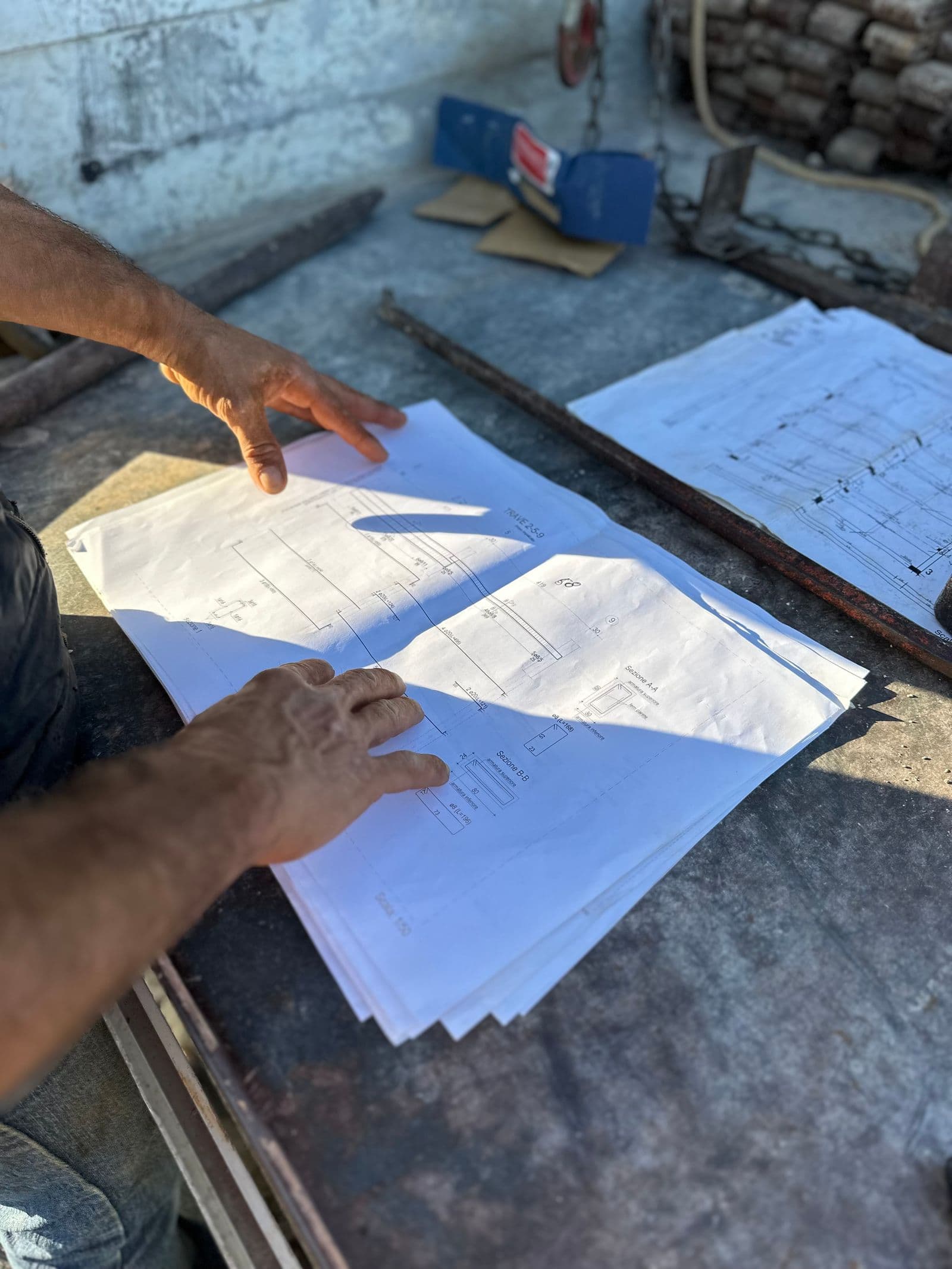
Put a measured number in front of the owner sooner.
Ruh gives construction sales and business development teams a measured takeoff and a priced estimate from the drawings for a job they are chasing, with every quantity tied to the sheet it came from. Your estimator approves the number before it goes out, and the first takeoff is free.
- ✓Quantities measured off the drawings you send
- ✓Sub bids leveled against the same scope
- ✓Your estimator approves the number before it goes out
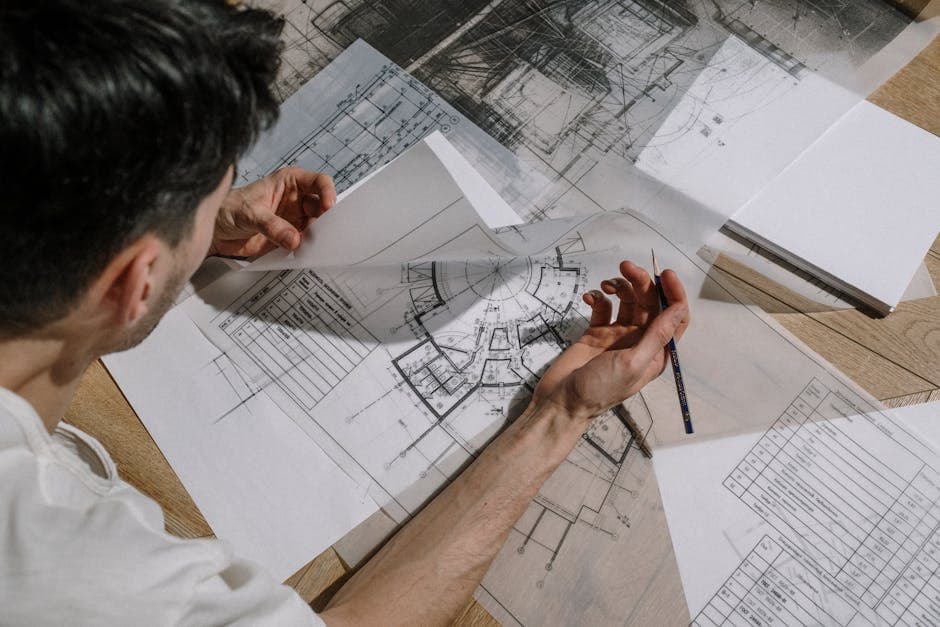
The agents behind the number.
The bid-side agents that turn a drawing set into a number your team can stand behind.
From bid invite to a number you can defend.
Send the drawings
The set from the bid invite or the owner's package, for the job you are chasing.
Ruh measures and prices
Quantities are measured off the sheets and priced on your own rates, each one tied to the sheet it came from.
Your estimator approves
Your estimator checks the lines and signs off. Nothing goes out without that approval.
The number goes out
Your team brings the number back to the owner while the conversation is still warm.
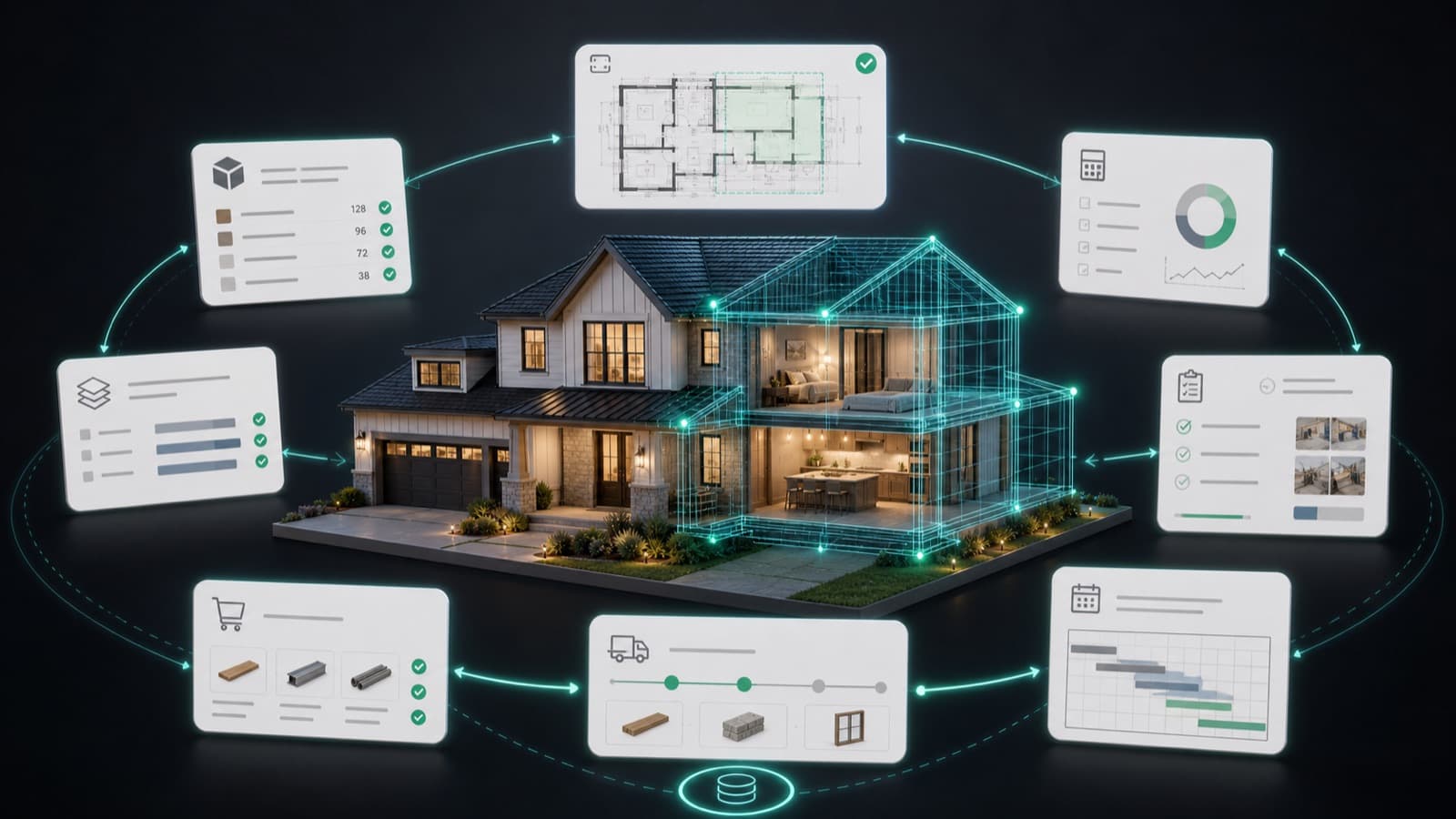
What slows construction sales down.
A slow first number loses the deal
Owners feel where things drag. The longer the first credible price takes, the colder the prospect, and the slower the contract lands.
Estimating hours cap the bid list
Every invite the team passes on is work nobody priced. When a takeoff takes days by hand, business development can only chase what the estimators have hours for.
A number nobody can explain
When an owner asks where a figure came from and nobody can point to the sheet, the conversation turns from scope to trust.
In their words.
Taken from discovery calls and working sessions with owners and business development leads. Anonymized: roles and company types only, lightly cleaned for transcription noise.
If I am thinking about my bottlenecks as a company, this is where things drag and I do not get the contract as fast as I want to.
My process is all about the customer experience. I am trying to eliminate all of those pain points.
I want to make a friend and a relationship. I have done three projects in their house, they move, and I do three more. They just keep coming back.
AI for construction sales, explained.
Speed to the first number
The overlooked sales weapon in construction is speed to the first credible number. Owners told us exactly where deals drag: the four-week measure-design-price cycle between interest and a price. Ruh takes on the measuring: the drawing set goes in, quantities are measured off the sheets and priced on your own rates, and your estimator checks the result instead of building it from scratch.
Checking, not rebuilding
One electrical estimator put it in hours: about 30 to take off a set by hand, against 2 to 3 to check Ruh's takeoff. Ruh has delivered 45 takeoffs to 29 contractors across 15 trades, and each one comes back as a measured draft for your team to check, with every quantity tied to the sheet it came from.
A number you can defend
Every line shows where it came from: measured off a sheet, derived from a measured quantity, or estimated and marked as an estimate. When an owner asks how you got to the number, your team can show the sheet instead of a guess.
Relationship selling, respected
Construction selling is relationship selling. The owners we talk to want repeat clients who come back three projects in a row, not low-bid churn. Ruh does not contact anyone on your behalf. It gives the people who own those relationships a faster, better-supported number to bring to the next conversation.
Measured on real bids.
Judge It on Your Own Work, Not a Demo.
Built to Work Together.
See It on Your Own Work.
A free 30 minute walkthrough on your real work, no card. You decide if you move forward.
Proof and Perspective.
One Useful Email. No Drip Campaign.
Takeoff teardowns, cost data, and field notes from teams putting AI on real bids. Sent when there is something worth reading, never on a content calendar.
No spam · Unsubscribe anytime
Frequently Asked Questions
What sales and business development leads ask before a walkthrough.
Does Ruh find prospects or send outreach?
No. Ruh works on the bid side: it measures the drawings, prices the estimate, and levels sub bids so your team can answer an owner sooner. Finding and contacting prospects stays with your sales team.
What does business development actually get?
How is the number checked?
Does this work for subcontractors and suppliers too?
Do we need to change our CRM?
What does it cost to try?
Bring a job you are chasing.
Send the drawings for one bid. We return a measured takeoff free, and walk your team through it on a 30 minute call.