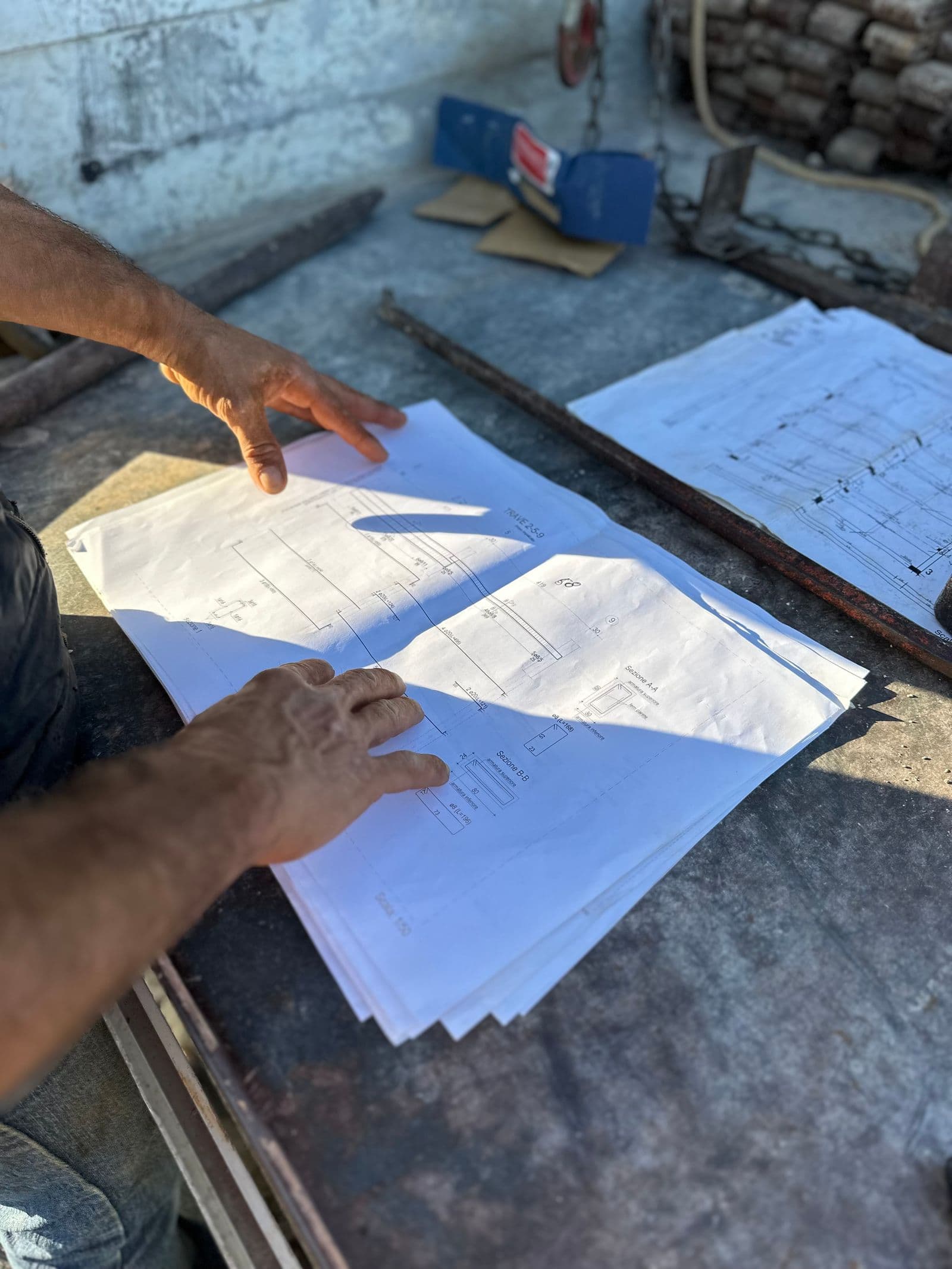
Detailing-grade precision, at quoting speed.
Ruh AI runs takeoffs at the precision industrial work demands: steel and rebar detailing, plants, warehouses, and process facilities, where lump-sum contracts leave no room for approximation. The teams that come to us already tried general chatbots on this work and watched them fail on callouts and spatial references. A purpose-built pipeline is the difference.
- ✓Detailing precision: no approximation, every callout resolved
- ✓Lump-sum risk visible before you commit to the number
- ✓More quotes out with the same estimating team
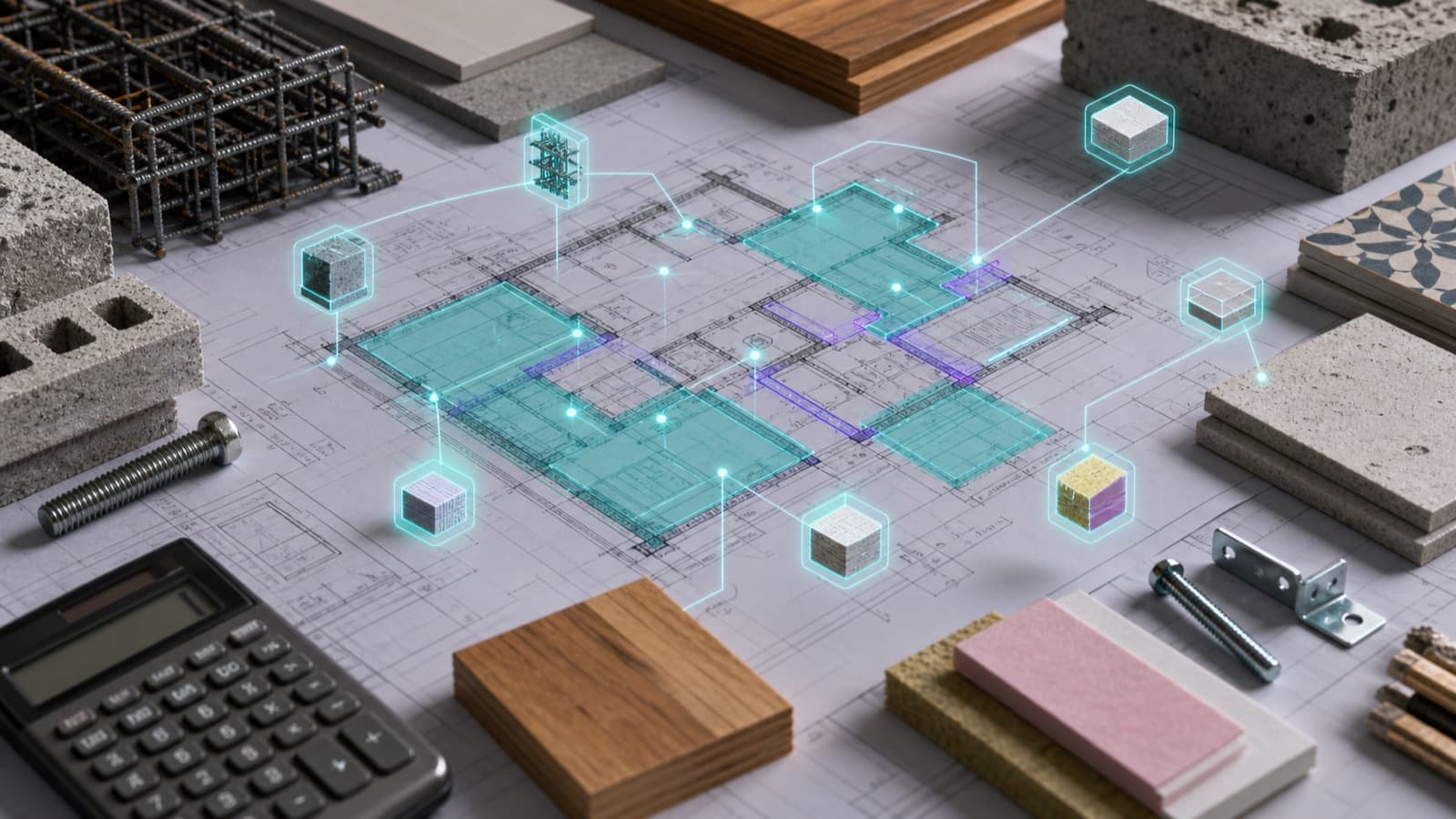
The Industrial Crew.
Built for fabricators, detailers, and industrial contractors who price precision for a living.
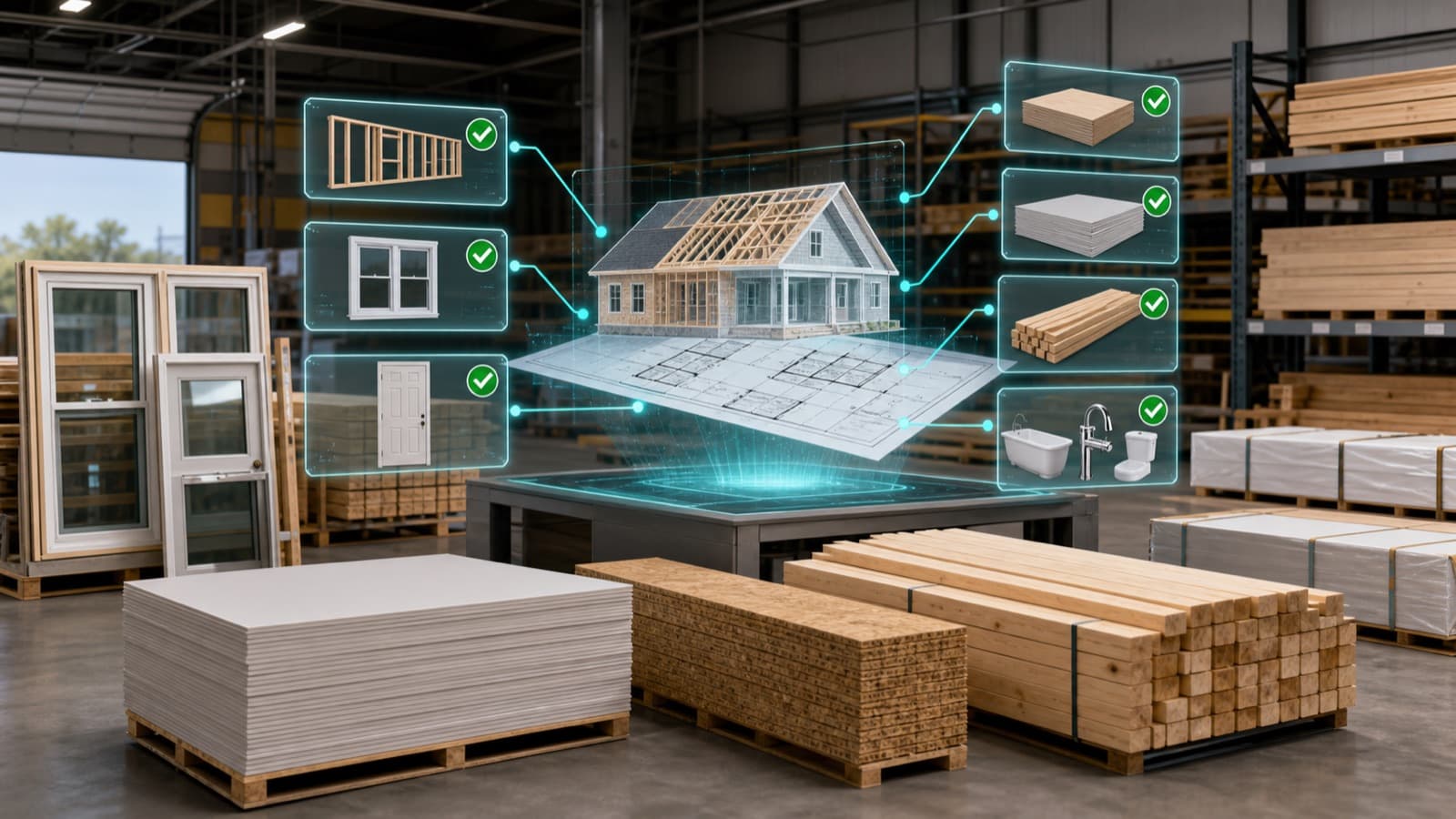
From Drawing Set to a Defensible Lump Sum.
Forward the Set
Structural and trade drawings, straight from the invite. Multi-page sets with shared callouts are the point, not the exception.
The Takeoff Resolves the Set
Sheet classification, scale calibration, and symbol counting with callouts resolved across the whole set.
Pricing Runs on Your Rates
Your material pricing and labor structure, with every assumption labeled and gaps priced as allowances.
Your Estimator Signs
On lump sum, the review is the risk control. Confidence and coverage scores make it fast.
What Industrial Teams Told Us.
DIY AI Failed on the Details
Detailing teams tried ChatGPT and Gemini on rebar takeoffs and it never worked out. Two footings sharing one callout broke the models on real drawings.
Lump Sum Leaves No Room
Industrial contracts are priced to be profitable and as close to reality as possible, in their words. A missed quantity is not a variance, it is margin gone.
Quote Volume Caps Revenue
Fabricators and suppliers quote to win: more quotes means more business, and every quote is overhead until it lands.
In Their Words.
Taken from working sessions with steel and rebar teams and industrial suppliers. Anonymized: roles and company types only, lightly cleaned for transcription noise.
I tried my best in ChatGPT and Gemini. It never worked out. Detailing is detailed work; there is no approximation in it.
You have two footings, and there is one callout, F1. On a small drawing it worked. On the real one, that is where it failed.
It has to be profitable and as close to reality as possible. These are lump-sum projects.
We understand it is not going to replace everything on day one.
AI for Industrial Work, Explained.
Why Generic AI Breaks Here
Industrial drawings are where general chatbots go to die, and the teams in this segment know it firsthand. A model that reads a sheet like a photo cannot hold a spatial reference: shared callouts, scale that applies to one detail, a legend three pages away. Detailing has no approximation in it, and approximation is all a general model can do.
A Pipeline, Not a Prompt
Ruh runs takeoff as a purpose-built sequence: classify the sheets, calibrate the scale, measure and count with callouts resolved against the entire set. Output carries confidence and coverage scores, partial runs finish honestly as partial, and nothing hides inside an average.
Lump-Sum Risk, Made Visible
On hard-money work the question is not whether the number is exact, it is whether you can see where it is soft. Every quantity is labeled measured, derived, or assumed, and scope gaps price as labeled allowances, so the estimator committing the company can see the risk before signing.
Volume Without Headcount
For fabricators and suppliers, quoting capacity is revenue. When the first pass runs at machine speed, the same team quotes more of the invitations that arrive, and niche shops with two-day project cycles keep their cadence without weekend heroics.
No Programmers Required
The people who tried to build this themselves hit walls of raster imaging and code, with IT unable to help. Ruh arrives as a working system configured on your drawings, run by estimators, with output in Excel and your own formats beside the Bluebeam and Procore workflows around you, priced as a flat monthly plan with no per-takeoff token meter.
Precision You Can Audit.
Judge It on Your Own Work, Not a Demo.
Built to Work Together.
See It on Your Own Work.
A free 30 minute walkthrough on your real work, no card. You decide if you move forward.
Proof and Perspective.
One Useful Email. No Drip Campaign.
Takeoff teardowns, cost data, and field notes from teams putting AI on real bids. Sent when there is something worth reading, never on a content calendar.
No spam · Unsubscribe anytime
Frequently Asked Questions
What fabricators and industrial contractors ask before sending a real set.
Which industrial trades does it cover?
Steel and rebar detailing is where it is proven hardest, plus structural scopes, envelopes, mechanical, and the takeoff-heavy trades around plants, warehouses, and process facilities. We confirm your exact scope on the walkthrough.
We already failed with AI on this. Why is this different?
How does it handle lump-sum pricing risk?
What does a heavy set cost to run?
How fast are we live?
Send the Set That Breaks the Demos.
Bring your densest structural drawings to a 30 minute call. We run the takeoff live and walk it line by line against your own numbers.