Generic ChatGPT is genuinely useful on a job site, just not for the things people assume. It is a strong writing assistant when you give it text. It is unreliable the moment a task depends on your drawings, your specs, or numbers that have to be right. Knowing where that line sits saves you from sending a hallucinated quantity to an owner or pasting a confidential bid into a public tool. Below is the honest split between what works, what breaks, and when a contractor should move to AI built for the work.
What does ChatGPT do well for contractors?
The reliable wins are language tasks where you supply the facts and the model shapes them.
- Drafting RFIs from a description you type in, then tightening the wording so it is specific and answerable.
- Turning rough scope notes into a clean subcontract scope or a clarification list.
- Writing and softening emails: chasing a late submittal, pushing back on a directive, documenting a verbal in writing.
- Summarizing a meeting from a transcript or your notes into action items with owners.
- Explaining an unfamiliar spec section or code reference in plain language so you know what to verify.
In every one of these, you are the source of truth. ChatGPT is rephrasing, structuring, or speeding up the typing. That is a fair use of it, and it is faster than a blank page.
Where does ChatGPT break on real project work?
It breaks wherever the task quietly requires access to your actual documents or a number that must be defensible.
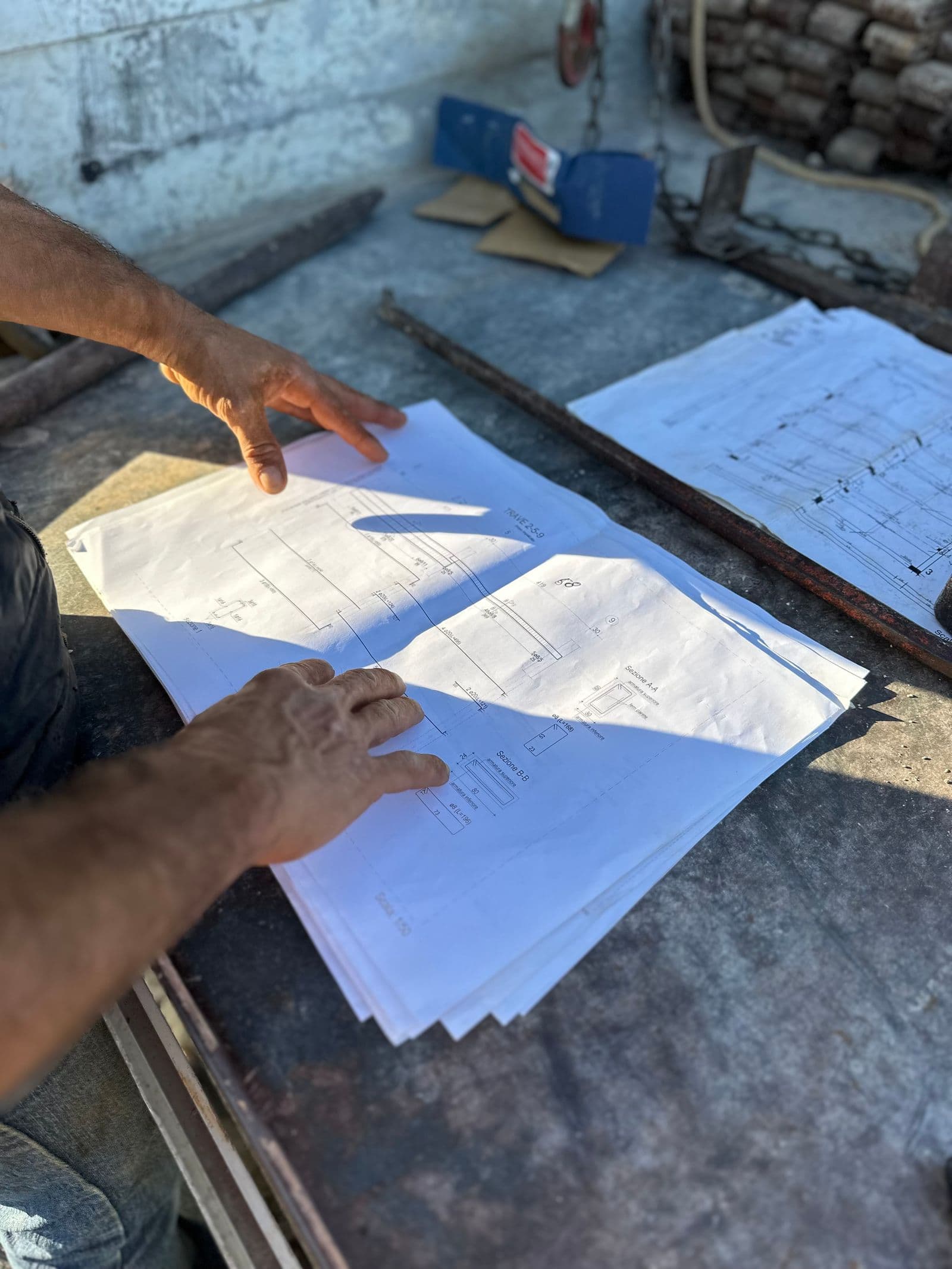
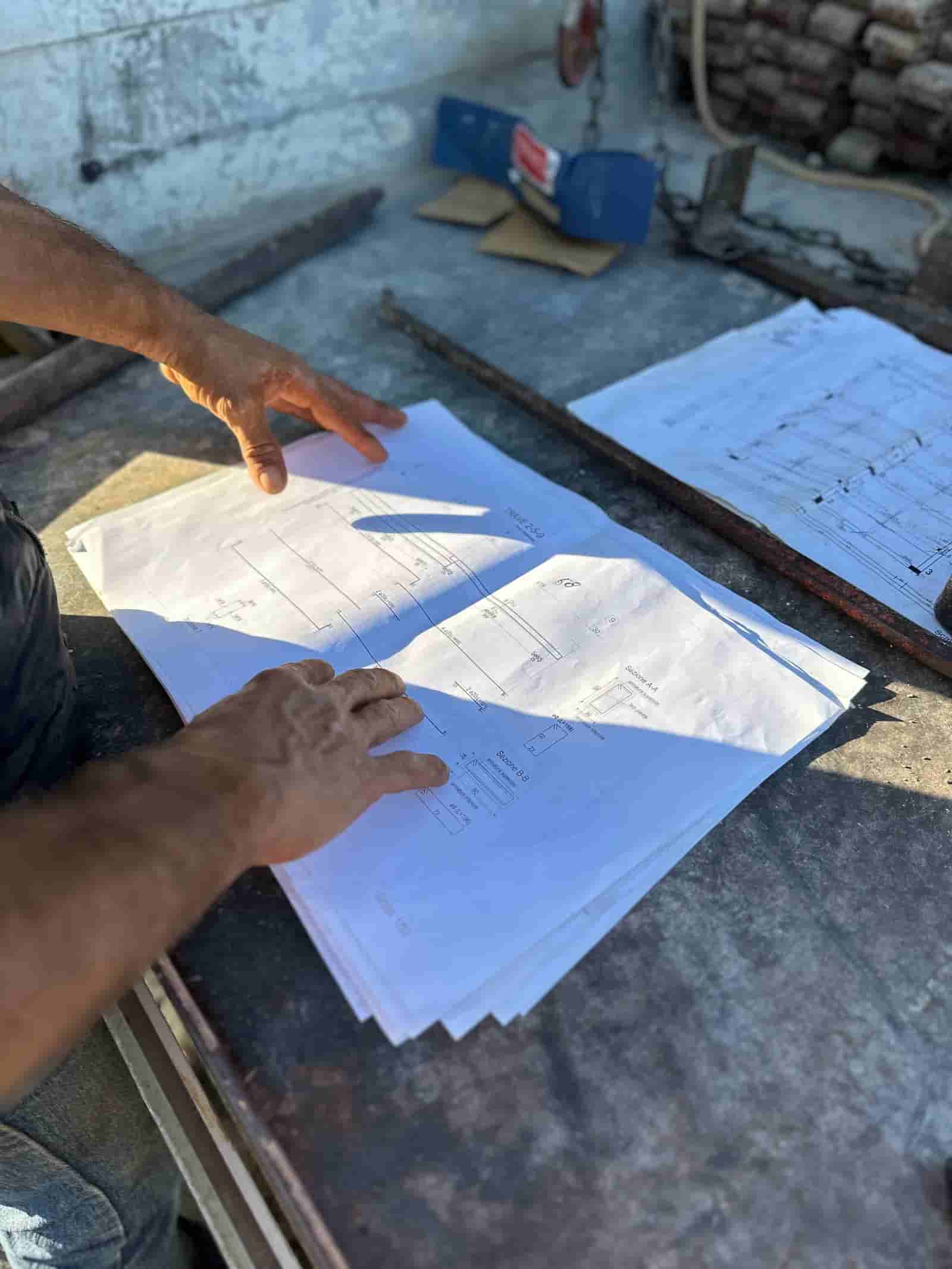
Scanned and image-based drawings. A large share of construction documents are scanned PDFs, photographed sheets, or flattened plan images. Generic ChatGPT can describe what a clean sheet looks like, but it cannot reliably read a marked-up scan, follow a detail callout across sheets, or trace a dimension string. It will guess at what it cannot see.
No access to your specs, contract, or submittals. ChatGPT does not know your Division 09 finish schedule, your contract's notice provisions, or which submittal revision is current. Ask it about "the spec" and it answers from generic industry patterns, not your project. That is the difference between sounding right and being right.
Hallucinated quantities and clauses. This is the dangerous one. Ask for a takeoff, a unit count, or a contract citation and it will return a confident, specific, wrong answer when it does not actually have the data. There is no flag that says "I am guessing." For estimating and quantities, you want a system that ties every number back to a marked sheet you can open, which is the model behind purpose-built AI construction takeoff and estimating software.
Data privacy. Pasting drawings, bid numbers, or contract language into a consumer chat tool means that content leaves your control. For competitive bids and owner-confidential documents, that alone is a reason to keep this work inside a system you govern.
A worked example: drafting an RFI the safe way
Here is the same task done two ways so the boundary is concrete.
Task: A foreman finds a conflict between the structural sheet and the mechanical sheet at a beam penetration.
Step by step with generic ChatGPT:
- What goes in: You type a plain description of the conflict, the two sheet numbers, and the affected gridline.
- What the AI does: It drafts a clean, properly formatted RFI with a clear question, the impact, and a proposed resolution for the engineer to confirm.
- What the human checks: You verify the sheet numbers, the gridline, and the dimensions against the actual drawings yourself, because ChatGPT never saw them. You confirm the proposed resolution is reasonable. You add the cost and schedule note.
- Where it would break: If you had asked ChatGPT to "find conflicts in these drawings," it cannot, because it cannot read your sheets. The drafting is the safe part. The reading is not.
The lesson holds across tasks. Use generic AI to write from facts you confirmed. Do not use it to source facts from documents it cannot open.
ChatGPT for construction estimating: where it fits
Teams searching for chat GPT for construction estimating usually want two different things at once. The writing half works: turning rough scope notes into a clean subcontract scope, drafting the bid email, documenting the clarifications. The numbers half breaks: ChatGPT cannot read your drawings, so any quantity it returns is a guess dressed up as an answer, with no flag that says so.
The practical split is to let generic AI carry the estimating paperwork where you already hold the facts, and put the takeoff and the pricing on a system grounded in your documents — that is the cost estimating from drawings workflow, where every quantity ties back to a marked sheet an estimator can open and verify.
What does purpose-built construction AI do differently?
The core difference is grounding. A construction-specific system works from your documents instead of from general training data.
- It reads your actual sheets, including scans, using document processing tuned for plans, schedules, and specs rather than expecting clean typed text.
- It runs on your project record: drawings, specs, submittals, contracts, and correspondence, so an answer reflects this job, not a generic pattern.
- It cites its source. A quantity or a clause comes back with the sheet or page it came from, so you can verify in seconds instead of trusting blind.
- It runs in your tenant. With Ruh, the AI reads your documents inside your own environment, does the work, and routes it to your team. Your bid numbers and contracts do not get pasted into a public tool.
This is the practical answer to hallucinated quantities and privacy at once. When every output traces to a document you control, "is this right?" becomes a check you can actually perform.
How should you decide which tool for which task?
A simple test: does the task require reading your project documents, or producing a number or clause that has to be defensible?
- No to both: generic ChatGPT is fine. Email polish, a meeting recap from your notes, plain-language explanation of a code section, a first-draft scope from your bullets.
- Yes to either: use purpose-built construction AI. Takeoffs and quantities, reading scanned drawings, anything quoting your spec or contract, anything competitive or confidential.
You do not have to pick one tool for everything. Many teams keep ChatGPT for writing and bring in a grounded system for document-heavy work like estimating, submittal logs, and change order review.
Does the human still own the decision?
Yes, on both paths, and that should not change. AI assists. The estimator, the PM, and the principal keep judgment and sign-off. The right setup makes that review fast and honest: the AI does the first pass and shows its work, a human checks against the cited source, and a person approves before anything goes to an owner, an architect, or a sub. A tool that hides its sources makes that review impossible. A tool that grounds and cites makes it routine.
The takeaway is not "avoid ChatGPT." It is to match the tool to the task. Let generic AI carry the writing where you already hold the facts. For the work that touches your drawings, your specs, and your money, use construction AI that runs on your documents in your tenant, cites what it found, and hands the call back to your team. That keeps the speed without betting a bid or a claim on a confident guess.
Why teams trust Ruh with this
The two reasons construction teams hesitate on AI are accuracy and data security. Ruh runs in your own tenant on your documents, every output is traceable and reviewed by your team before it is used, and the work is backed by a money-back guarantee. The AI does the heavy lifting, your people keep the judgment and the sign-off.
Try Ruh on a real bid. 100% money-back guarantee if you are not satisfied.*
*Scoped delivery, terms apply. Read the guarantee terms
Ready to go deeper? AI construction takeoff and estimating software.
Frequently asked questions
Can ChatGPT read construction plans?+
Not reliably. A large share of construction documents are scanned PDFs or flattened plan images, and generic ChatGPT cannot dependably read a marked-up scan, follow a detail callout across sheets, or trace a dimension string — it will guess at what it cannot see. Construction AI built for plan reading works from your actual sheets and cites the sheet each answer came from.
Can ChatGPT do construction takeoffs?+
No. Ask ChatGPT for a takeoff or a unit count and it returns a confident, specific, wrong answer when it does not have the data, and nothing in the reply tells you it guessed. A defensible takeoff needs a system that reads the real drawings and ties every quantity to a marked sheet you can open — which is why teams route that work to grounded construction AI and keep the estimator on sign-off.
Is ChatGPT accurate enough to do a construction takeoff or estimate?+
No. Generic ChatGPT cannot reliably read scanned or image-based drawings and will return confident but invented quantities when it lacks the data, with no flag that it is guessing. For takeoffs and estimates you want a purpose-built system that reads your actual sheets and ties every quantity back to a marked drawing you can open and verify.
Is it safe to paste our drawings, bids, or contracts into ChatGPT?+
For competitive or owner-confidential material, treat consumer chat tools as outside your control, since content you paste leaves your environment. Keep that work in a system you govern. Ruh reads your documents inside your own tenant, so bid numbers and contract language are not pasted into a public tool.
Do we have to replace ChatGPT to use a construction AI?+
No. Many teams keep ChatGPT for writing tasks where they already hold the facts (emails, recaps, first-draft scopes) and add a grounded construction system for document-heavy work like estimating, submittal logs, and change order review. Match the tool to the task rather than forcing one tool to do everything.
What stays a human decision?+
Judgment and sign-off. AI drafts the RFI, reads the sheet, or produces the first-pass quantity, but the estimator, PM, or principal verifies against the cited source and approves before anything goes to an owner, architect, or subcontractor. A tool that shows its sources is what makes that review fast and honest.
How is purpose-built construction AI different from ChatGPT?+
The difference is grounding. ChatGPT answers from general training data, while a construction-specific system runs on your actual project record (drawings, specs, submittals, contracts), reads scans, and cites the sheet or page each answer came from so you can verify it in seconds.
Reading about it is slower than watching it. 30 minutes, your data, your team in the room.
Book a demoFigures on this page are illustrative. Construction estimates depend on project-specific conditions, source documents, market pricing, and professional judgment. Ruh's AI assists the estimator and does not replace professional review: your team reviews, validates, and approves every estimate, bid, and pricing decision.