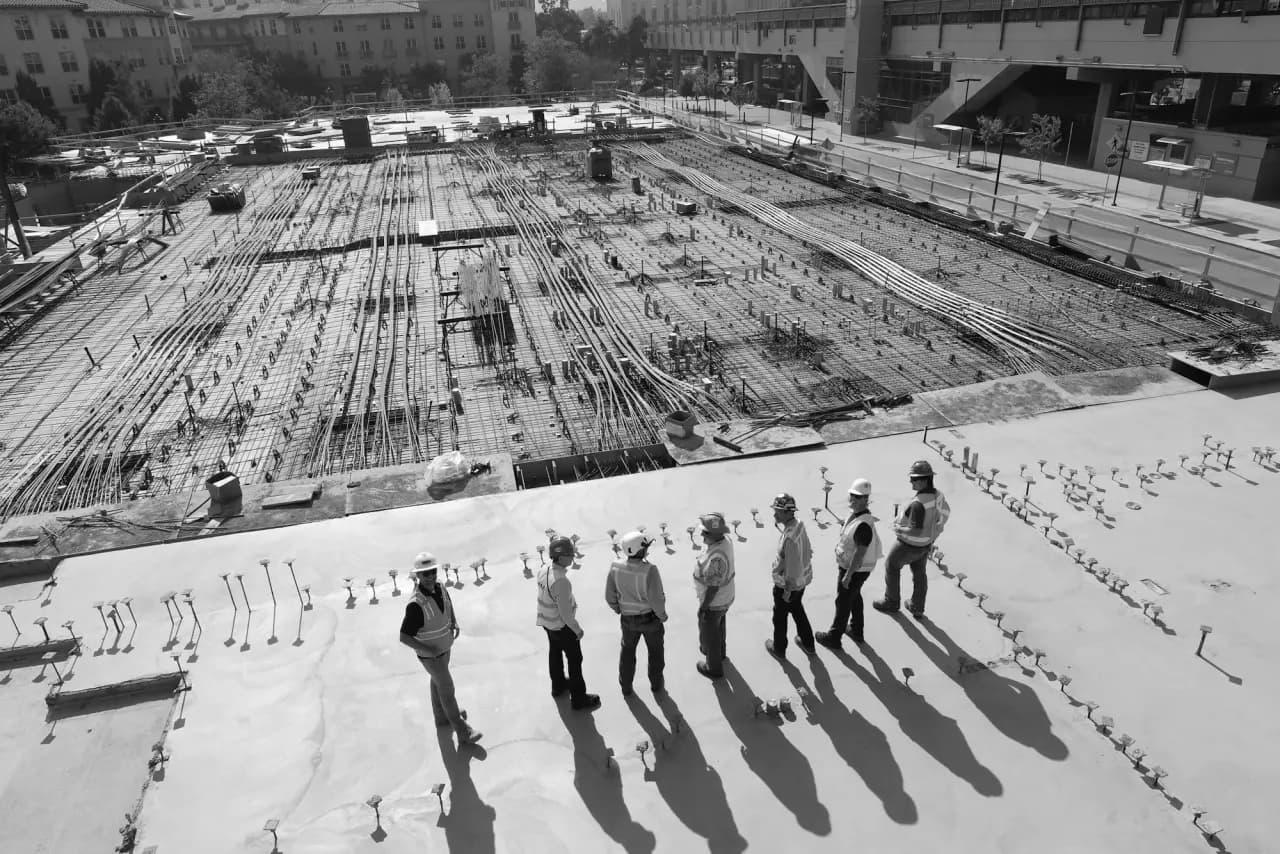
Construction, automated. Everything but the labour.
Ruh AI automates the automatable side of construction: the measuring, pricing, matching, drafting, searching, and publishing that eats office hours between design and closeout. Each step of the lifecycle gets a working product, all on one project graph in your tenant, and your team signs every line.
- ✓A product for every step: design, bid, build, money, marketing
- ✓One project graph, no re-keyed handoffs between departments
- ✓Labour and judgment stay human
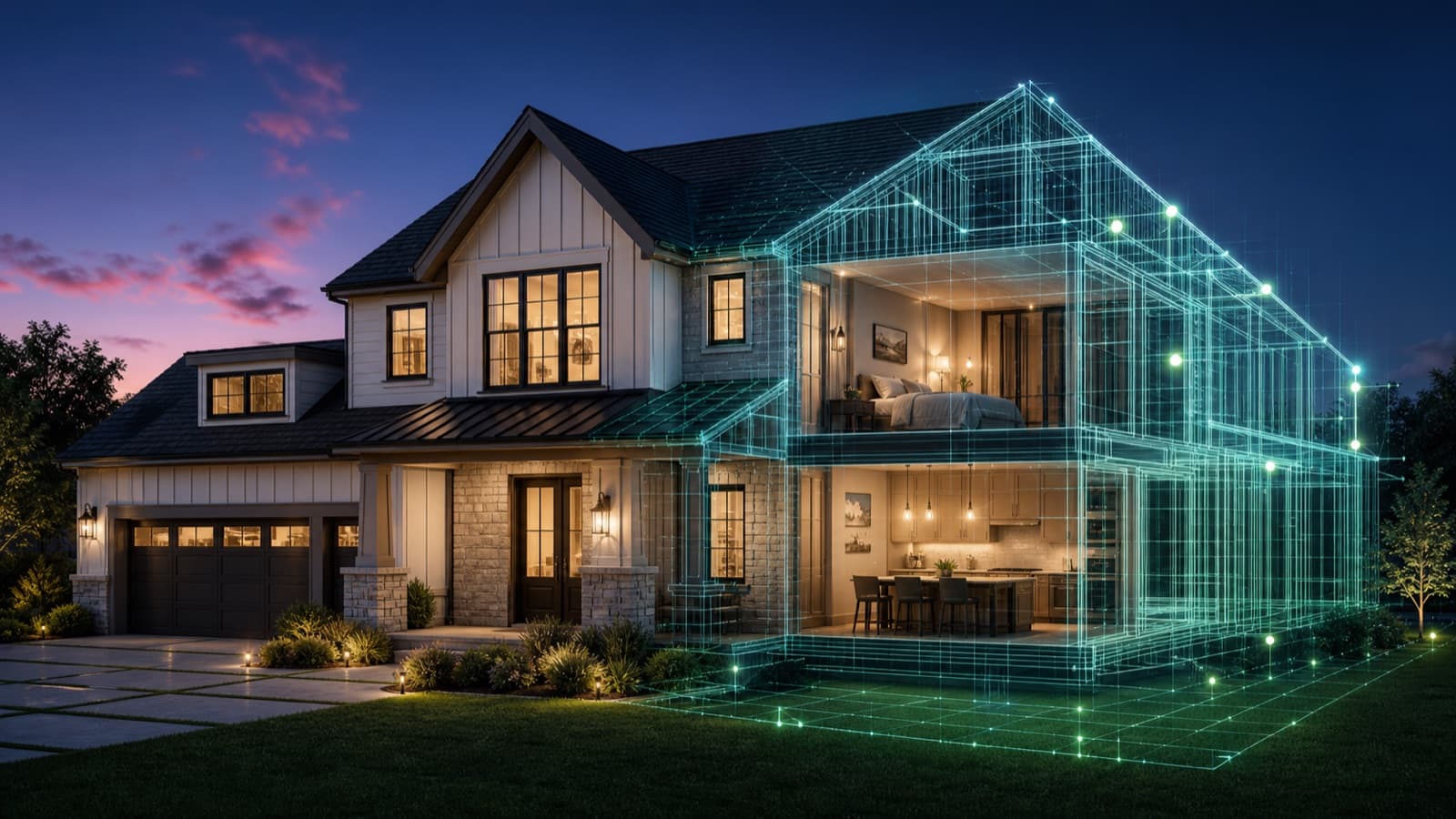
What Is Construction Automation?
Construction automation is the use of AI agents to run the office side of building: takeoffs, estimates, invoices, project search, sales, and marketing, connected on one project record. The field work stays human. With Ruh, every output is signed by a person.
No Guesses. Just Measured Outcomes.
What Gets Automated, and What Does Not?
An honest split. Construction automation works because it takes the office hours, not the trade skills.
- ✓
The Measuring
Takeoffs, estimates, and sub bid leveling with sources attached
- ✓
The Paperwork
Invoices, submittals, RFIs, and search across every tool
- ✓
The Publishing
Outreach, case studies, and pages produced from real projects
- •
The Labour
Field crews, trades, and the physical build stay human
- •
The Relationships
Clients, subs, and owners are yours, agents just prepare the work
- •
The Judgment
Every line is signed by a person. Agents draft, humans decide
The Lifecycle, Automated Step by Step.
Six steps, six working products. Each one stands alone, and they compound on one project graph.
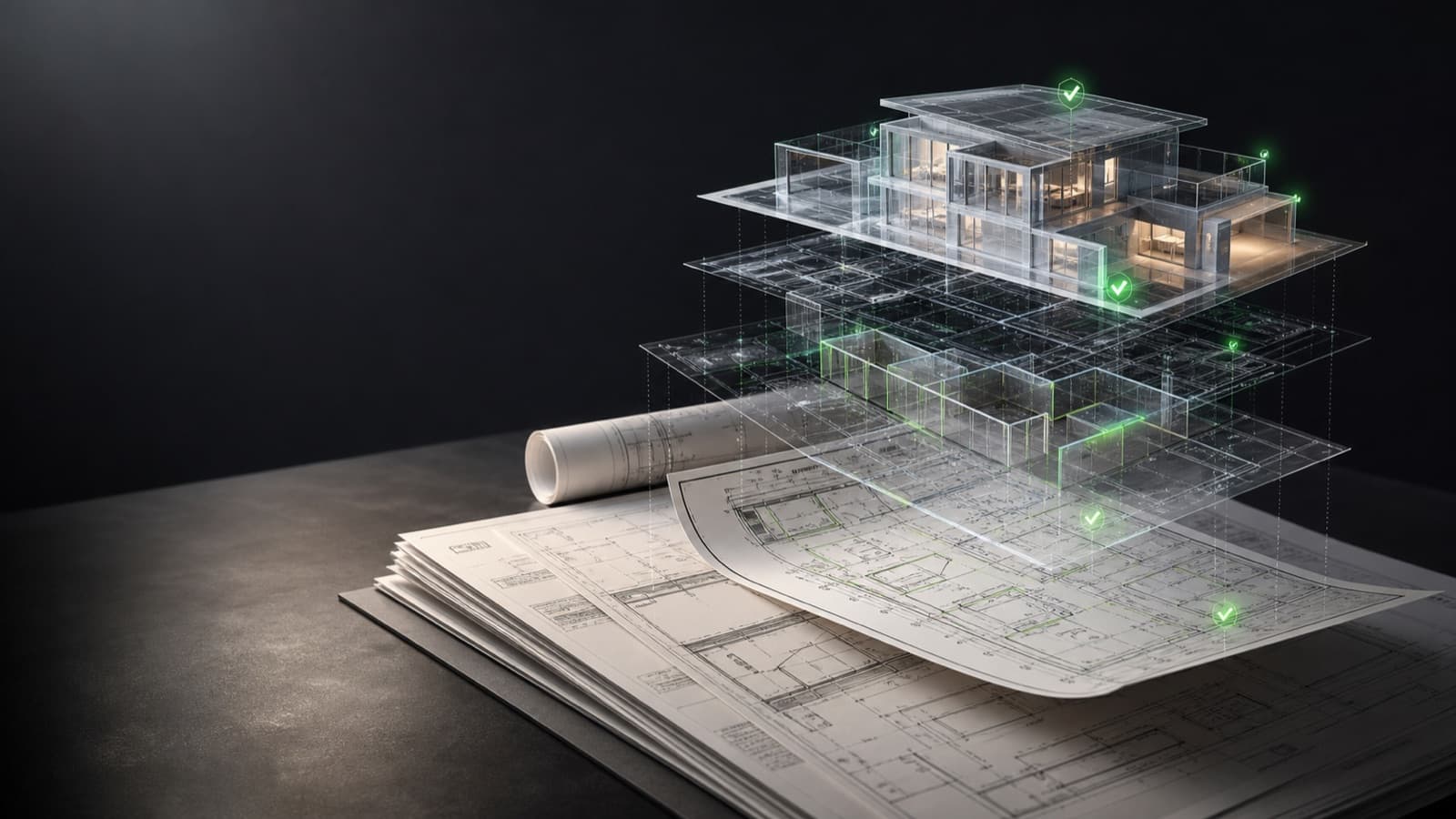
Design Automation: From Feasibility to a Buildable Drawing Set
Construction automation starts before ground breaks. Ruh Design, now in preview, runs feasibility on the site, generates site schemes on the real plot, and produces the drawing set that construction is contractually built against. The design carries straight into the bid on the same project graph, so nothing is redrawn or re-keyed.
- ✓Feasibility answered with data before land and design money is spent
- ✓Generative site schemes iterated in hours, not weeks
- ✓Drawing sets generated as the buildable spec
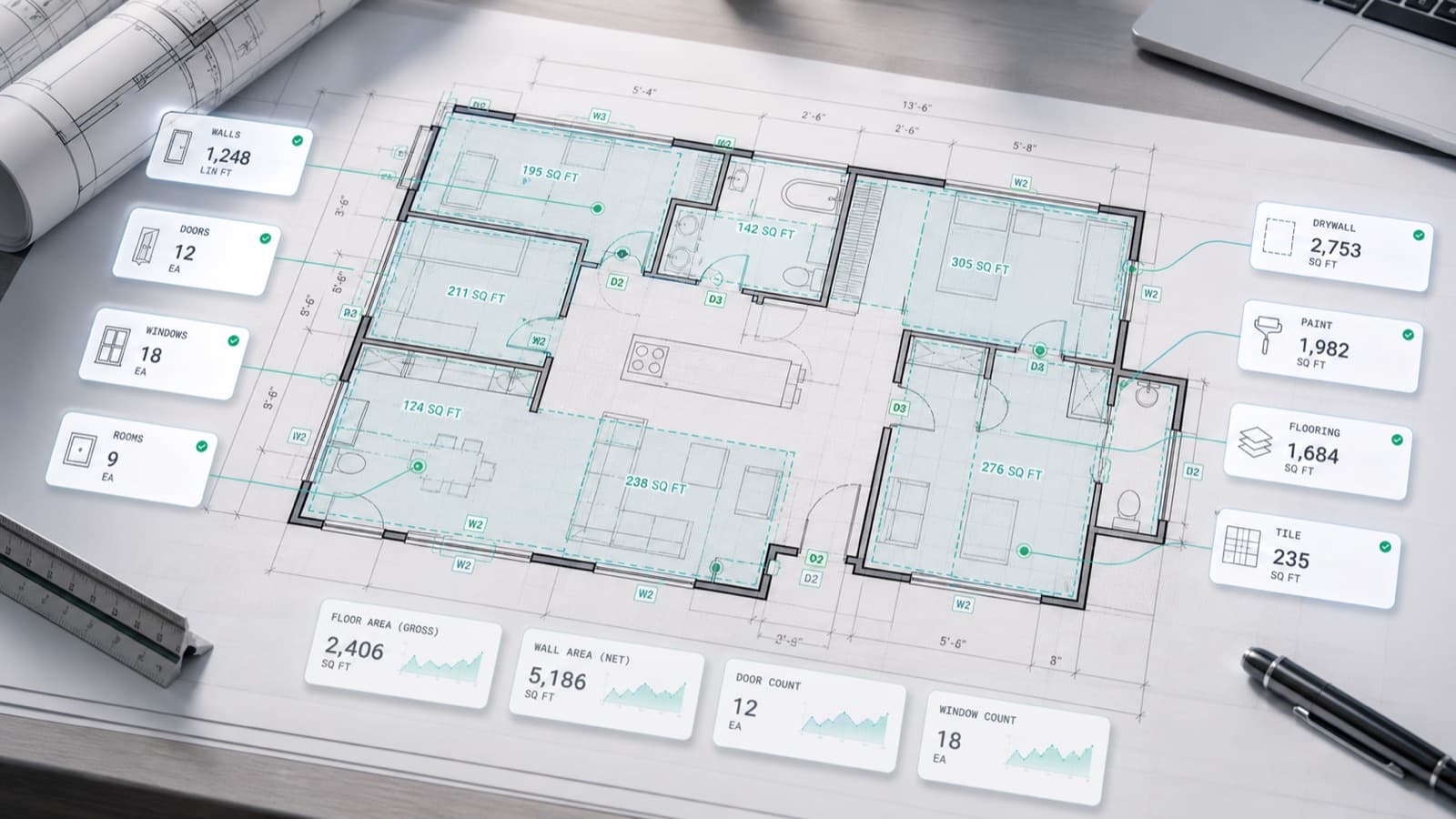
Takeoff and Estimating Automation: Quantities Measured, Not Guessed
The bid is where construction automation pays for itself first. AI Takeoff reads the drawing PDFs and CAD files the way an estimator does, measures rooms, counts fixtures, and calibrates scale. AI Estimating then runs nine stages from scope to a priced proposal that fills your own workbook. Every number is labeled measured, derived, or assumed, and your estimator signs every line.
- ✓Quantities with per-item confidence and page coverage scores
- ✓Sub bids leveled, gaps priced as labeled allowances
- ✓Exports fill your templates, not ours
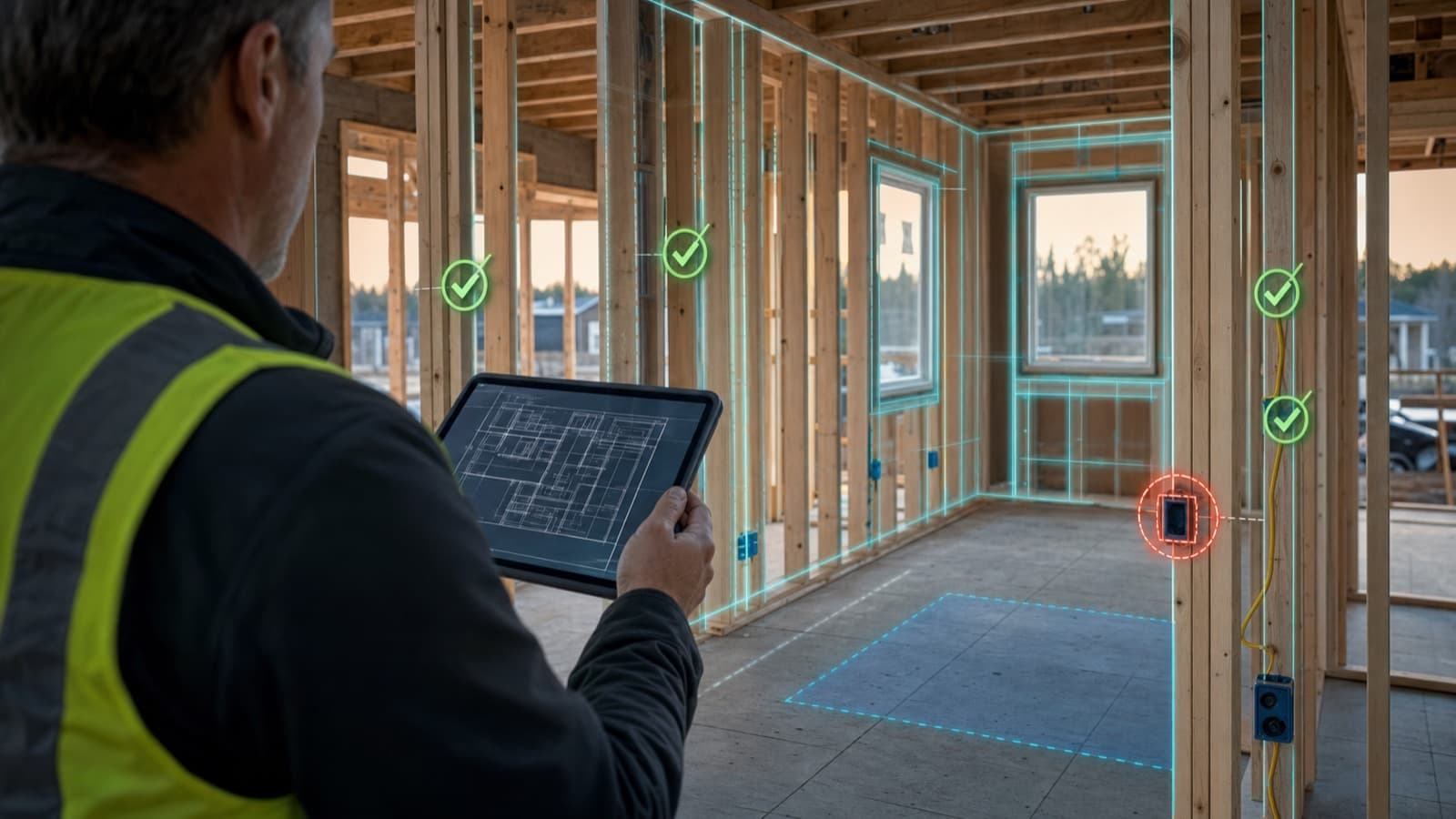
Build-Phase Automation: Submittals, RFIs, and Field Checks on One Record
Ruh Builders, in preview, carries the winning estimate into the build. Submittals, RFIs, and change orders move as threads on the project graph with an agent drafting the paperwork, and field reports flow in from a phone. What the office decided and what the field built stay reconciled.
- ✓Submittals and RFIs drafted, tracked, and carried on the record
- ✓Daily logs and punch from the field, without re-keying
- ✓Change orders connected to the drawings they came from
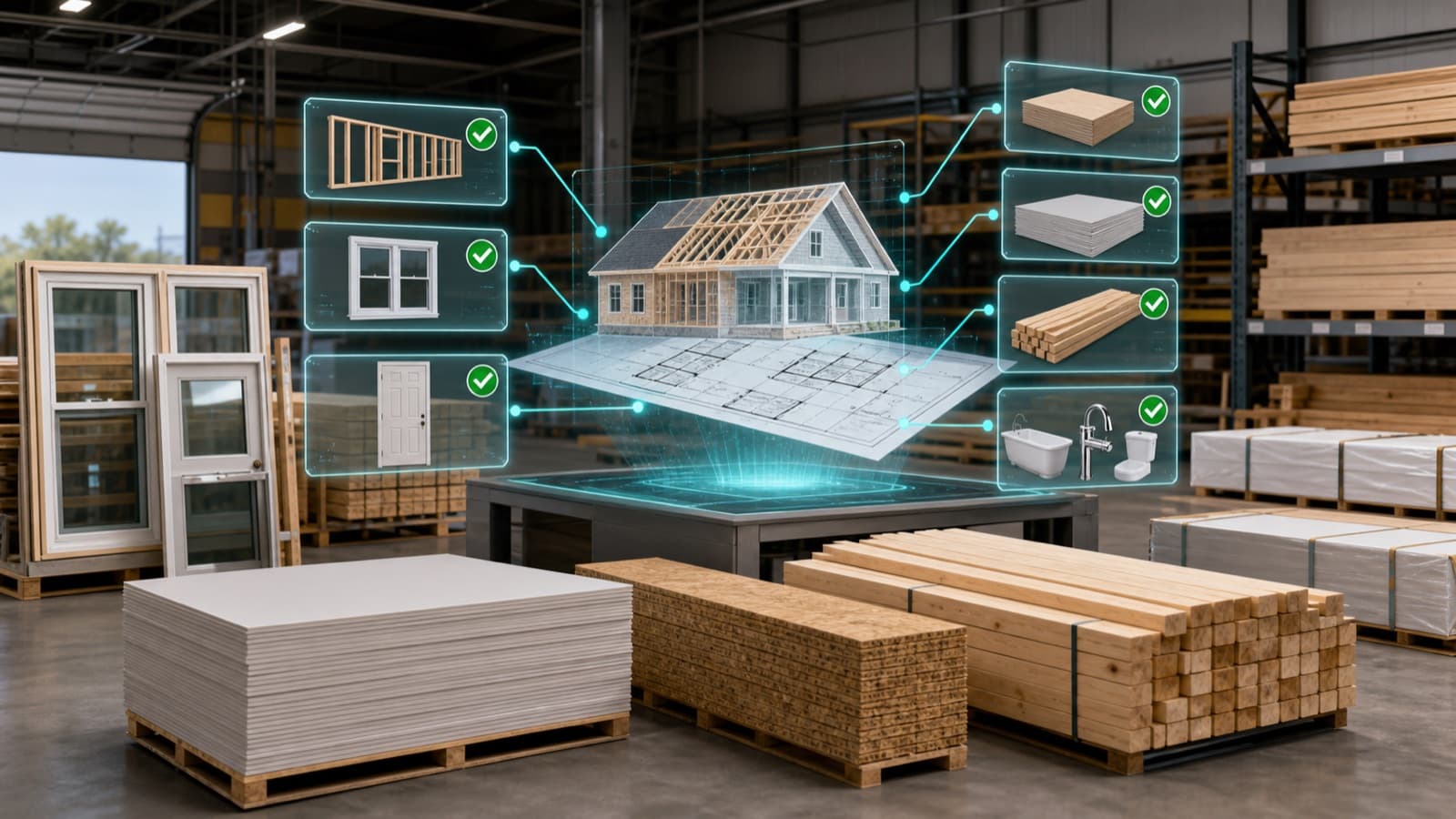
AP and Money Automation: Nothing Gets Paid Twice
Invoice Intelligence reads sub and supplier invoices automatically, matches every line to commitments and cost codes, and flags anything that does not reconcile before it reaches payment. Finance sees a clean queue and a short list of real exceptions instead of a stack of PDFs.
- ✓Invoices matched to commitments and cost codes line by line
- ✓Duplicates and mismatches flagged before money moves
- ✓Every action logged for audit inside your tenant

Marketing Automation: Finished Projects That Do the Selling
Marketing for Construction turns real project photos and outcomes into case studies, social posts, newsletters, and pages that rank. Practitioner voice, construction only, published on a schedule that never slips, and every page ships with the structure search and answer engines reward.
- ✓Case studies produced from your real projects
- ✓A publishing calendar that holds through busy season
- ✓Pages structured to rank and to be cited by AI search
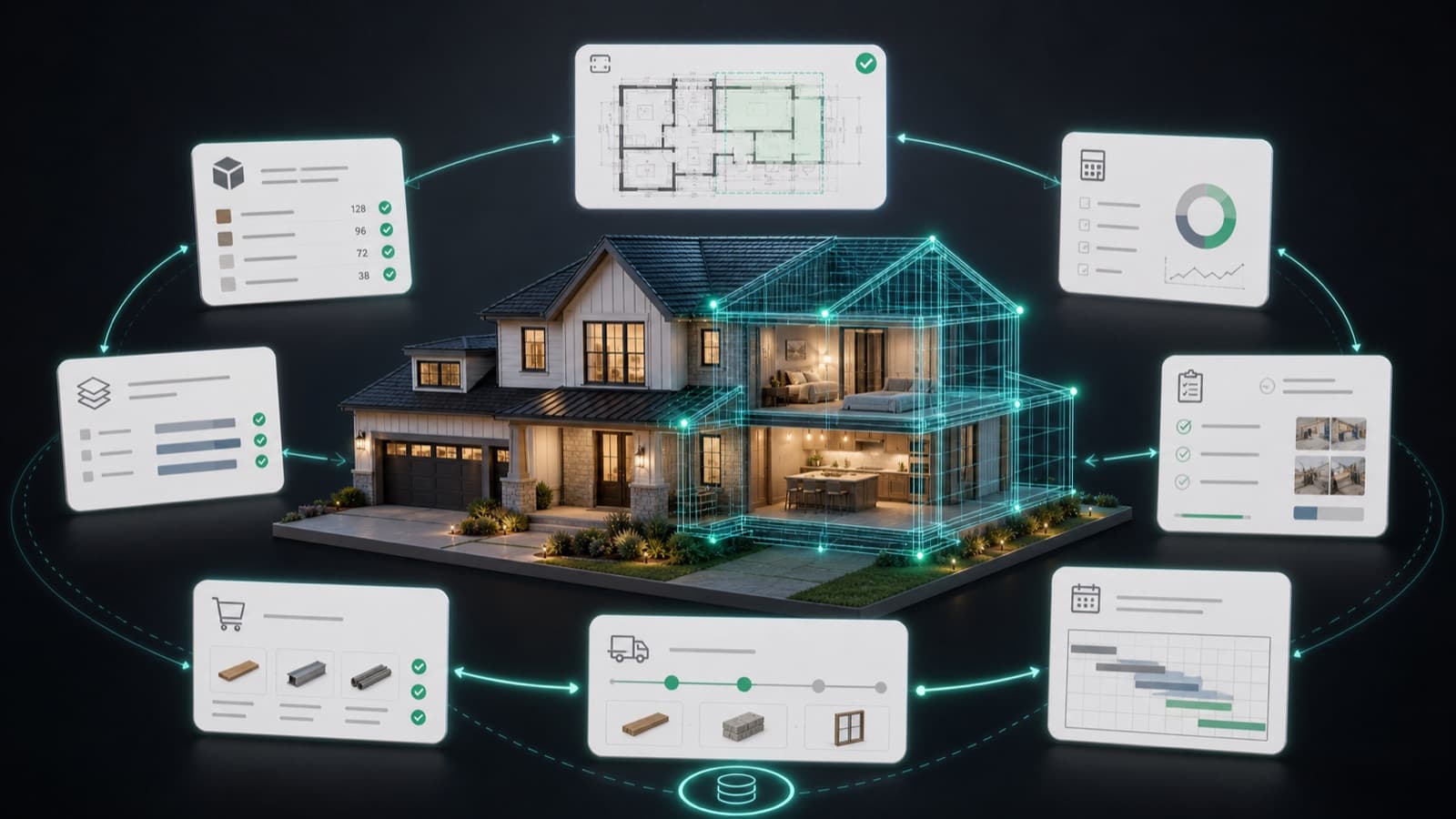
Why Automation Needs One Project Graph.
Point tools automate one task and hand you another export. Ruh carries the project as a single signed record: the drawing set feeds the takeoff, the takeoff feeds the estimate, the estimate becomes the budget, invoices reconcile against it, and the finished project becomes the marketing.
Every handoff that is a re-keyed spreadsheet today becomes a thread on the graph, and every number keeps a link back to the drawing it came from.
Automation That Wraps Your Stack, Never Fights It.
Procore stays your hub. QuickBooks and Sage stay your books. Bluebeam stays on the drawings. The agents work between the tools your team already trusts, carrying data across without re-keying, and Construction Enterprise Search makes all of it answerable from one bar.
See Construction Enterprise SearchWorks with the tools you already run






Is Construction Automation Safe for Bid Data?
Bid sets, unit costs, and sub pricing are the business, so Ruh runs where the data already lives: inside your tenant, on your own AI license, with token pass-through to the model provider and no data egress. Native permissions are respected and every agent action is logged.
What Does Construction Automation Save?
The measured result with one structural steel client, ADF Group: bids turned around up to 50 percent faster, and every line still signed by the estimator. The first month runs on a 100 percent money-back guarantee, so the downside is zero and the proof shows up on your own bids.
How Do You Automate a Construction Company?
Not with a two-year digital transformation. Construction automation starts on one real bid and expands along the project graph as each step proves itself.
Send One Drawing Set
PDF or CAD from a live bid invite. No setup project, no template mapping, no migration.
Review the First Takeoff
Quantities come back with per-item confidence and page coverage. Your estimator judges it against their own numbers.
Run the Month Risk Free
Real bids on the 100 percent money-back guarantee. If it does not hold up against your estimator, you pay nothing.
Expand Along the Graph
Add invoices, search, sales, and marketing on the same record. Each agent inherits the project context the last one built.
Agents, Point Tools, or More Hires?
Ruh Agents
Full roles automated on one project graph: measure, price, match, publish. Signed by your team, guaranteed for the first month.
Point Tools
Each automates one task, then hands you another export to re-key. The handoffs between tools stay manual, and the office hours stay spent.
More Hires
Estimators and coordinators are scarce and expensive, and the busywork burns them out. Agents take the hours so the people you have do the judgment work.
Construction Automation, Answered
What principals and estimators ask before putting agents on the office side of the business.
What is construction automation?
Construction automation means putting working AI agents on the office side of a construction business, the measuring, pricing, matching, drafting, searching, and publishing, connected by one project graph so a job moves from design to closeout without re-keyed handoffs. The field work and the final judgment stay human.
Which construction tasks can be automated today?
Does construction automation replace estimators?
Can everything in construction be automated?
Where should a construction company start automating?
Does Ruh replace Procore, Bluebeam, or our accounting system?
How long does construction automation take to implement?
Is our project data safe?
Automate Your Next Project.
Bring one live job to a 30 minute call. We will show you the agents working its bid, its invoices, and its pipeline on one record, and your first month runs on the 100 percent money-back guarantee.