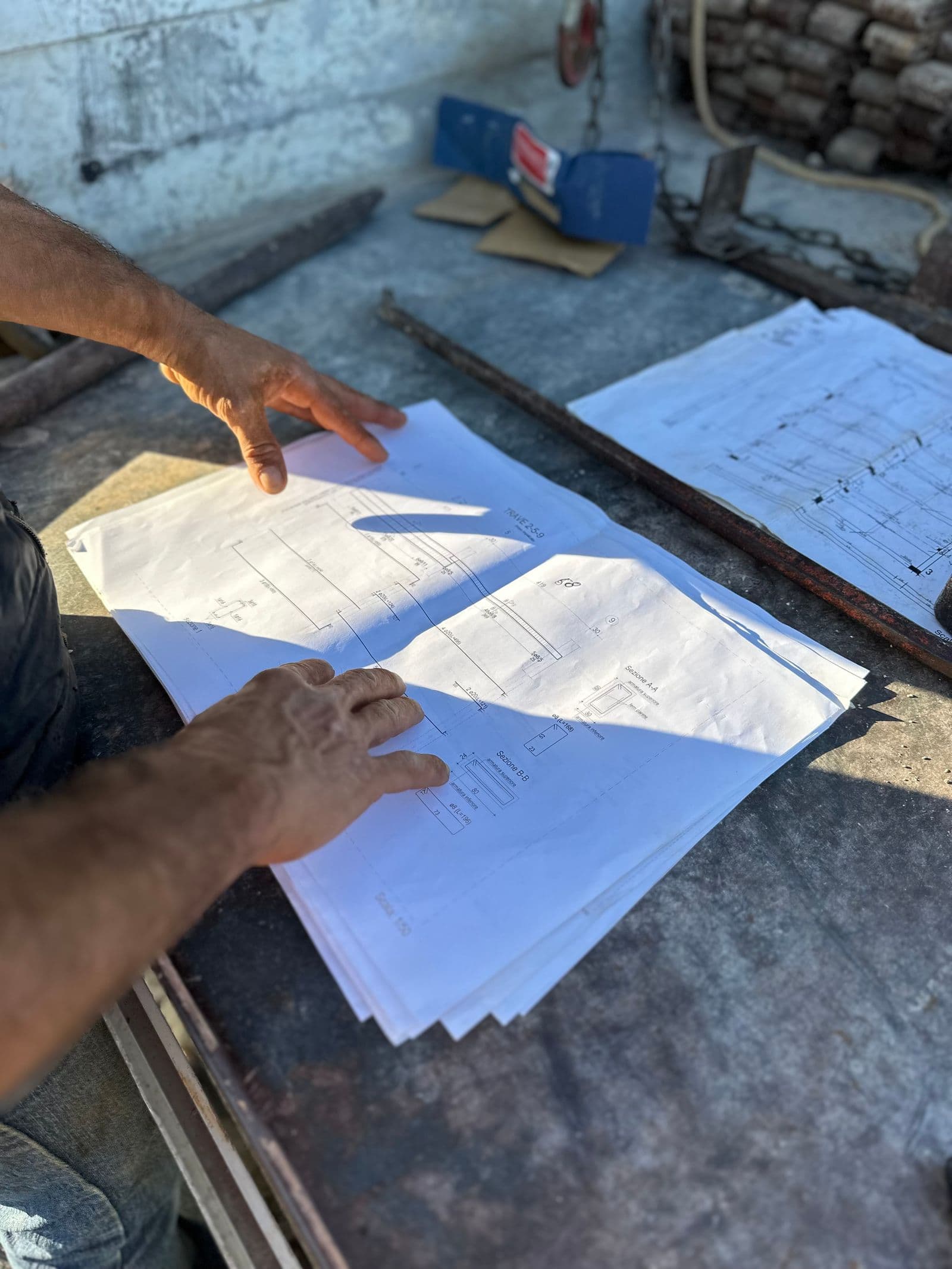
Quote more work. Chase less paper.
Ruh runs AI takeoff and estimating for specialty subcontractors in 37 trades: forward a GC's bid invite to your Ruh email address, up to 20 files, and it returns a measured takeoff and a priced quote, every quantity tied to its sheet and counted 2 times. It prices on your own rates through 425 starting recipes you can edit, shows where each line's price came from, and your first takeoff is free.
- ✓Detailing-grade takeoffs, where there is no room for approximation
- ✓More quotes out with the same team
- ✓One login across every GC, portal in preview
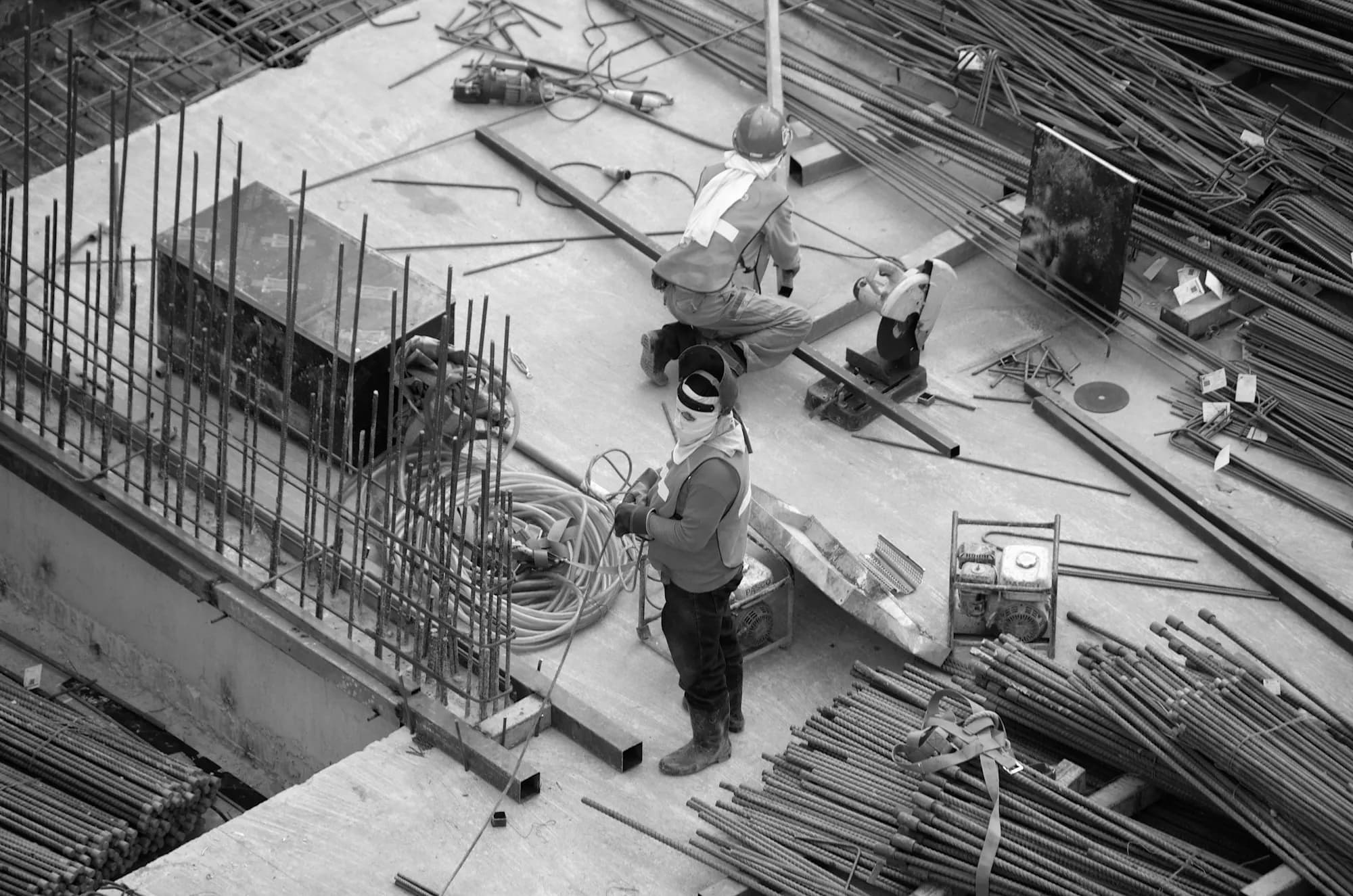
The Sub's Crew.
Built for the trades that live and die on quoting speed and lump-sum accuracy.
One Junction, Every Trade.
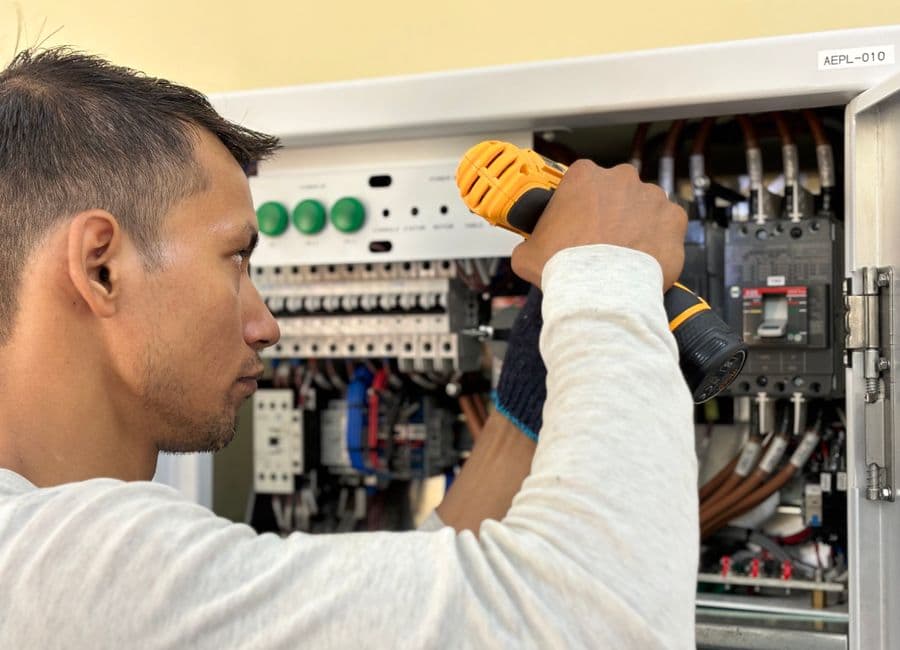
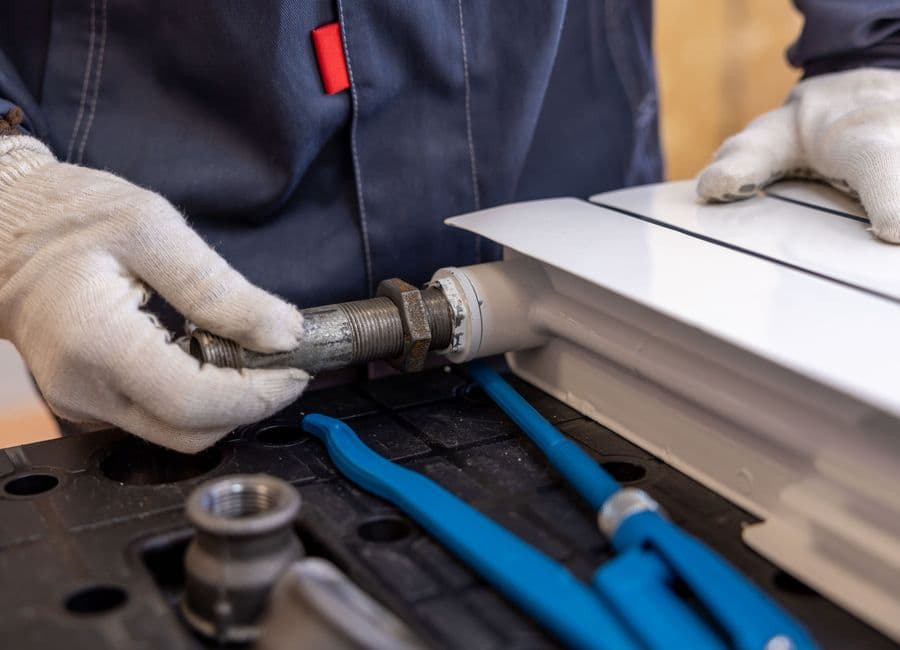
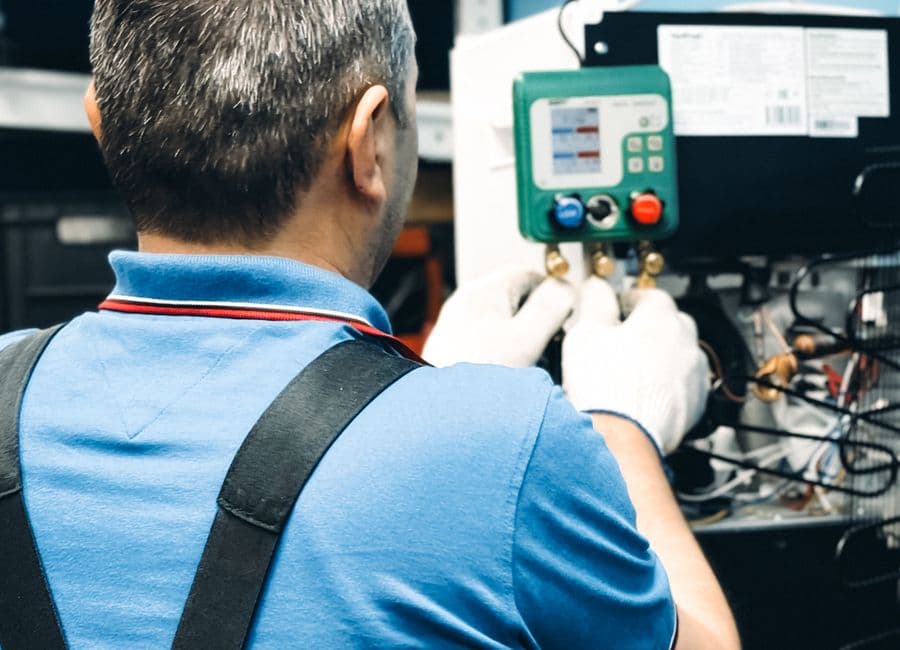
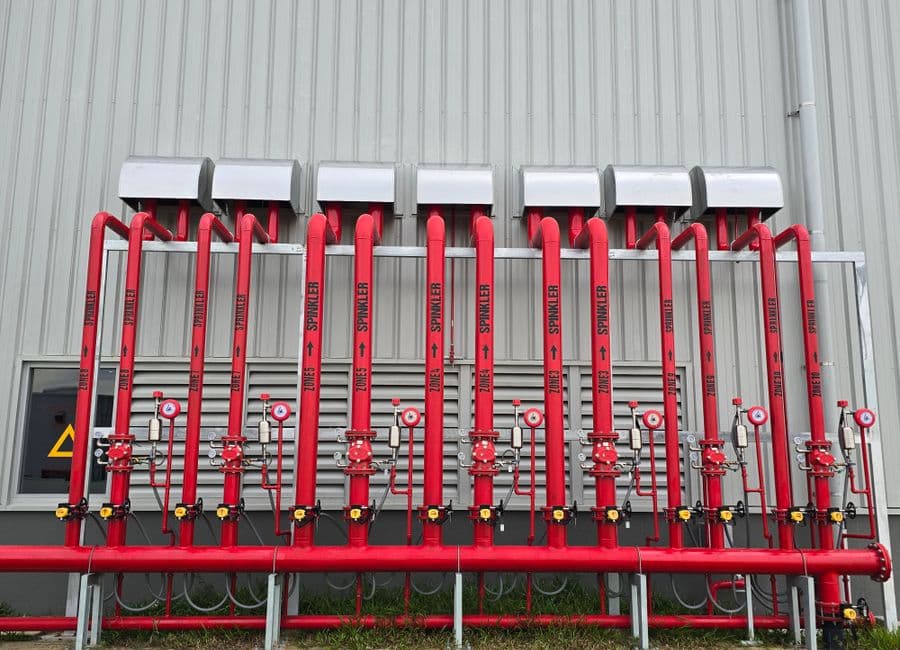
Each trade gets its own page with the takeoff and estimating workflow built for how that scope is actually measured and bid. Pick your trade and see it on your own set.
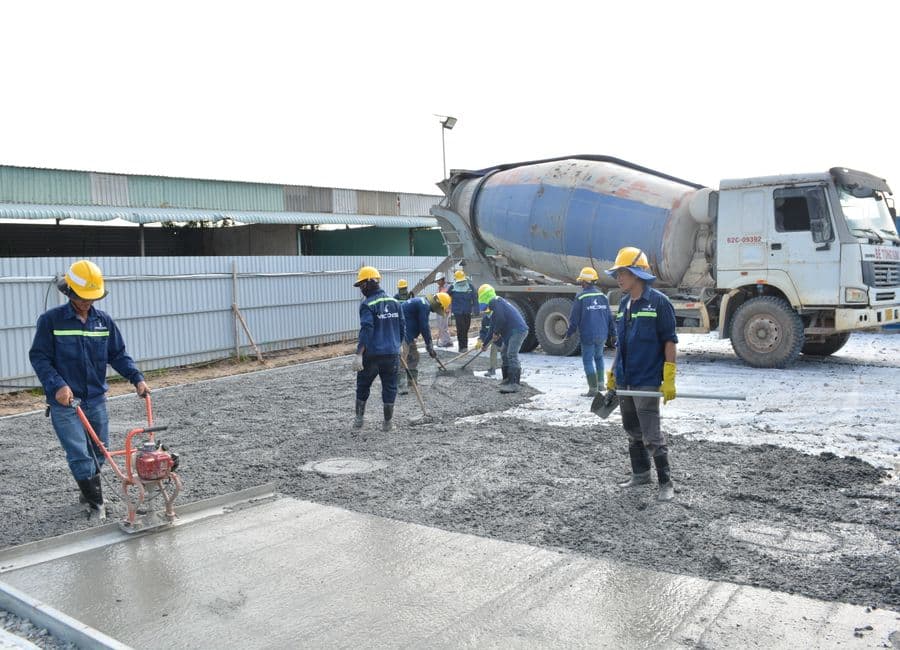

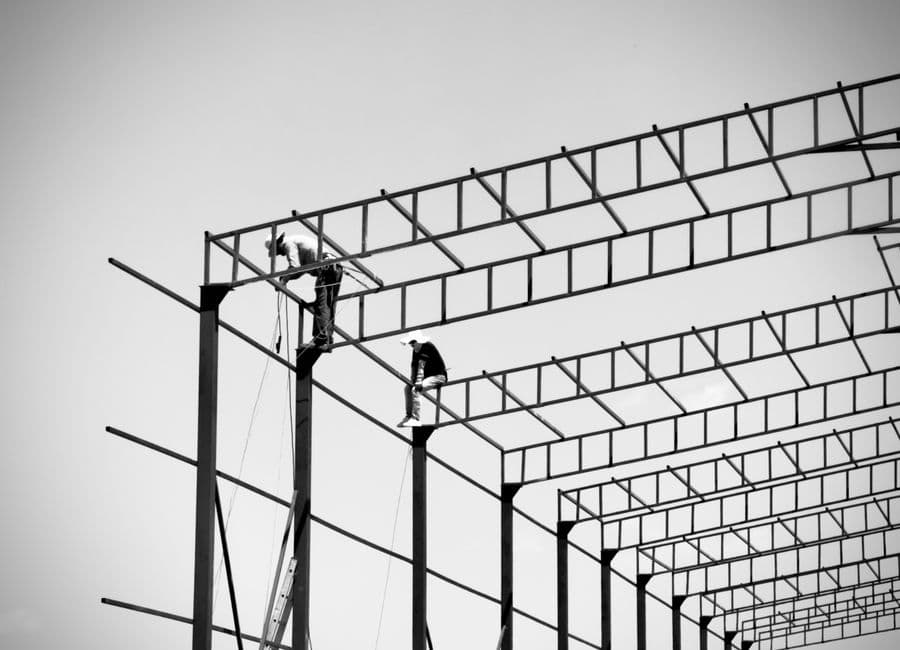


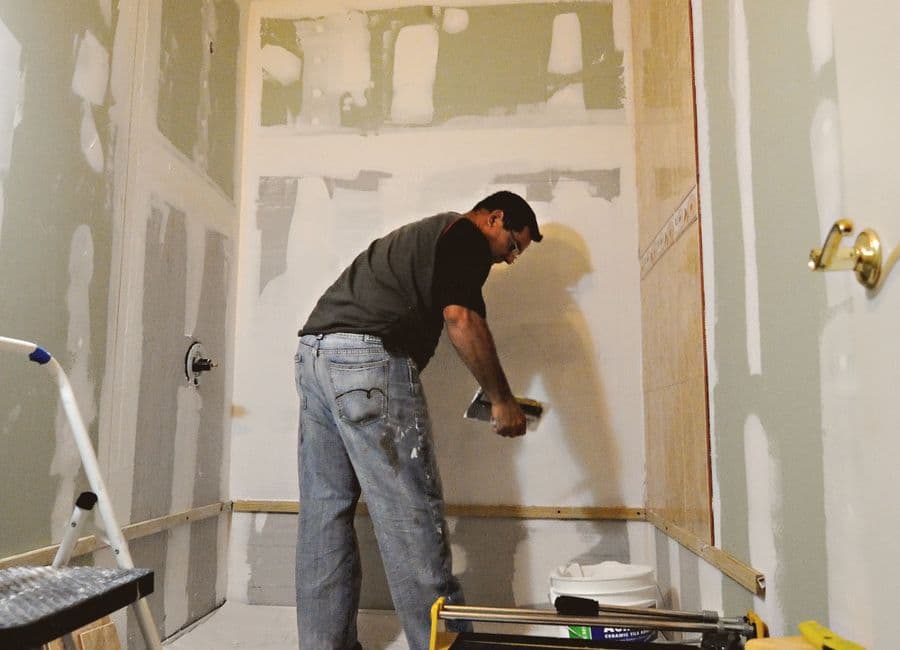

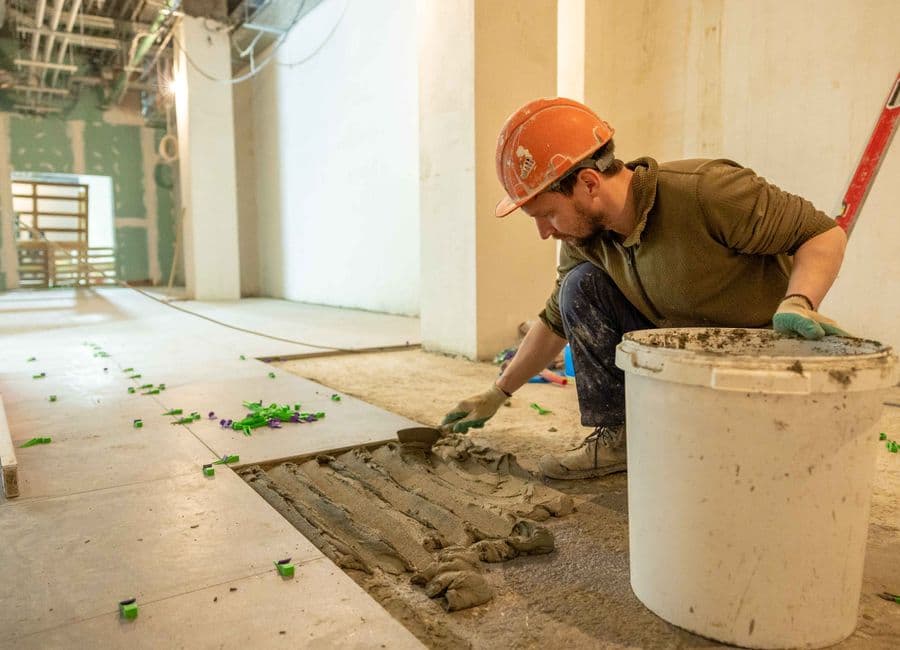
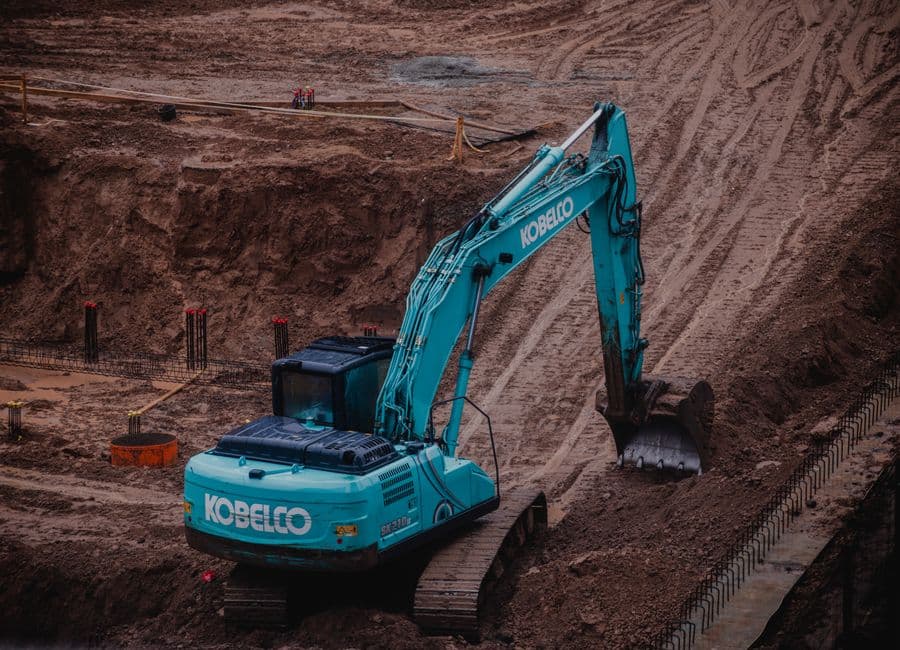
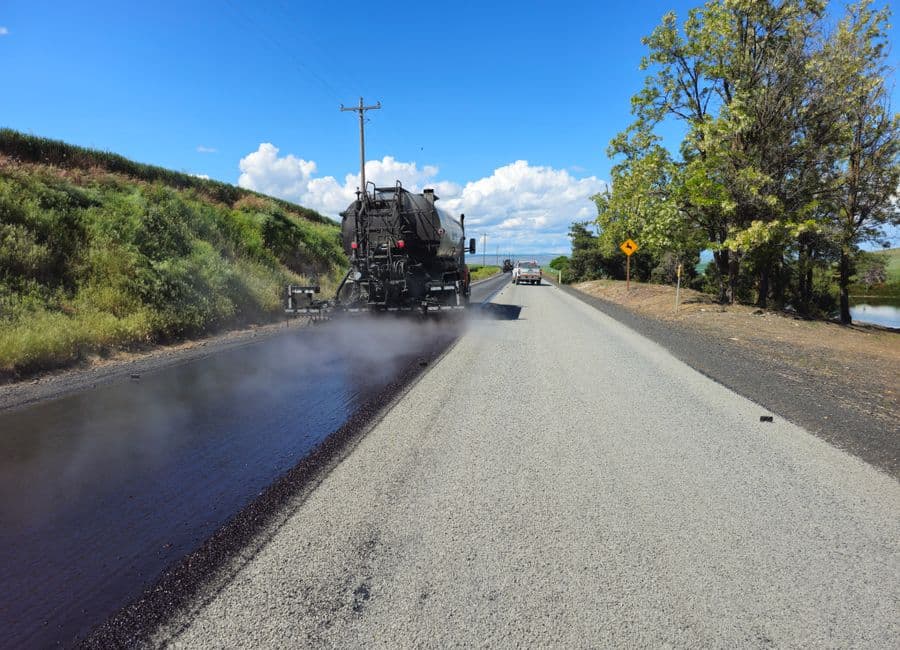
From Bid Invite to a Quote You Can Stand Behind.
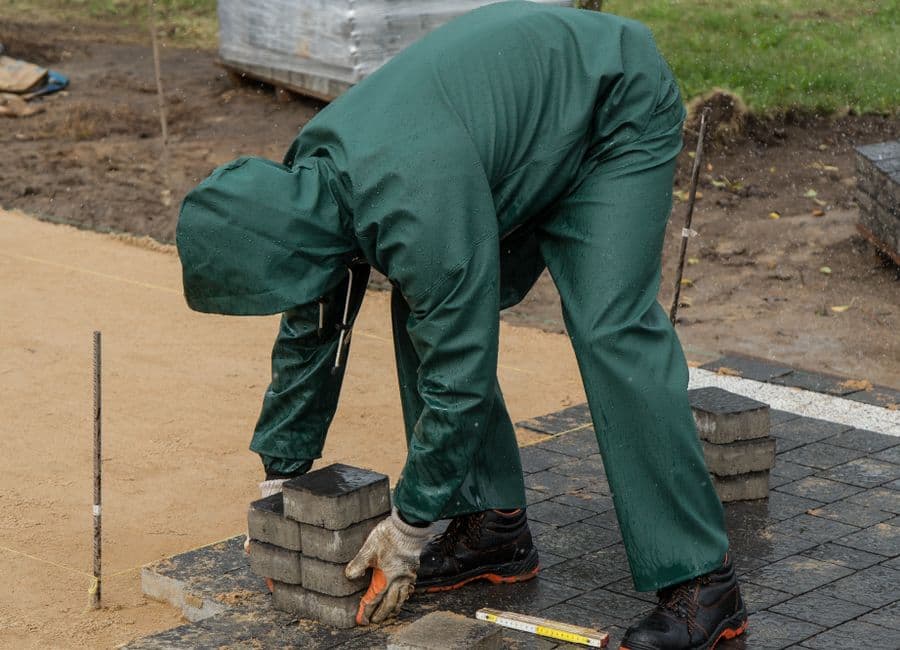
Forward the Invite
The GC's drawing set, straight from the email. No setup project, no template mapping.
The Takeoff Runs Measured
Your trade's quantities off the real sheets, each tied to its sheet and checked by a blind second count.
Pricing Runs on Your Rates
Your unit costs and assemblies, not a generic database, with every assumption labeled.
You Sign and Send
Review the flagged items, adjust, and the quote goes out in your format once your estimator approves it.
What Subs Told Us Actually Hurts.
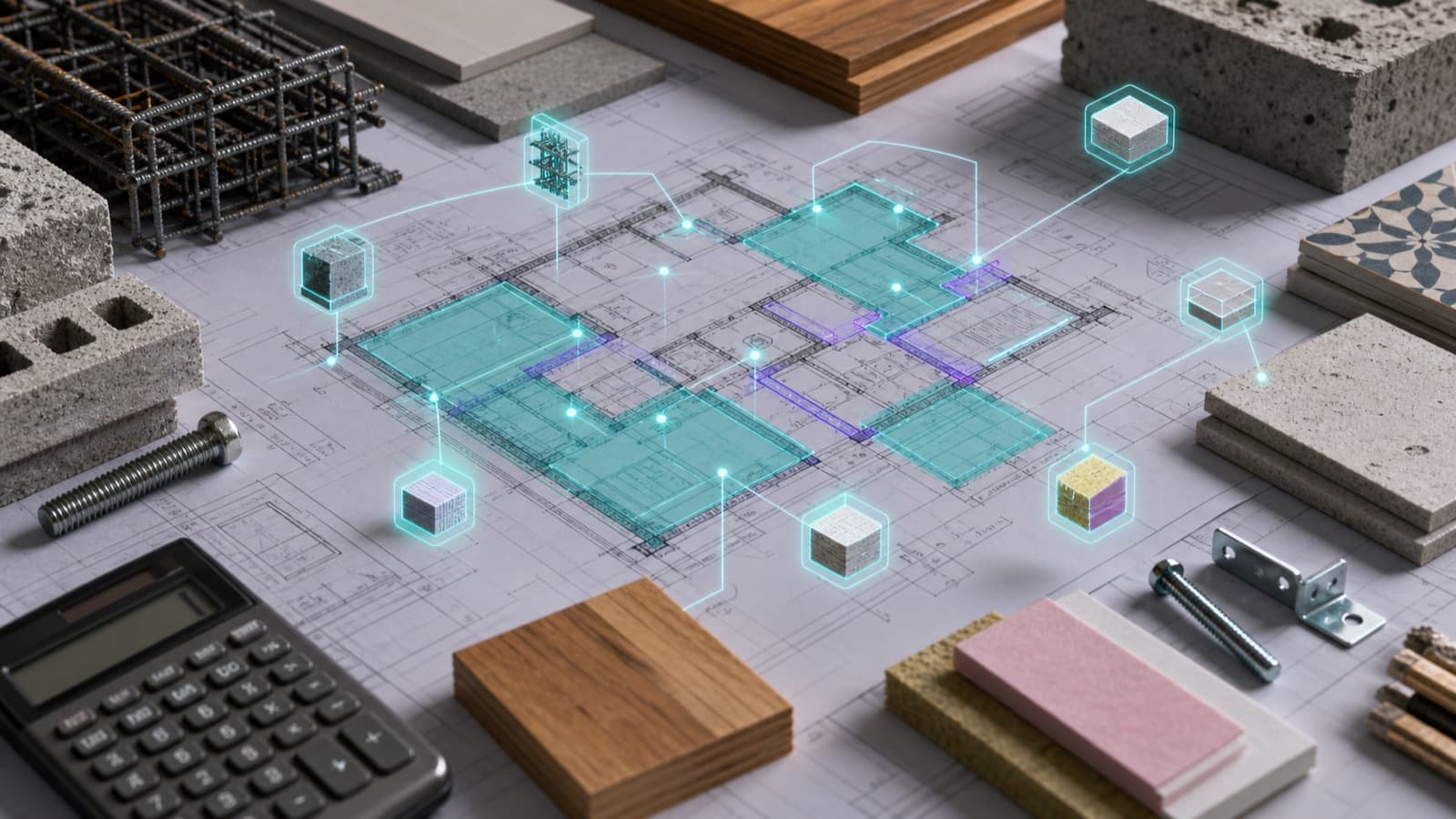
Every Quote Is Overhead
More quotes means more business, and the estimating desk is the bottleneck. The jobs you do not quote are revenue you never see.
DIY AI Already Burned You
Teams tried ChatGPT and Gemini on real takeoffs and it never worked out. Detailing has no approximation in it, and generic models break on callouts and spatial references.
Every GC, Another System
Daily logs, punch, and pay apps re-keyed into each GC's stack, one login and one format per client.
In Their Words.
The first quote is from a Ruh client, named. The rest are taken from discovery calls and working sessions with specialty contractors and suppliers. Anonymized: roles and company types only, lightly cleaned for transcription noise.
Ruh helped us win a job during the demo, so we saw value before we even became a client.
I tried my best in ChatGPT and Gemini. It never worked out. Detailing is detailed work; there is no approximation in it.
The more jobs we quote, the better the business gets. But every quote is overhead.
It has to be profitable and as close to reality as possible. These are lump-sum projects.
I am not a programmer. It is talking about raster imaging or whatever.
AI for Subcontractors, Explained.
Sub Economics Are Simple
Subcontractor economics are brutally simple: the more work you quote, the more you win, and every quote costs estimating hours you cannot scale. That is why the teams that come to us have usually already tried AI on their takeoffs, and why most of them got burned. Generic chatbots cannot hold a spatial reference. Two footings sharing one callout, a legend three sheets away, a scale that applies to one detail. Detailing has no approximation in it, and approximation is all a general model can do.
A Pipeline, Not a Chatbot
Ruh runs takeoff as a purpose-built pipeline instead: sheet classification, scale calibration, then measurement and symbol counting with callouts resolved against the whole set. Every quantity is labeled measured, derived, or estimated, tied to the sheet it came from, so on lump-sum work the risk in the number is visible before you commit to it. Pricing runs on your rates and your assemblies, and scope gaps come out as labeled allowances, never silent zeros.
Built for the Trades
It works for the trades where precision is the business: steel and rebar detailing, exteriors and envelope, plumbing and mechanical, and the specialty scopes GCs bid out every week. Your GC does not need to be on Ruh; the input is the drawing set from the invite, and the output lands in your own quote format, Excel included, beside the Bluebeam and Procore workflows your GCs run. Signed by your estimator.
One Login, Every GC
The portal is the second half of the story. Subs run a different system for every GC they work for: logs here, punch there, pay apps somewhere else. The Subcontractor Portal, in preview on the Ruh platform, is one login across every GC, with the field feeding daily logs and punch from a phone and pay apps riding the same record. Bring one real bid invite to a 30 minute call and judge the takeoff against your own numbers.
No Programmers Required
One more thing subs told us that shaped how this works: nobody on your team needs to be a programmer. The people who tried to build this themselves hit walls of raster imaging and code they had no reason to know, with IT unable to help and no time to explore. Ruh arrives as a working system on your own work, not a toolkit. The realistic promise, in a detailing lead's own words, is that it does not replace everything on day one; it takes the first pass, earns trust against your numbers, and grows from there.
Measured for the Trades.
Judge It on Your Own Work, Not a Demo.
Built to Work Together.
Find Your Trade.
Your trade has two doors: measure the work, then price it.
How the two stages fit together Construction Estimating and Takeoff Software
- ConcreteTakeoff stageConcrete Takeoff SoftwareEstimating stageConcrete Estimating Software
- DemolitionEstimating stageDemolition Estimating Software
- DrywallTakeoff stageDrywall Takeoff SoftwareEstimating stageDrywall Estimating Software
- ElectricalTakeoff stageElectrical Takeoff SoftwareEstimating stageElectrical Estimating Software
- ExcavationTakeoff stageExcavation Takeoff SoftwareEstimating stageSitework and Earthwork Estimating Software
- Fire ProtectionTakeoff stageFire Protection Takeoff Software
- FlooringTakeoff stageFlooring Takeoff SoftwareEstimating stageFlooring Estimating Software
- FramingTakeoff stageFraming Takeoff SoftwareEstimating stageFraming Estimating Software
- GlazingTakeoff stageGlazing Takeoff SoftwareEstimating stageGlazing Estimating Software
- InsulationTakeoff stageInsulation Takeoff SoftwareEstimating stageInsulation Estimating Software
- LandscapingTakeoff stageLandscaping Takeoff SoftwareEstimating stageLandscape Estimating Software
- MasonryTakeoff stageMasonry Takeoff SoftwareEstimating stageMasonry Estimating Software
- MechanicalTakeoff stageMechanical Takeoff SoftwareEstimating stageHVAC Estimating Software
- PaintingTakeoff stagePainting Takeoff SoftwareEstimating stagePainting Estimating Software
- PavingTakeoff stagePaving Takeoff Software
- PlumbingTakeoff stagePlumbing Takeoff SoftwareEstimating stagePlumbing Estimating Software
- RoofingTakeoff stageRoofing Takeoff SoftwareEstimating stageRoofing Estimating Software
- SidingTakeoff stageSiding Takeoff Software
- Structural SteelTakeoff stageStructural Steel Takeoff SoftwareEstimating stageStructural Steel Estimating Software
- WaterproofingTakeoff stageWaterproofing Takeoff Software
See It on Your Own Work.
A free 30 minute walkthrough on your real work, no card. You decide if you move forward.
Proof and Perspective.
One Useful Email. No Drip Campaign.
Takeoff teardowns, cost data, and field notes from teams putting AI on real bids. Sent when there is something worth reading, never on a content calendar.
No spam · Unsubscribe anytime
Frequently Asked Questions
What specialty contractors ask before putting a real bid invite on Ruh.
Which trades does it work for?
The precision trades are where it started: steel and rebar detailing, exteriors and envelope, plumbing, and mechanical, plus the specialty scopes GCs bid out weekly. If your trade lives on measured quantities, it fits. We confirm your scope on the walkthrough.
We already tried AI on takeoffs and it failed. Why would this work?
Does my GC need to be on Ruh?
What does it cost per takeoff?
When does the subcontractor portal arrive?
Do we need technical people to run this?
Send One Bid Invite. Judge It Yourself.
We run your trade's takeoff on a real GC drawing set and walk the result line by line on a 30 minute call. If it does not hold up against your estimator, you have lost nothing.