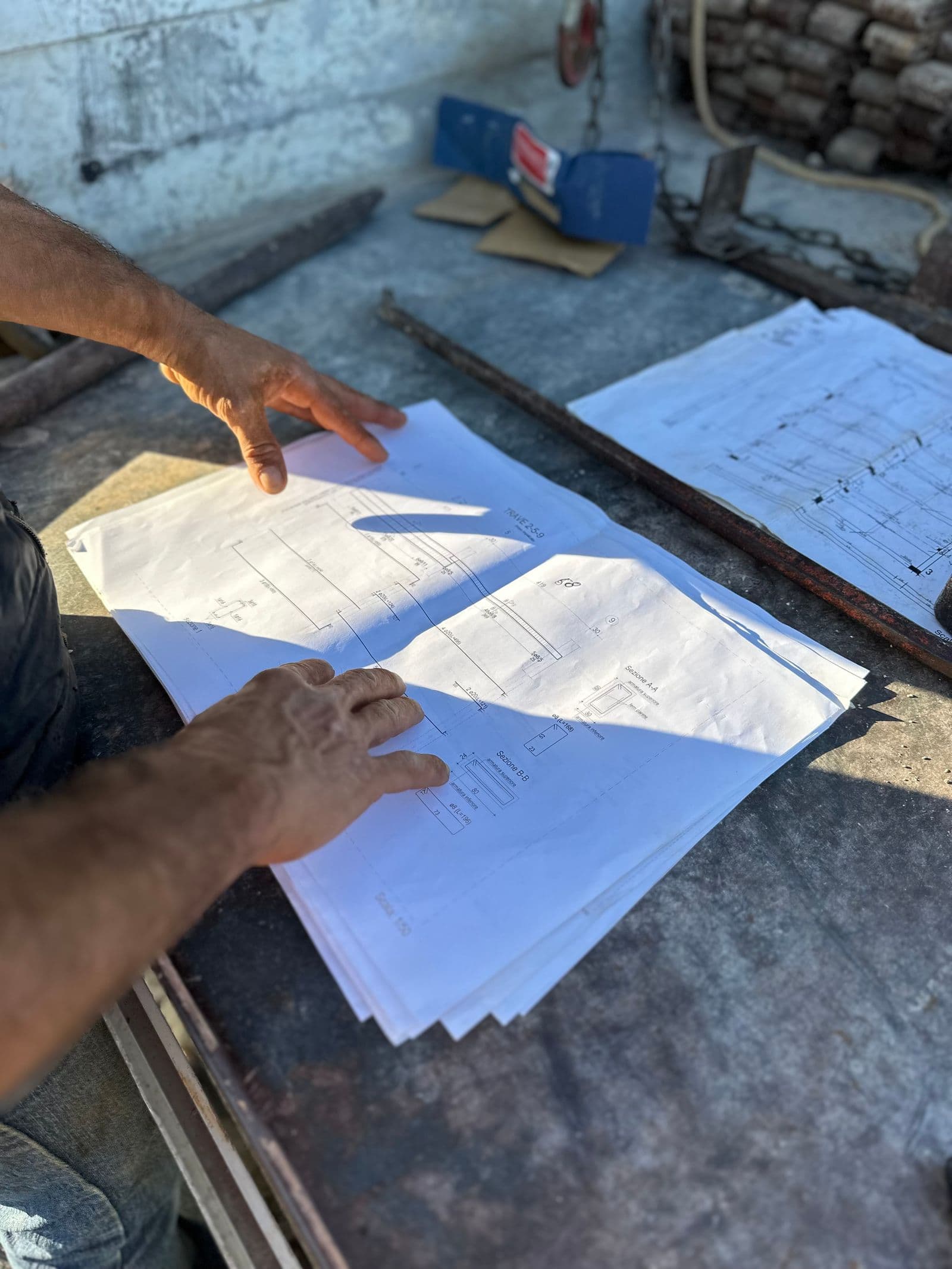
Every stud, joist, and connector, measured off the real set.
Ruh AI runs framing takeoff the way your estimators do. Wall runs come off the set as linear feet by wall type, then stud, plate, and track quantities are derived from spacing, height, and opening counts. Joists, rafters, trusses, and headers are counted off the framing plans, sheathing is pulled as square feet and converted to sheets, and connectors and hardware are read out of the structural schedules and details. Light-gauge metal studs, dimensional and engineered wood, or structural steel members and connection counts, every quantity is labeled measured, derived, or estimated, tied to the sheet it came from, priced on your own historical rates, and approved by your estimator before any proposal goes out.
Then price it Framing Estimating Software
- ✓Wall runs, stud and plate counts, joists, headers, and sheathing, all measured off the framing set
- ✓Every quantity labeled measured, derived, or estimated, so you can see where each number came from
- ✓Priced on your own material and labor rates, into your own workbook and proposal
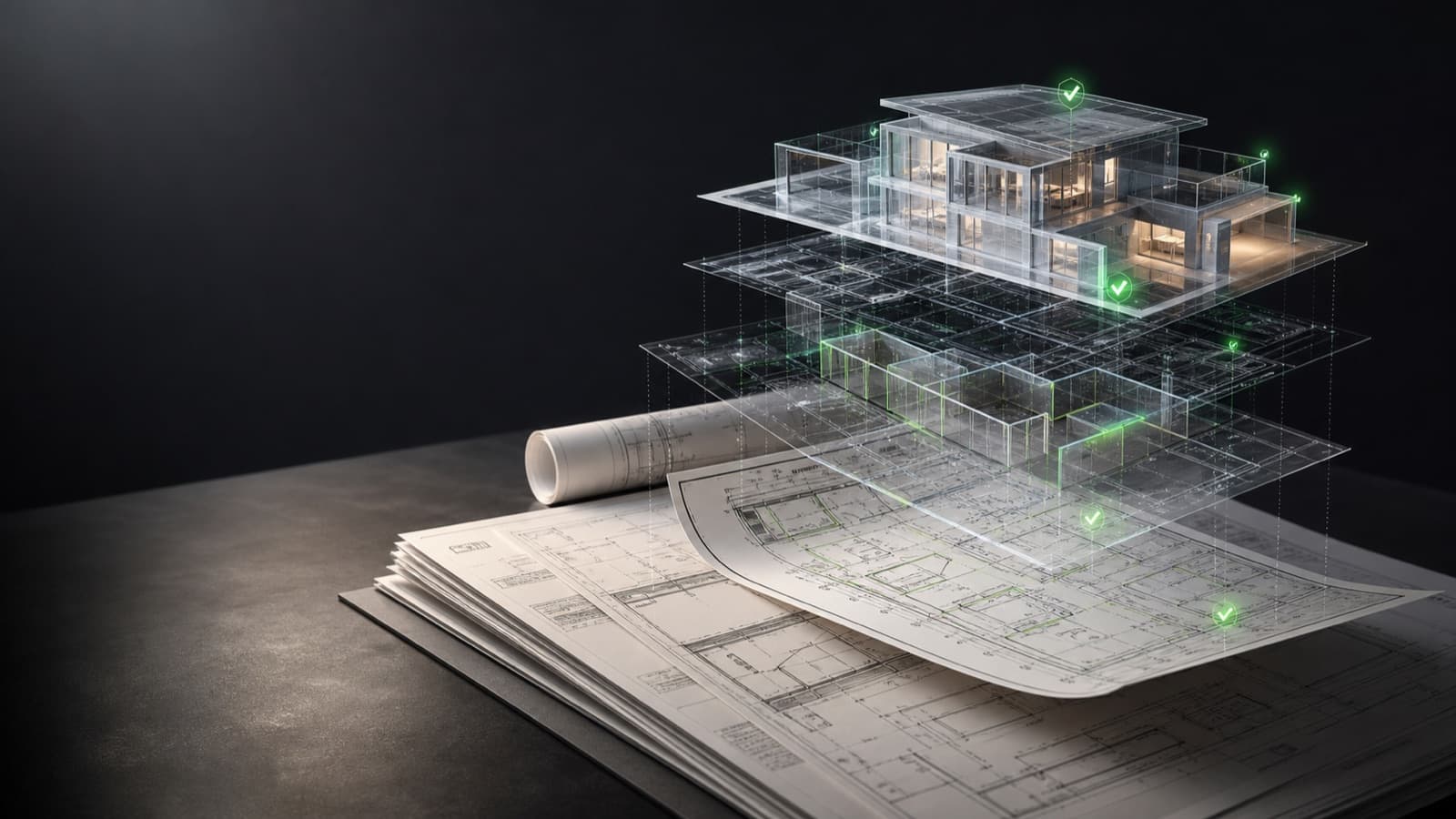
The Agents on Your Framing Bid.
From the structural set to a priced framing proposal to the invoices that follow, each agent works inside your process and explains every count.
How Ruh Runs a Framing Takeoff.
Send the Framing Set
Architectural partition plans, structural framing plans, wall-type and header schedules, shear-wall and connector schedules, and details. PDF or CAD, straight from the bid invite.
Conditions Get Measured
Wall linear feet by type, stud, plate, and track from spacing and height, joists, rafters, trusses, and headers counted, sheathing squared and converted to sheets, connectors read from the schedules.
Priced on Your Rates
Material by piece, linear foot, and sheet, plus your own labor production rates, run through the budget. Waste and assumptions written down, never buried in a lump sum.
Your Estimator Signs
Review the flagged items and the blind second count, resolve every flag, export into your workbook and proposal. Every line human-signed.

Where Framing Bids Get Lost.
The Scope Is Scattered Across the Set
Framing quantities live on partition plans, structural framing plans, wall-type schedules, header and shear-wall schedules, and a stack of connection details. Miss one detail sheet and a whole wall type or a run of hold-downs never gets priced.
The Conditions That Vanish
Blocking and backing, deflection and slip track at the head of wall, bridging, kickers on tall walls, fire-rated and shaft-wall assemblies, and the connectors buried in details. Small line items that decide whether the crew hits the labor budget.
Labor Is the Number That Bites
Framing is labor-heavy, so an understated stud count, short plate footage, or a missed row of connectors does not show up until the crew is on the wall. A lump-sum bid with no measured basis is a bet, and framing is where that bet gets expensive.
AI Framing Takeoff and Estimating, Explained.
It Reads the Whole Framing Set, Not One Sheet
Framing is not a single-plan trade. The pipeline classifies the sheets, reads wall types out of the partition schedule, resolves callouts between the architectural and structural plans, and pulls headers, hold-downs, and hangers from the schedules and details where they actually live. Wall runs come off as linear feet by type, studs and plates and track are derived from spacing, height, and opening counts, joists, rafters, and trusses are counted off the framing plans, and sheathing is measured as square feet and converted to sheets. The point is coverage: every condition is accounted for or flagged, so nothing quietly falls out of the bid. Where wood or metal framing ties into masonry, Masonry Takeoff Software takes the receiving wall, bond beam, and reinforcing conditions from the adjoining details. Each joist carries floor or roof loads to its supports, so its span, spacing, and bearing conditions belong alongside the member count.
Every Quantity Is Labeled, Not Asserted
A framing takeoff is only trustworthy if you can see where each number came from. Ruh labels every quantity measured, derived, or estimated and ties it to the sheet it came from, so a stud count pulled off a dimensioned wall reads differently from a connector quantity inferred from a typical detail. Open issues are surfaced for a person instead of averaged into the total, which is exactly how a framing estimator wants to spend review time: on the conditions that carry risk, not on re-counting the obvious.
It Prices on Your Book and Stays in Your Stack
Metal-stud gauges, wood species and grades, sheathing types, and connector catalogs are priced on your own historical material rates and your own labor production rates, not a national average, from takeoff through proposal. Preliminary numbers run fast with assumptions labeled loudly for an early conversation, and full bids run the full takeoff, budget, and proposal. Everything lands in the tools you already run, Bluebeam, Procore, Autodesk, and Excel, and your estimator signs every line.
Framing Numbers That Hold Up at Buyout.
Every Stud Counted, Every Connector Found, Every Line Signed.
Built to Work Together.
Get a Free Framing Takeoff.
Send one framing set and see the measured takeoff on your own drawings. No card, no rip-and-replace.
Proof and Perspective.
One Useful Email. No Drip Campaign.
Takeoff teardowns, cost data, and field notes from teams putting AI on real bids. Sent when there is something worth reading, never on a content calendar.
No spam · Unsubscribe anytime
Frequently Asked Questions
What framing estimators ask before trusting an AI takeoff on a real bid.
How accurate is the framing takeoff?
Does it actually read our framing drawings?
Does it price on our rates or a generic database?
Does it work with the software we already use?
How do I know which numbers to double-check?
Can it do a preliminary number, or only a full takeoff?

Run Your Next Framing Bid on Ruh.
Send one framing set. We run the takeoff, from wall runs and stud counts to sheathing and connectors, and walk you through every number on a 30 minute call. If it does not hold up against your estimator, you have lost nothing.