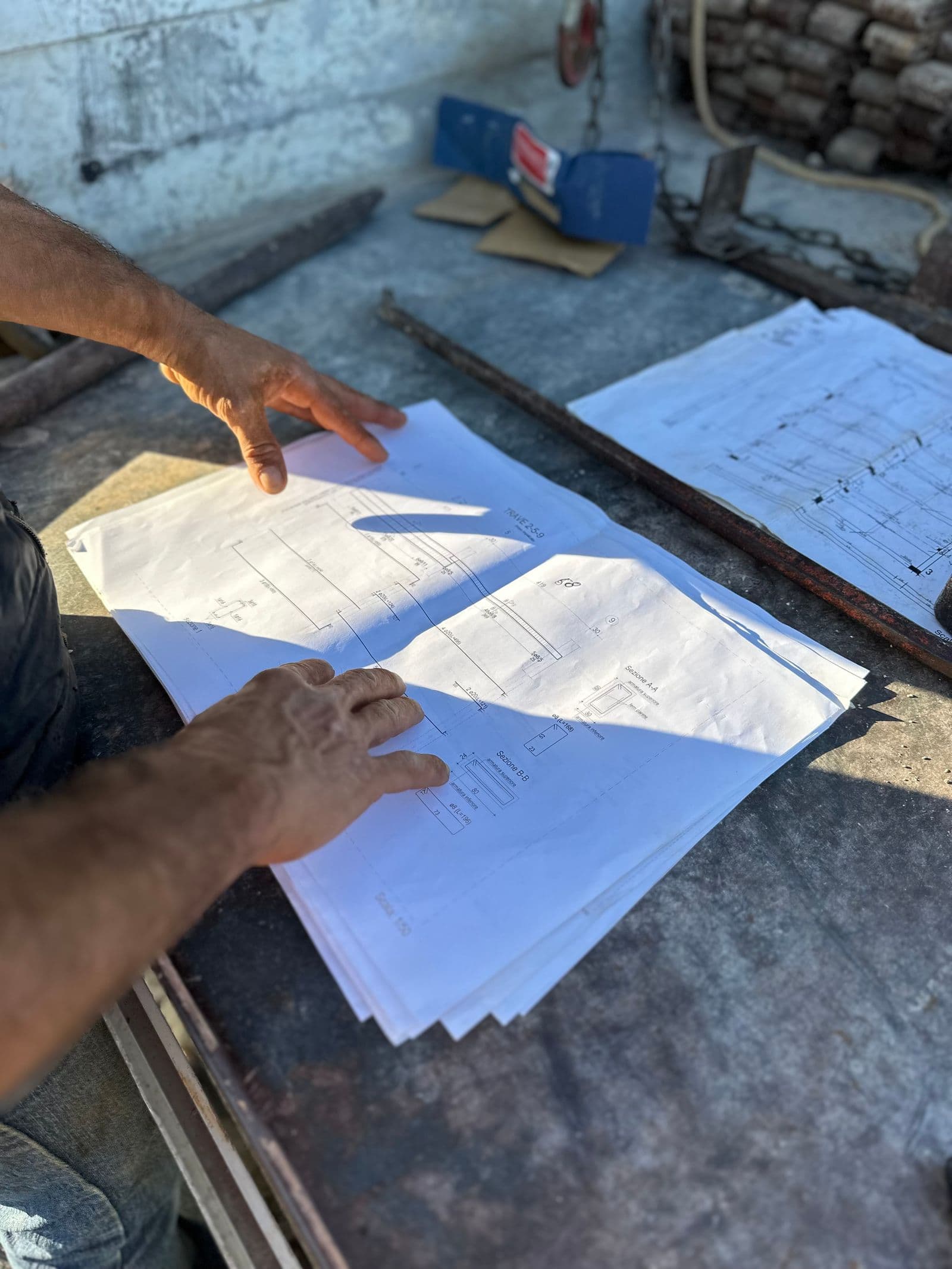
Cut, fill, and trenching, measured off the grading plan.
Ruh AI computes the cut, fill, and trenching off your grading plan, priced on your own rates and signed by your estimator.
Then price it Sitework and Earthwork Estimating Software
- ✓Cut and fill in cubic yards, trenching in linear feet by depth
- ✓Import and export haul quantities computed off the earthwork balance
- ✓Runs on Bluebeam, Procore, and Excel

The Excavation Bid Crew.
The agents that carry a civil set from measured takeoff to a priced, signed proposal.
From Grading Plan to Priced Excavation Bid, One Motion.
Send the Civil Set
Civil and grading plans, spot elevations, cross sections, the geotechnical report, utility plans, and the Division 31 spec, straight from the invitation. Sheet and detail classification starts immediately.
Cut, Fill, and Trenching Run
Cut and fill volumes computed in cubic yards from the grading plan and spot elevations, mass excavation and over-excavation quantified off the geotechnical recommendations, and utility trenching measured in linear feet by depth.
Earthwork and Haul Priced
Stripping, mass excavation, structural fill, backfill, compaction, trenching, shoring, dewatering, erosion control, and import and export haul priced on your own assemblies and history, with mobilization where the scope calls for it.
Your Estimator Signs
Review the flagged items and the blind second count, adjust the assumptions, and export into your own proposal format.

The Excavation Bid Squeeze.
Coverage Decides the Year
Excavation and earthwork subs bid more dirt than a small estimating room can compute by hand. Every set that sits unpriced is a job that goes to the sub who got a number out first.
The Balance Hides the Margin
The graded pad is the easy part. The margin hides in the over-excavation, the structural fill, the trench depths, and the import and export haul that turn a light cut and fill number into a losing job when they are missed on a fast manual takeoff.
Lump-Sum Leaves No Room to Be Wrong
Most excavation goes out as a lump sum. A wrong cut and fill balance, a missed over-excavation zone, or a light haul number does not surface in a change order. It comes straight off the crew's margin.
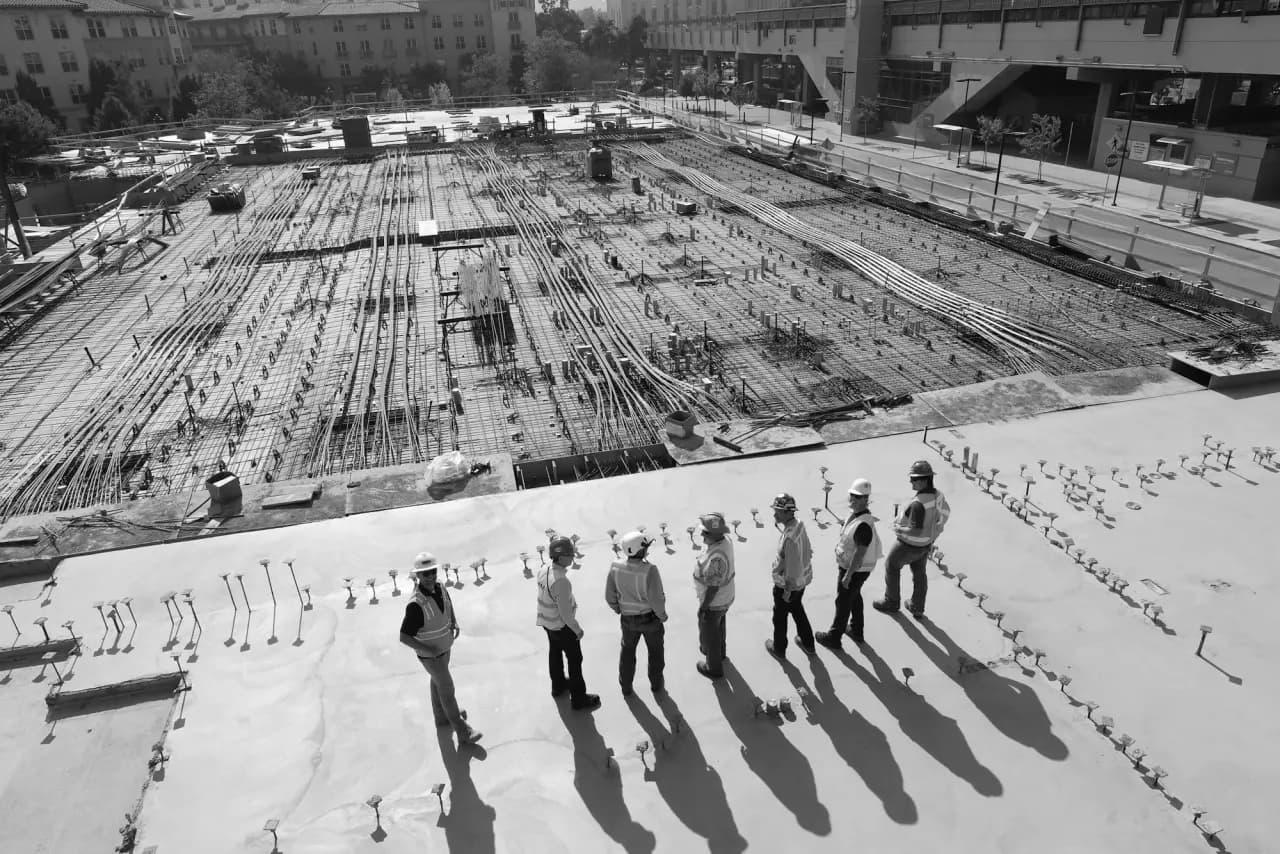
From an Excavation Contractor.
Ruh helped us win a job during the demo, so we saw value before we even became a client.
AI Excavation and Earthwork Takeoff and Estimating, Explained.
The Takeoff Is the Bid
Excavation estimators tell us the same thing: the number is only as good as the quantities behind it, and computing cut and fill and pulling trench lengths by hand off a PDF takes hours. When the cut and fill balance, the trenching, and the haul quantities run as one measured pass on the real grading plan, the same room prices more sets and keeps senior judgment on the soil conditions, the balance strategy, and the haul logistics, which is where an excavation bid is actually won or lost.
Built for How Earthwork Is Measured
Mass grading, structural excavation, and utility trenching are different takeoffs, and the pipeline treats them that way. Cut and fill volumes are computed in cubic yards from the existing and proposed grades and the spot elevations, over-excavation and structural fill are quantified against the geotechnical recommendations, utility trenching is measured in linear feet by depth off the civil and utility sheets, and backfill, compaction, shoring, dewatering, and erosion control are taken off the sections and the SWPPP and reconciled against the Division 31 spec. Import and export haul are computed from the balance, not guessed at a flat number.
Priced on Your Book, Signed by Your Estimator
The quantities are priced through the budget on your own historical rates and assemblies for the work you self-perform, whether that is mass grading, structural excavation, utility trenching, or import and export, with mobilization, dewatering, and erosion control carried where the scope calls for it. Every line is labeled measured, derived, or estimated, tied to the sheet it came from, so a light spot in the set is visible in the review instead of buried in a lump sum. Nothing goes out until your estimator signs it, and it runs on Bluebeam, Procore, Autodesk, and Excel.
Excavation Numbers That Hold Up.
Judge It on Your Own Civil Set, Not a Demo.
Built to Work Together.
See It on Your Own Civil Set.
A free 30 minute walkthrough on a real civil set, no card. We run the takeoff live and you decide if you move forward.
Proof and Perspective.
One Useful Email. No Drip Campaign.
Takeoff teardowns, cost data, and field notes from teams putting AI on real bids. Sent when there is something worth reading, never on a content calendar.
No spam · Unsubscribe anytime
Frequently Asked Questions
What excavation estimators ask before trusting an AI takeoff on a real set.
How accurate is the excavation takeoff?
Can Ruh run AI agents for excavation estimating?
Does it actually read our grading plans and geotechnical report?
Can it price on our own excavation rates?
Does it fit the software we already run?
Can it give a quick budget number and a full bid?

Run Your Next Earthwork on Ruh.
Send one civil set. We run the takeoff and walk you through the cut and fill, the trenching, the haul, and the erosion control on a 30 minute call. If it does not hold up against your estimator, you have lost nothing.