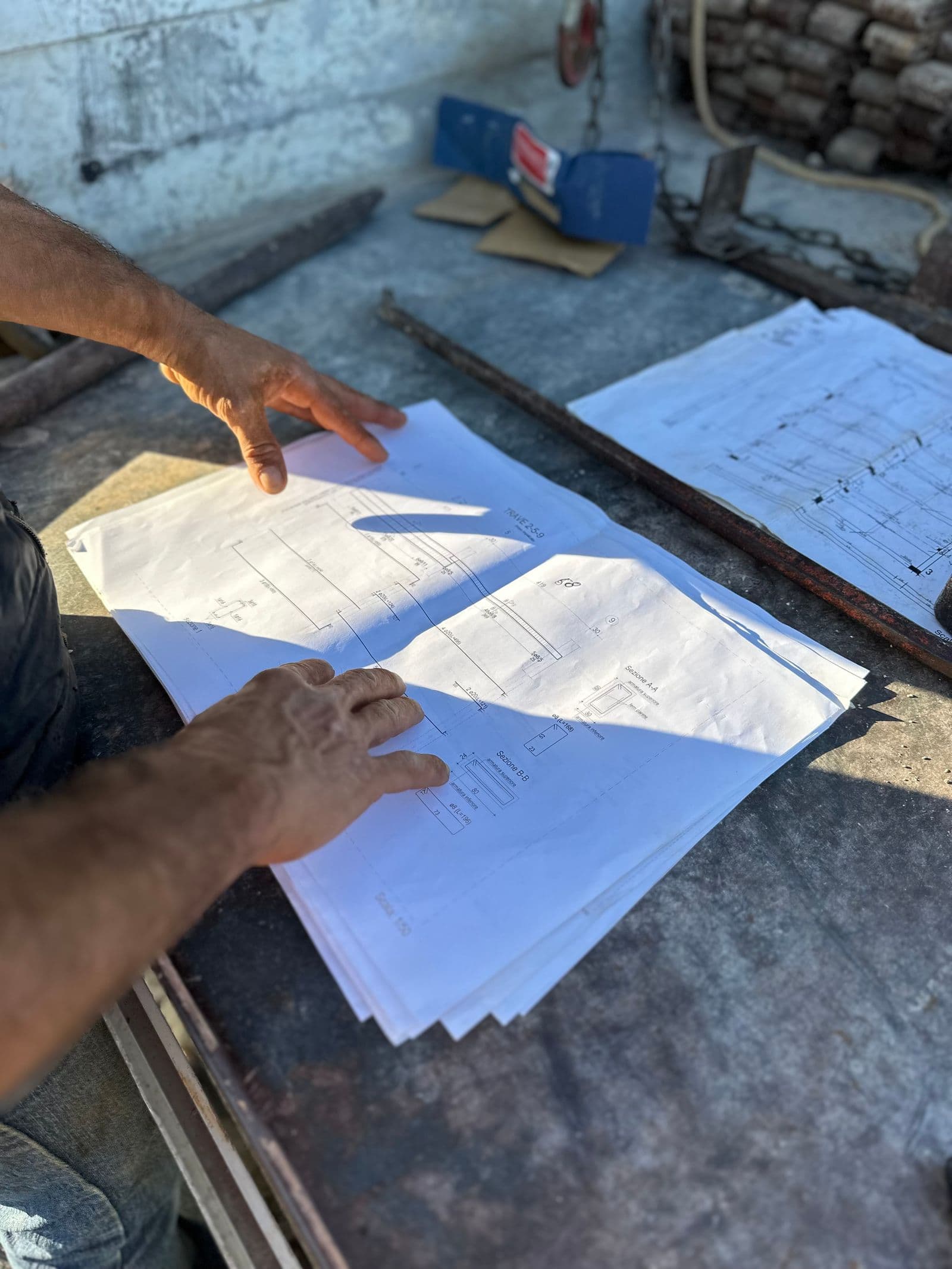
AI plumbing takeoff software. Every fixture counted, every foot of pipe measured.
Ruh is AI plumbing takeoff software that runs the takeoff the way your estimator does. It reads the plumbing drawing set and fixture schedule, counts fixtures with the rough-in each one pulls, and measures DWV and domestic water piping in linear feet by size and material, along with the valves, fittings, carriers, risers, and water heaters. It then prices the estimate through the budget on your own labor units and material book, and labels every quantity measured, derived, or estimated, tied to the sheet it came from, so your estimator reviews fast and signs every line.
Then price it Plumbing Estimating Software
- ✓Fixtures counted with the rough-in assembly each one pulls
- ✓DWV and domestic water measured by size, material, and system
- ✓Priced on your own labor units, exported to your workbook
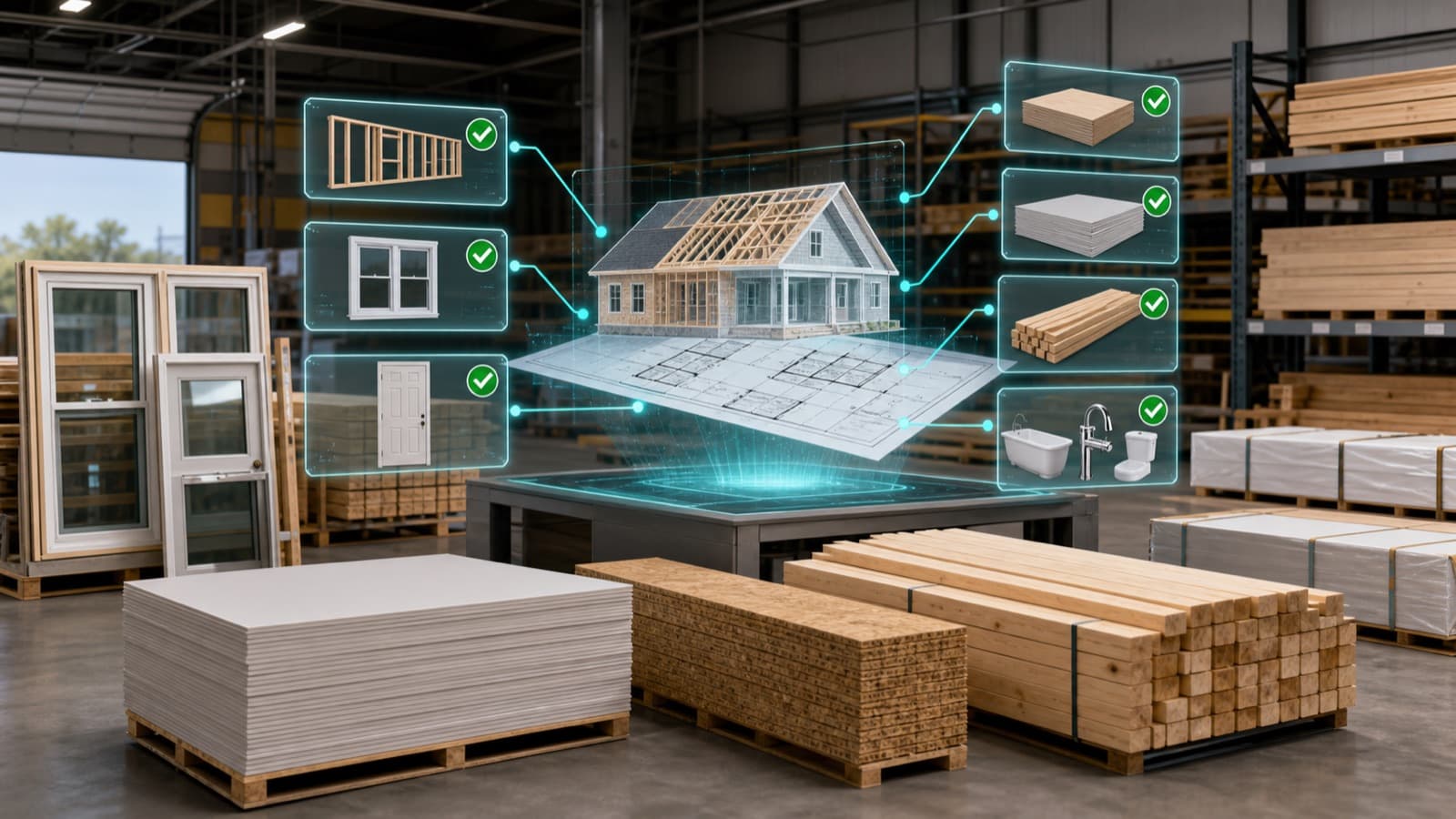
The Plumbing Bid Crew.
The agents that carry a plumbing set from drawings to a priced, submittable bid, with your estimator at the center.
From Plumbing Set to Priced Bid.
Send the Set
Plumbing plans, riser diagrams, fixture schedules, and the spec, straight from the invite. Sheet classification starts immediately.
Takeoff Runs
Fixtures counted, DWV and domestic water measured by size and material, risers picked off the isometrics, each quantity tied to its sheet.
Pricing Assembles
Scope, fitting, valve, and carrier counts, then a budget and a proposal priced on your own labor units and material book.
You Sign
Review the flagged items, adjust any rate or assumption, and approve the bid. The agent learns your corrections.
Where Plumbing Bids Leak Money.
Coverage Decides the Year
Invitations arrive faster than the estimating room can take them off. Every plumbing set you cannot price in time is work handed to the shop down the street.
The Condition You Did Not See
A fixture is a quick count. What hides is everything it pulls: the carrier, the trap primer, the floor drain in the mechanical room, the under-slab run buried in the details. Miss it on takeoff and you find it in the field.
Lump Sum Has No Eraser
Most plumbing work is bid lump sum, so the risk is the scope you did not measure. An undersized main, a vent stack counted short, or a riser missed on the isometric comes straight out of your margin.
AI Plumbing Takeoff and Estimating, Explained.
A Plumbing Set Is Not One Takeoff, It Is Several
A plumbing bid is really a stack of separate takeoffs that all have to reconcile. Fixtures counted off the schedule and the floor plans. Sanitary waste, vent, and storm measured as DWV by size and material. Domestic cold, hot, and hot water return measured separately, in copper, PEX, or CPVC, by diameter. Then the risers off the isometric diagrams, the carriers and cleanouts and floor drains, the valves and fittings, the water heaters and backflow preventers. A general chatbot reads a drawing the way it reads a photo, and it cannot hold that many systems and scales at once. That is why plumbing estimators who tried a DIY tool watched it break on the first real riser diagram.
A Purpose-Built Plumbing Pipeline
Ruh runs plumbing takeoff as a purpose-built pipeline instead. It classifies the sheets, calibrates scale, then measures each system on its own: fixtures with the rough-in assembly each one pulls, DWV and domestic water in linear feet by size and material, risers resolved off the isometrics, and fittings, valves, and carriers counted against the whole set rather than one sheet in isolation. Every quantity comes back labeled measured, derived, or estimated and tied to its sheet, so you can see exactly how much of the bid is measured before it ever goes out. Partial runs finish honestly as partial, so a detail sheet it could not fully read shows up as a gap, never a silent zero.
Priced on Your Book, Signed by Your Estimator
Pricing then runs on your own labor units and material book, not a national average, from scope through fitting and valve counts to a budget and a proposal that fills your own workbook. On a plan-and-spec lump-sum bid, that labeling is where the risk lives, so every assumption is written down and every gap is priced as a labeled allowance. Preliminary numbers for a budget conversation run fast with the assumptions called out loudly, and full bids run the complete pipeline. One structural steel client, ADF Group, measured bid turnaround roughly fifty percent faster this way. Nothing goes out unapproved: your estimator reviews the flagged items and approves the budget before the proposal is built. Send one real plumbing set and judge the takeoff against your own numbers.
Measured off the Set, Not Guessed.
Judge It on Your Own Plumbing Set, Not a Demo.
Built to Work Together.
See It on Your Own Plumbing Set.
A free 30 minute walkthrough on your real drawings, no card. You decide if you move forward.
Proof and Perspective.
One Useful Email. No Drip Campaign.
Takeoff teardowns, cost data, and field notes from teams putting AI on real bids. Sent when there is something worth reading, never on a content calendar.
No spam · Unsubscribe anytime
Frequently Asked Questions
What plumbing estimators ask before trusting an AI takeoff on a real bid.
How accurate is the plumbing takeoff?
Can it read our plumbing drawings and riser diagrams?
Does it price on our own labor units and material rates?
Will it work with our estimating software?
What happens to the fittings, valves, and carriers it is unsure about?
Can it do a preliminary budget number as well as a full bid?
Is the plumbing takeoff fully automated?
Does it produce a plumbing material takeoff?
Do you offer plumbing takeoff services, or is it software we run?
Send a Plumbing Set. Judge the Takeoff Yourself.
We run your real drawings and walk through the fixture count, the pipe footage, and the pricing line by line on a 30 minute call. If it does not hold up against your estimator, you have lost nothing.