Construction glossary · Steel and structural
What is shop drawings in construction?
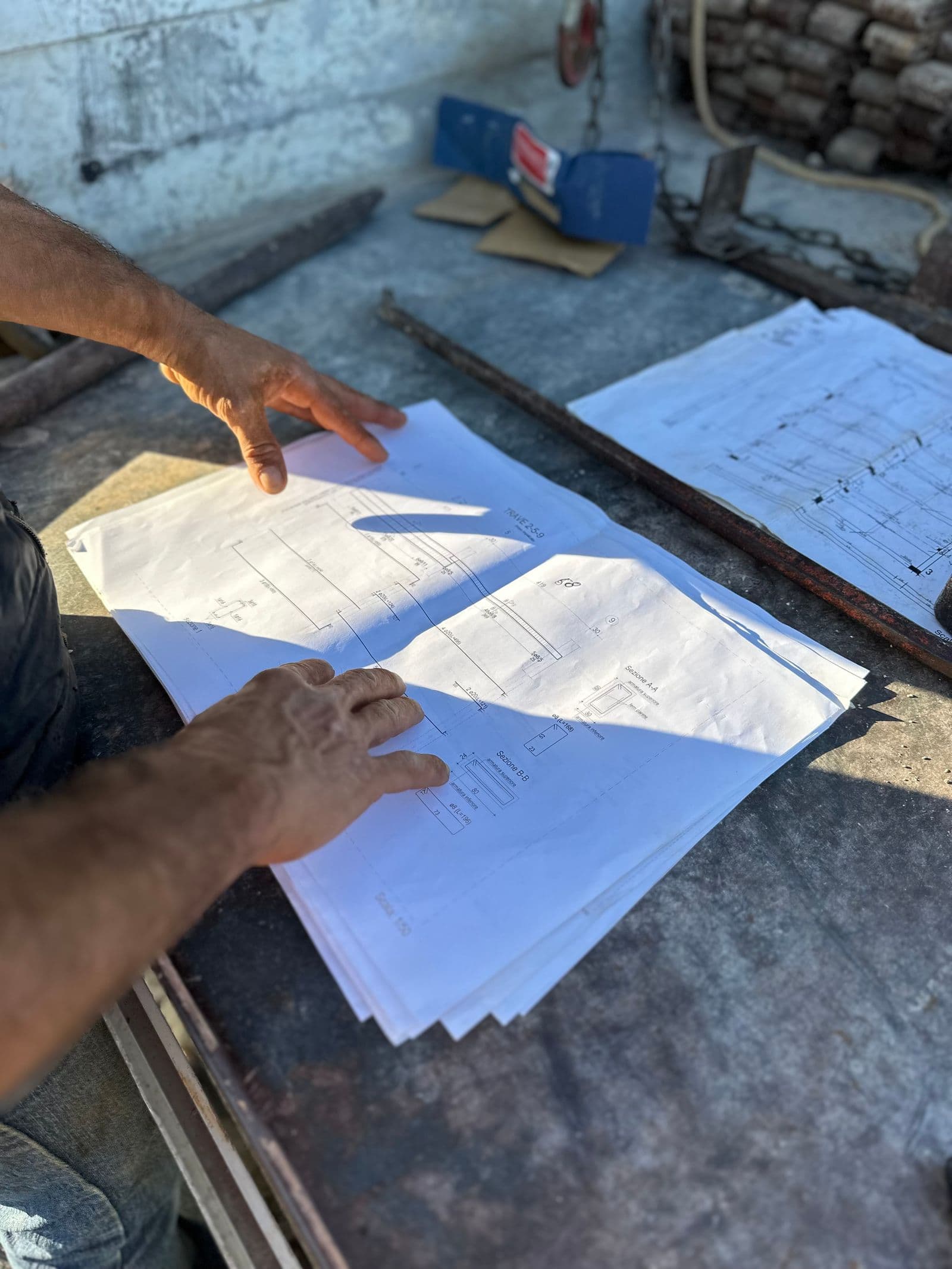
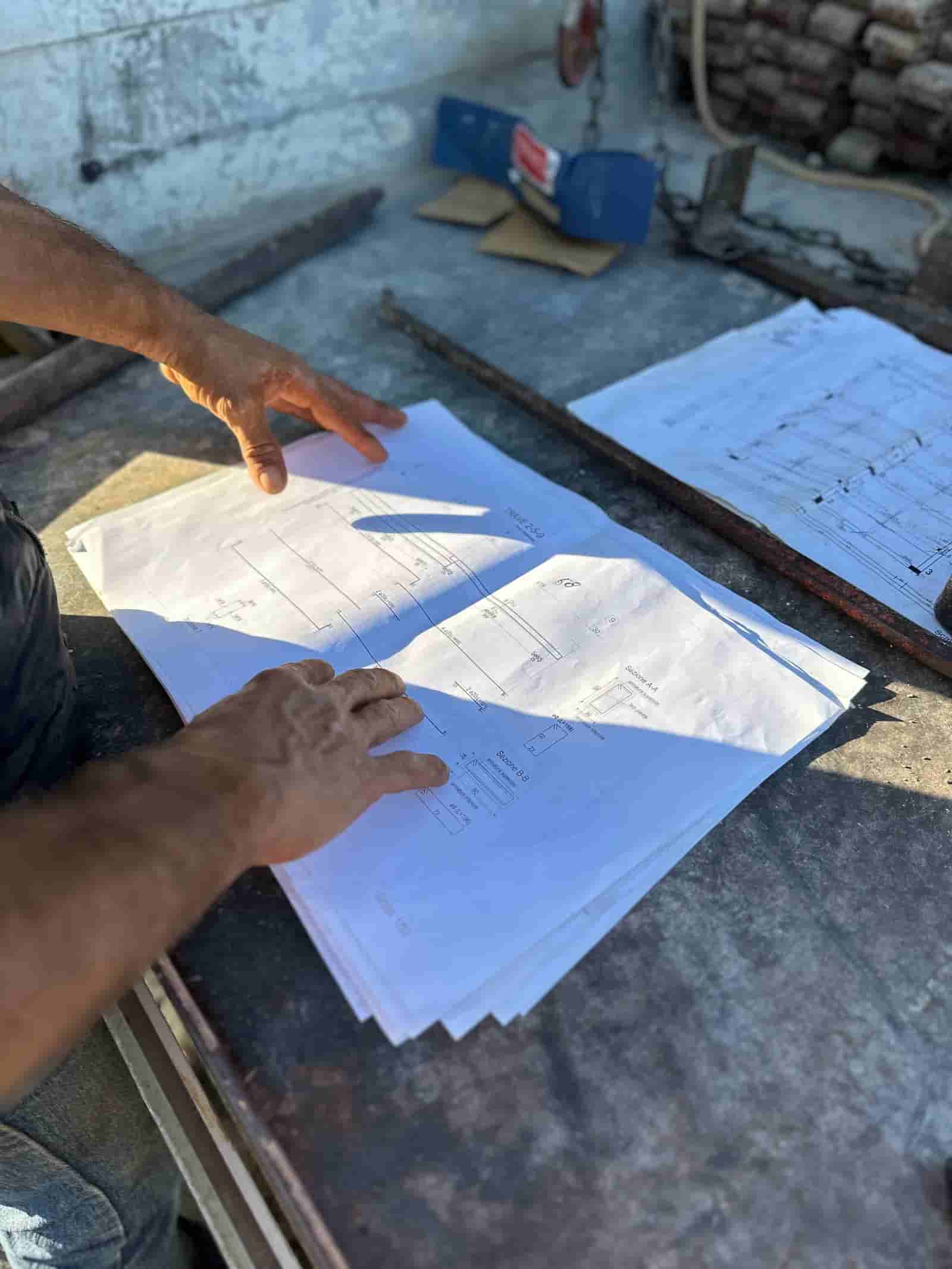
Shop drawings in construction are the fabricator-produced detail drawings that translate the engineer's design drawings into instructions a shop can build from: every member, plate, hole, weld, and bolt drawn piece by piece. They are reviewed and approved through the submittal process before fabrication starts, and the matching erection drawings tell the field crew where every piece mark lands in the frame. For estimators, the detailing cost and the approval cycle are the two numbers that matter, because together they set the price and the lead time of the steel package.
Updated June 2026 · Reviewed by the Ruh construction team
The shop drawing approval flow
Estimating steel and structural scope this week? Watch Ruh take off a real plan in 30 minutes.
Book a walkthroughShop drawings are produced by the steel fabricator, usually through an in-house or subcontracted detailing firm, after award and before anything gets cut. The detailer converts the engineer's S-sheets into piece drawings, one drawing per piece mark, showing exact cut lengths, copes, hole patterns, plate sizes, weld symbols, and bolt counts, plus erection drawings that map every piece mark to its location in the frame. The package routes through the submittal process: fabricator to GC to the engineer of record, who returns it approved, approved as noted, or revise and resubmit. Fabrication starts only on approved drawings, which is why the review cycle sits on the steel critical path. New estimators trip over three things: expecting to take off quantities from shop drawings that do not exist at bid time (the takeoff comes from design drawings), forgetting to carry detailing as its own cost line, and ignoring the review cycle when promising a steel delivery date. The exact piece weights on approved shop drawings later become the check against the bid tonnage.
Detailing is priced per ton of steel or per sheet of drawings, and both rates come from the fabricator or detailing firm. The tonnage basis comes off the design drawings at bid time: framing plans, column schedules, and typical details on the S-sheets, taken off as main member weight plus a connection allowance, commonly 8 to 12 percent for typical commercial framing. Sheet-count pricing uses a production rule of thumb, often near one sheet per ton for ordinary complexity, more for connection-heavy or architecturally exposed steel. In the estimate, detailing lands as a separate line inside the structural steel package, alongside material, shop labor, coatings, freight, and erection. Quantities are not remeasured from shop drawings; the approved set just confirms or corrects the bid tonnage.
Worked example
Price detailing for a 140 ton structural steel package. Step 1, per ton method: at an illustrative detailing rate of $90 per ton, 140 tons x $90 = $12,600. Step 2, sanity check by sheet count: moderately complex commercial work runs near 1 sheet per ton, so 140 tons x 1 sheet per ton = 140 sheets; at an illustrative $85 per sheet, 140 x $85 = $11,900. The two methods bracket the number, carried as $12,500 in the bid. Step 3, schedule the approval cycle: 4 weeks to detail, 2 weeks for engineer review, 1 week to incorporate comments, then 6 weeks of fabrication gives 4 + 2 + 1 + 6 = 13 weeks from award to steel on site. If the review comes back revise and resubmit and the second round costs 3 weeks, erection start slips to 13 + 3 = 16 weeks, and that slip hits every trade stacked behind the steel.
Try Ruh on a real bid. 100% money-back guarantee if you are not satisfied.*
*Scoped delivery, terms apply. Read the guarantee terms
How Ruh handles shop drawings
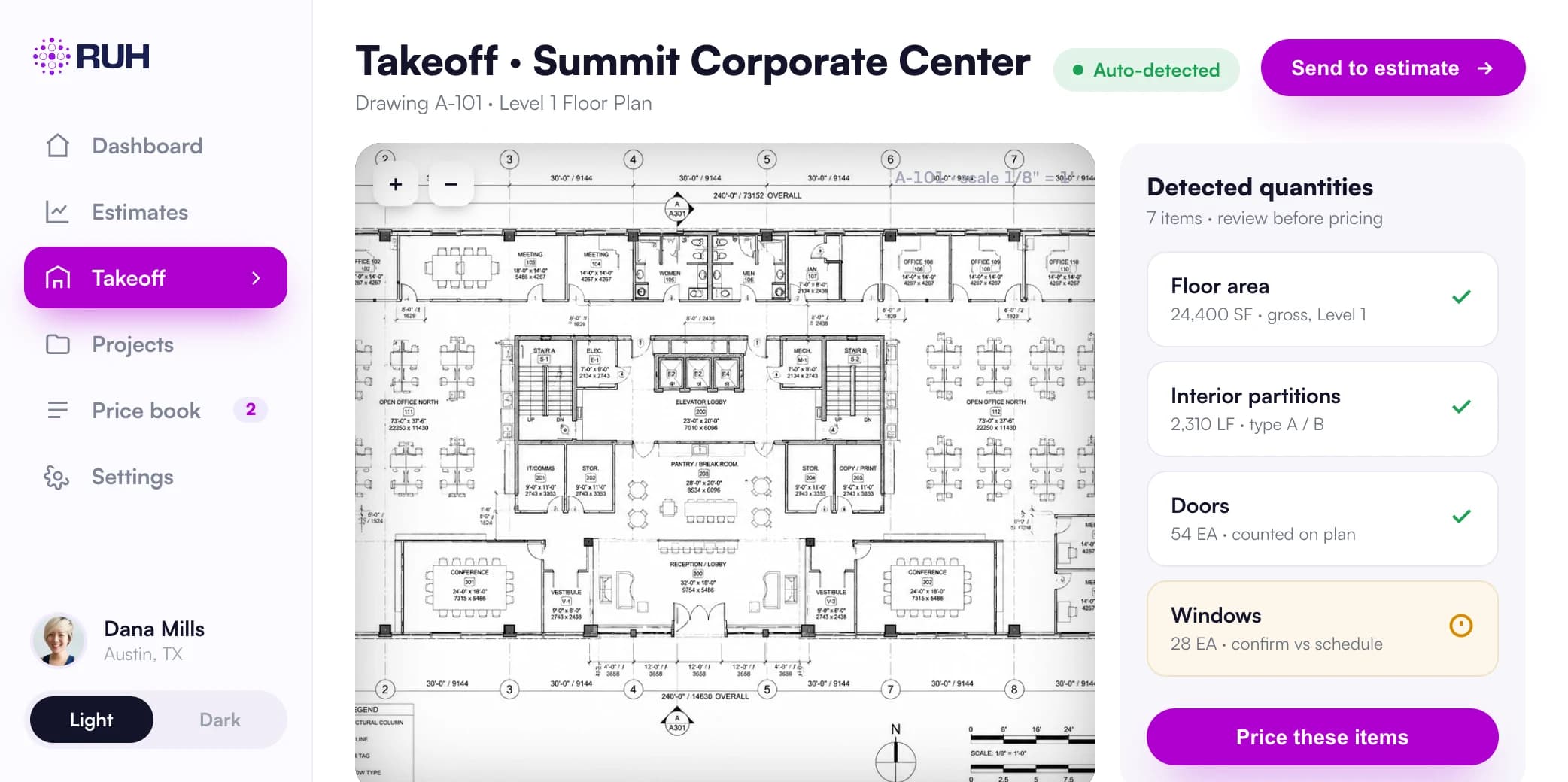
Ruh takes the structural steel quantities straight off the contractor's design drawings, the same S-sheets a detailer will later work from, and builds the takeoff member by member. It then prices the tonnage and the detailing line against the contractor's own price book, their real unit costs rather than a generic database. The estimator reviews the quantities and the detailing assumptions, adjusts where judgment says otherwise, and signs off before the number goes into the bid.
See construction estimating softwareShop drawings: frequently asked questions
Who is responsible for an error on approved shop drawings?+
The fabricator keeps responsibility for dimensions, quantities, and fit, even after the engineer stamps the set. Standard contract language makes the engineer's review a check for conformance with design intent only, not a verification of every dimension. If a beam comes up short because the detailer missed a cope, that is a fabricator backcharge, not a design change.
Can I do my takeoff from shop drawings instead of design drawings?+
Not at bid time, because shop drawings do not exist yet; the winning fabricator produces them after award. The estimate has to come off the design drawings, with estimator judgment filling in connection material the engineer left to the detailer. Once shop drawings are approved, their advance bills of material give exact piece weights, a useful check against the bid tonnage but months too late to bid from.
What does approved as noted mean for the fabrication schedule?+
It means the engineer marked comments on the set but the fabricator may proceed without waiting for another review round, incorporating the notes as it goes, so the steel stays on schedule. Revise and resubmit is the expensive stamp: the package goes back through detailing and a full second review cycle, which commonly adds two to four weeks to steel delivery and pushes the erection start.
Still measuring by hand? Your next takeoff can run while you review this one.
See it on your plansRelated terms
Keep going: read the full guide or explore construction estimating software.
See Ruh price a bid from your own drawings.
AI takeoff and estimating on your price book, your estimator signs off.
Figures on this page are illustrative. Construction estimates depend on project-specific conditions, source documents, market pricing, and professional judgment. Ruh's AI assists the estimator and does not replace professional review: your team reviews, validates, and approves every estimate, bid, and pricing decision.