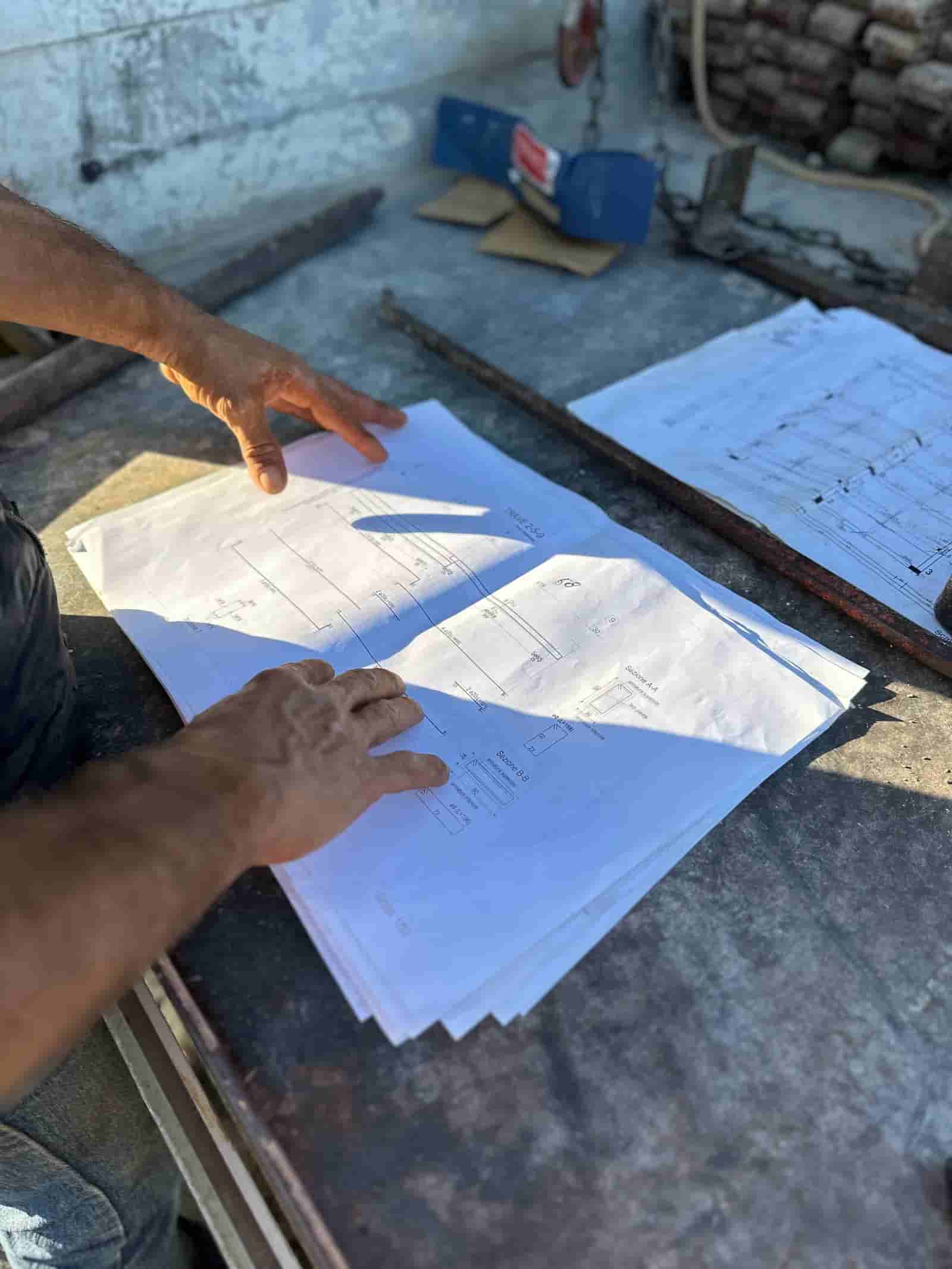
The board will ask where the number came from.
Community association work is estimated for an audience that votes on it. The technical scope is ordinary repair and maintenance, but the estimate has to survive a board meeting, which means every quantity needs a source a non-estimator can follow.
100% money-back guarantee. Terms apply.
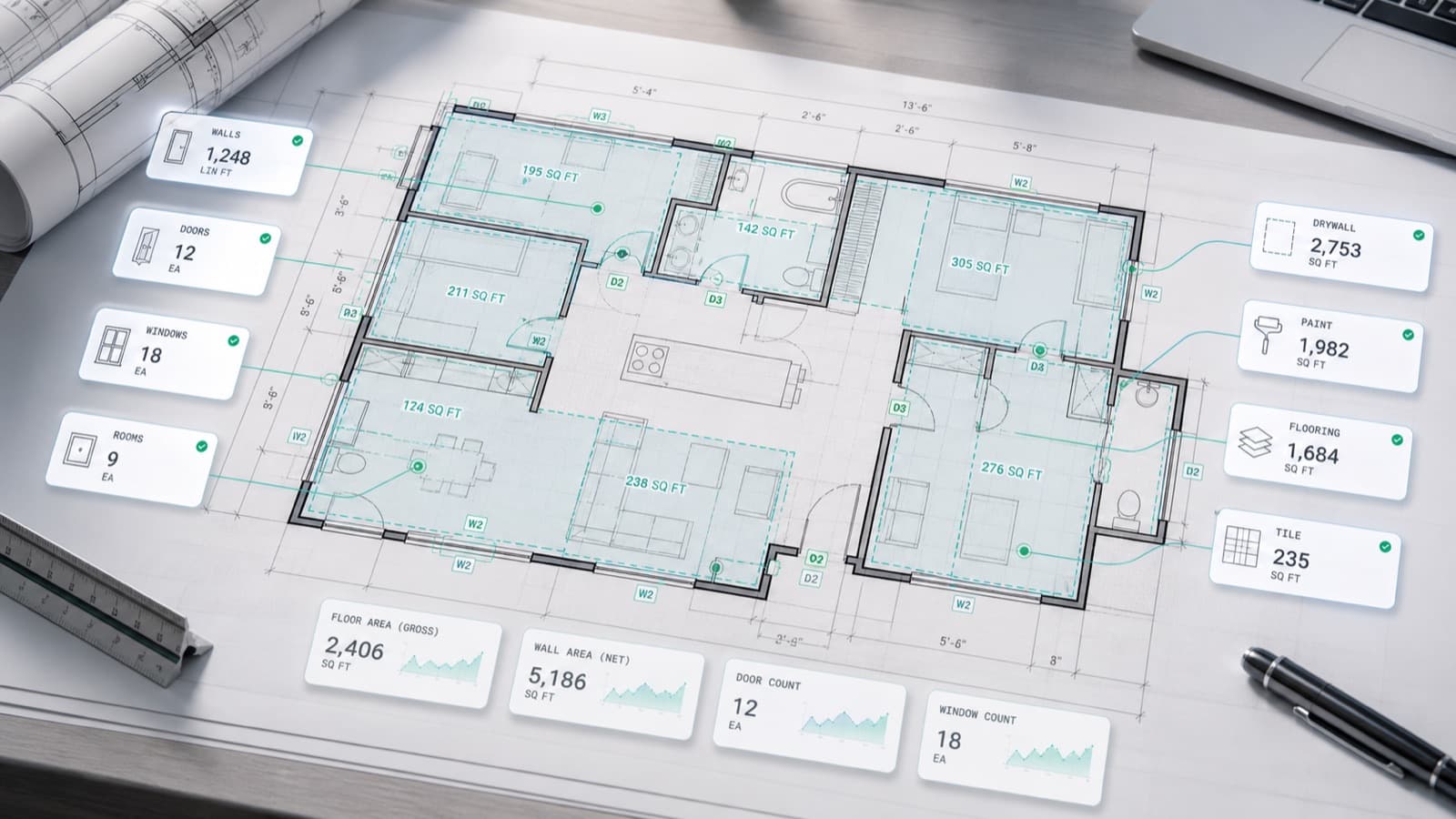
The estimate is a governance document
A board is spending other owners' money, often against a reserve study, frequently with competing bids on the table. A number without a visible basis loses to a number with one, even when the number without a basis is better. That is a documentation problem, not a pricing problem.
The quantities, and where each one comes from.
Units an estimator on this work would recognise, with the note that matters rather than a definition.
| Item | Unit | Note |
|---|---|---|
| Scope by common element | varies | Boards think in common elements, not trades. Group the estimate the way the governing documents do. |
| Per-building quantities | sf, lf, ea | Kept visible per structure, so an owner can see what their building costs. |
| Phasing options | phase | Boards often fund in stages. Price the phases you can actually mobilise for separately. |
| Reserve-study alignment | line | Where a reserve study named a component and a life expectancy, reference it. It is the board's own document. |
| Allowances and exclusions | line | Anything not measured is stated as an allowance with the basis, never absorbed silently. |
The three things that decide whether the number holds.
Bids get compared line by line by amateurs
A board will read your exclusions more carefully than a GC will. Vague exclusions read as hidden cost. Write them as items, not as a paragraph, and say what each one would cost if it were added.
Phasing is a pricing question, not an afterthought
Splitting a property across two funding years changes mobilization, access and price. If you price the whole job and the board funds half, you have quoted a job that does not exist. Offer the phases you can actually deliver.
The reserve study is the board's reality, not yours
It may be optimistic, dated or wrong about a component. Argue with it explicitly and in writing where you disagree, because the board is comparing your number to that document whether or not you reference it.
Try Ruh on a real bid. 100% money-back guarantee if you are not satisfied.*
*Scoped delivery, terms apply. Read the guarantee terms
Where to read next.
The trade pages, tools and guides that carry the detail this page summarises.
HOA and community association estimating: frequently asked questions
What makes an HOA estimate different from a commercial one?+
The audience. The scope is ordinary repair and maintenance, but the reader is a volunteer board spending other owners' money, usually against a reserve study and usually with competing bids. So the estimate has to be legible to a non-estimator: quantities grouped by common element, per-building costs visible, exclusions written as items, and every number traceable to something the board can look at.
How should exclusions be written for a board?+
As a list of items, each with what it would cost if added. A paragraph of exclusions reads as concealment to someone who is not in construction, and it is the section a board will scrutinise hardest. Naming the price of each excluded item turns it from a hidden risk into an option they can choose, which is also how you win the change order later.
Should the estimate reference the reserve study?+
Yes, and disagree with it in writing where you disagree. The board is comparing your number against that document whether you mention it or not, so silence just means they do the comparison without your input. If the study assumed a component had five years left and the photos show it does not, say so with the photo attached. That is the most persuasive thing in the whole proposal.
How do you price a job the board might fund in phases?+
Price the phases you could actually mobilise for, separately, and say what the combined price would be if they fund it all at once. Mobilization and access do not scale linearly, so a two-phase job genuinely costs more than one phase of double the size. Making that visible is honest and it also gives the board a reason to fund the whole thing.
Try Ruh on a job you are leveling now.
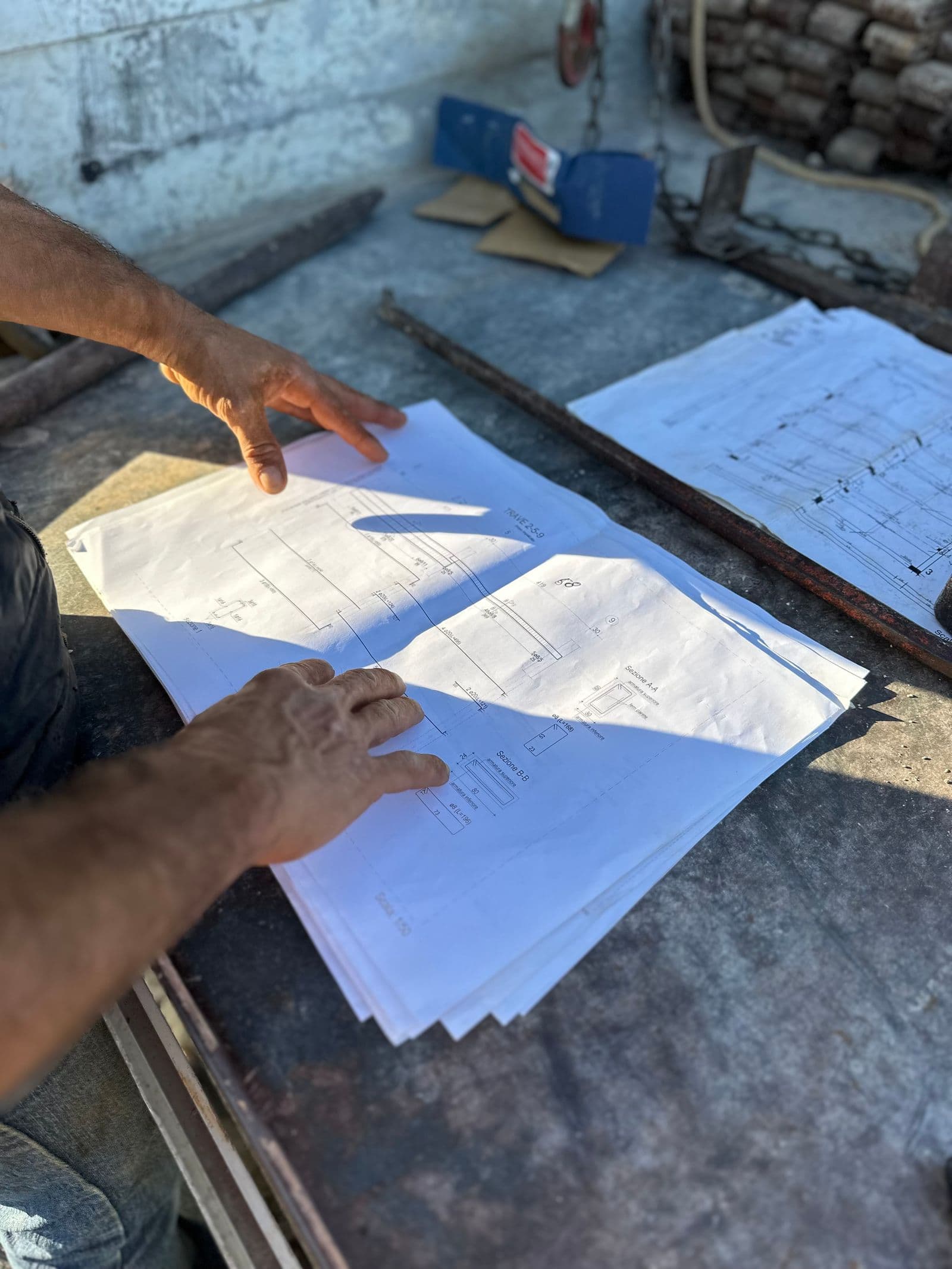
Put us on a live trade package rather than a canned demo. Ruh reads the drawings, measures that scope independently of any bid already in hand, and prices it on your own rates, with every line traceable to the sheet. If it does not hold up, you are covered by the guarantee below.
- 1Tell us about a job you are leveling and which trade package to take
- 2Ruh measures that scope from the drawings, independently of the sub bids you have received
- 3You get quantities you can hold the proposals against, each one traceable to the sheet
Put it on a property you are pricing now.
Ruh reads the walk photos and the documents, measures the scope, and prices it on your own rates, with every line traceable to what it was read from.