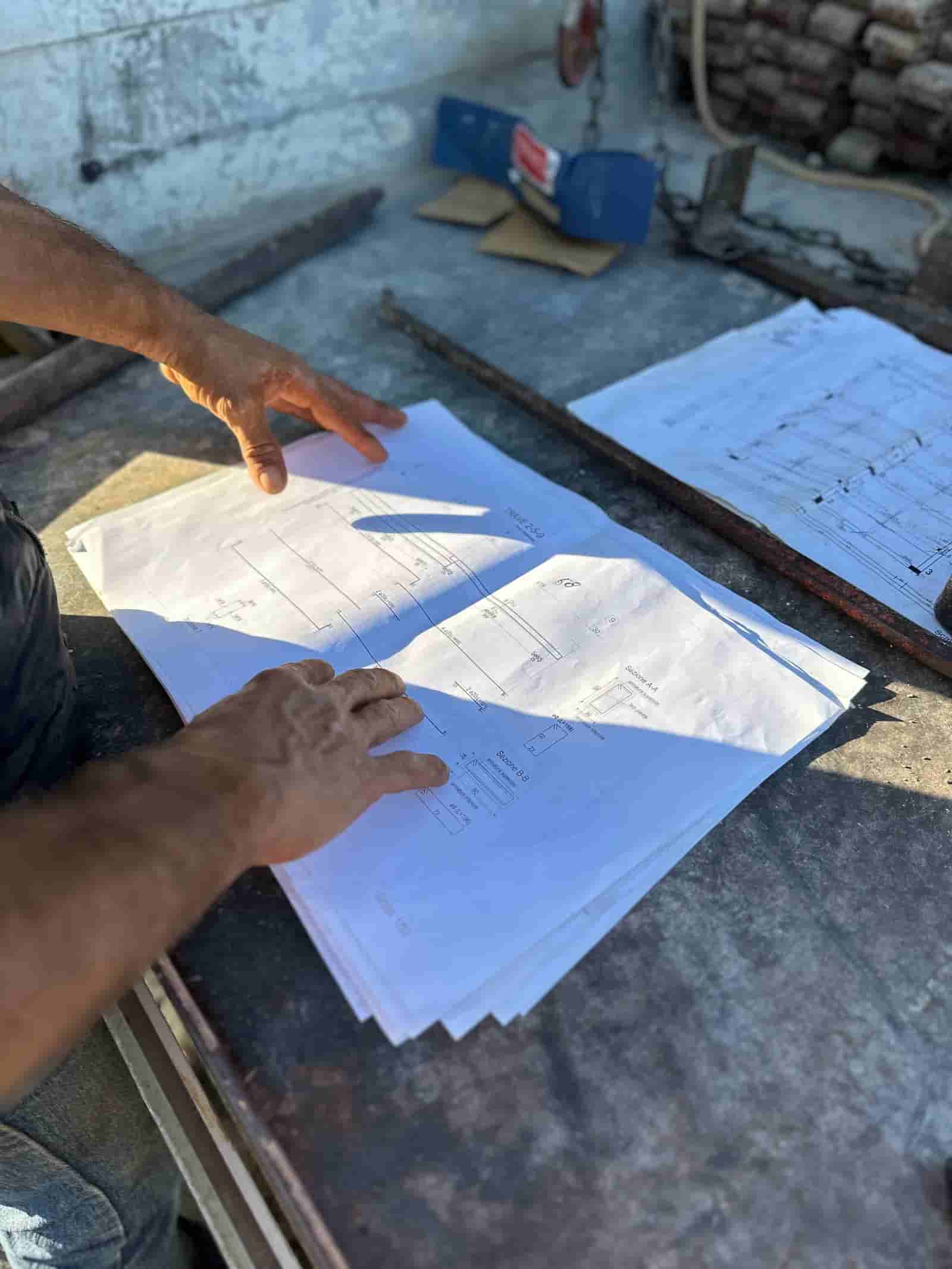
Fifteen buildings and four garages.
Multifamily exterior work is the same scope repeated across a portfolio, which sounds simpler than it is. Repetition is where estimates go wrong, because one wrong per-building assumption multiplies by nineteen structures before anyone notices.
100% money-back guarantee. Terms apply.
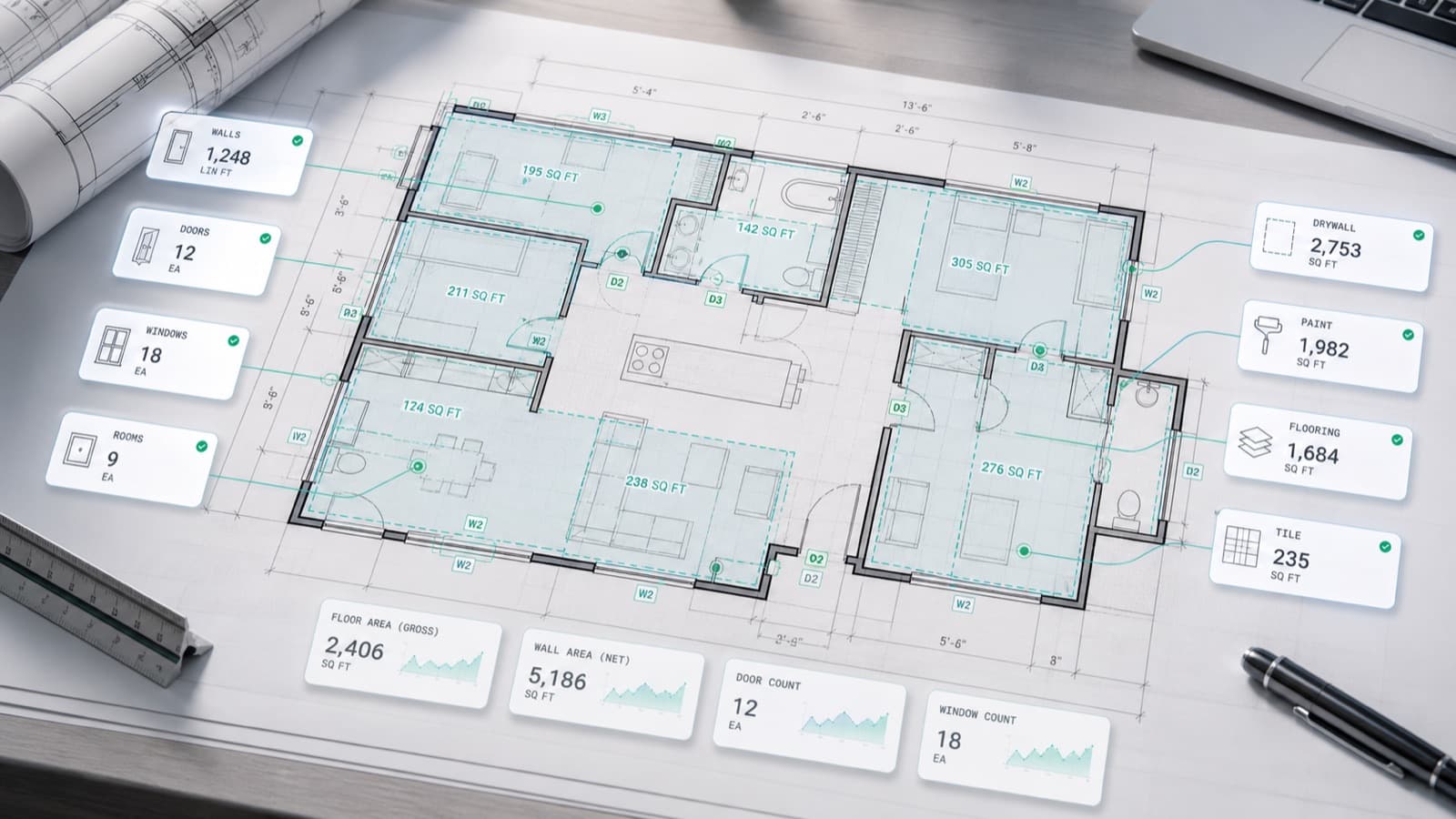
One bad assumption, multiplied nineteen times
Price one building carefully and multiply, and any error in that first building scales with the property. Price each building separately and you are re-doing the same work fifteen times. The answer is a per-building quantity that stays visible, so an outlier stands out instead of averaging away.
The quantities, and where each one comes from.
Units an estimator on this work would recognise, with the note that matters rather than a definition.
| Item | Unit | Note |
|---|---|---|
| Wall area per building | sf | Kept per building, never blended, so a taller or larger structure does not hide inside a portfolio average. |
| Siding and siding repair | sf | Sound siding to be painted, separated from cracked or missing panels to be replaced. Two different rates, frequently one line. |
| Wood trim and fascia | lf | Repair runs separated from paint-only runs, per building. |
| Gutters and downspouts | lf | By building. Easy to price off one building and multiply, which is wrong the moment roof lines differ. |
| Carports and metal fascia | ea, lf | Panels counted per structure. Carports are usually the least photographed part of a property. |
| Mobilization | job | Priced per property rather than per building, which is the difference between a competitive number and a lost bid. |
The three things that decide whether the number holds.
Buildings that look identical usually are not
End units, corner buildings and anything facing a different exposure carry different damage. Grouping buildings by type is right; assuming the group is uniform is not. Photograph and price at least one of each variant.
Mobilization per property, not per building
Setting up once and moving around a site is one cost. Bidders who price mobilization per building lose, and bidders who forget it entirely lose money. It belongs on the estimate as its own line.
Carports are where the scope hides
Metal panels, fascia, posts and the paint on all of it. They are outbuildings, so they get walked last and photographed least, and they routinely turn up as a change order.
Try Ruh on a real bid. 100% money-back guarantee if you are not satisfied.*
*Scoped delivery, terms apply. Read the guarantee terms
Where to read next.
The trade pages, tools and guides that carry the detail this page summarises.
Multifamily exterior estimating: frequently asked questions
Do you price each building separately or price one and multiply?+
Group buildings by type, price one of each type properly, then multiply by the count while keeping the per-building quantity visible on the estimate. That gives you the speed of multiplying and the auditability of pricing individually. The reason to keep it visible is that an outlier building shows up immediately, instead of being averaged into a portfolio number nobody can interrogate.
Where does mobilization belong on a multifamily bid?+
As its own line, priced per property. You mobilise to the site once and move between structures, so pricing it per building inflates your number and pricing it nowhere costs you the margin. Putting it on its own line also means the owner can see it, which matters when they are comparing your bid against someone who buried it.
What gets missed most often across a portfolio?+
Carports and other outbuildings. They are walked last, photographed least, and they carry real scope: metal panels, fascia, posts and paint. The second most common miss is that buildings assumed to be identical are not, because end units and different exposures weather differently, so the damage quantities diverge even when the geometry matches.
How do you handle a property where photo coverage is uneven?+
Flag it rather than average it. If two of four carports were photographed, that is a coverage gap, and pricing the other two by assuming they match the first two is how you end up eating a change order. The honest move is to price what is covered, list what is not, and either go back for the photos or carry it as a stated allowance.
Try Ruh on a job you are leveling now.
Put us on a live trade package rather than a canned demo. Ruh reads the drawings, measures that scope independently of any bid already in hand, and prices it on your own rates, with every line traceable to the sheet. If it does not hold up, you are covered by the guarantee below.
- 1Tell us about a job you are leveling and which trade package to take
- 2Ruh measures that scope from the drawings, independently of the sub bids you have received
- 3You get quantities you can hold the proposals against, each one traceable to the sheet
Put it on a property you are pricing now.
Ruh reads the walk photos and the documents, measures the scope, and prices it on your own rates, with every line traceable to what it was read from.