

Design files, read where they live.
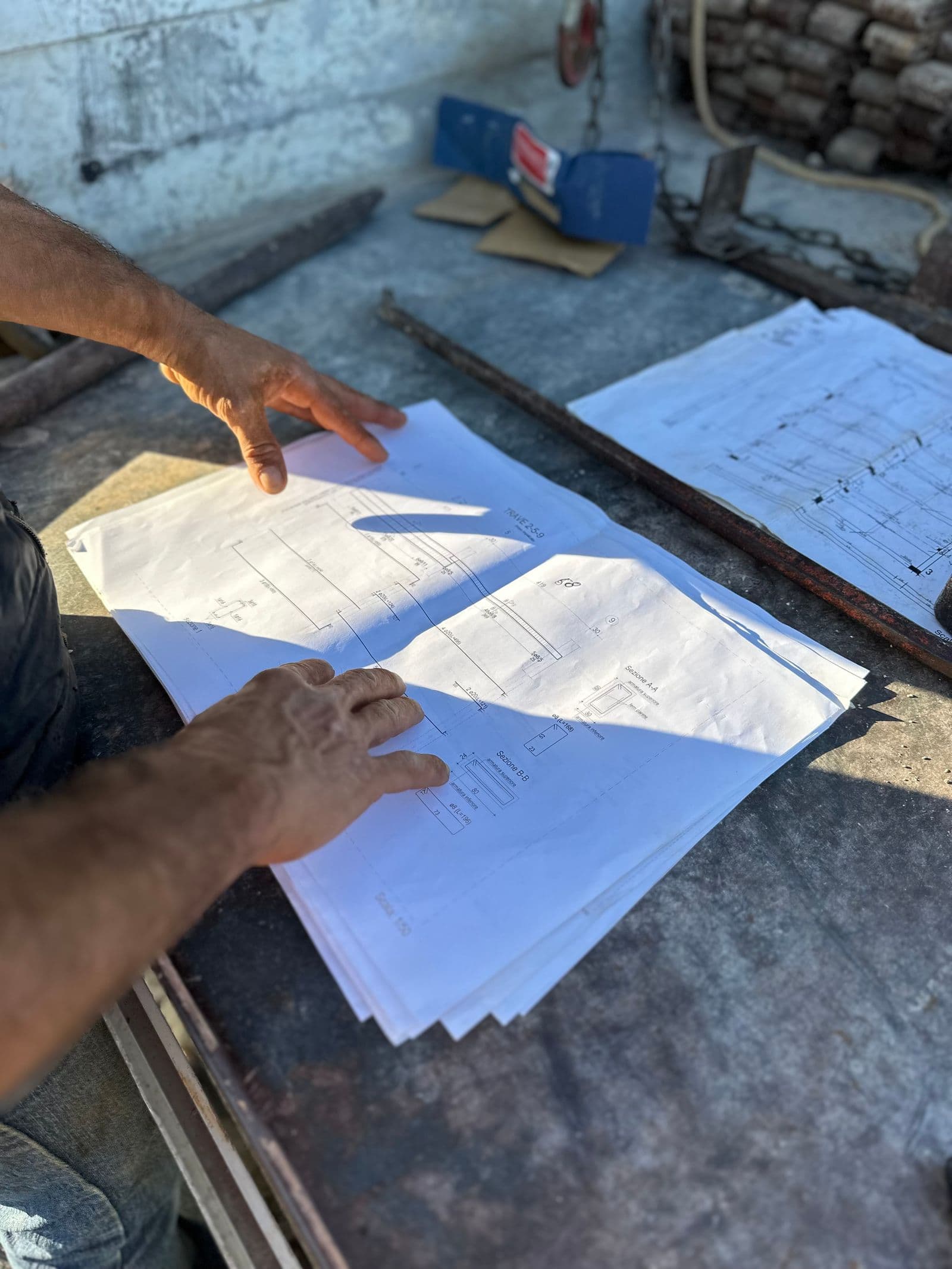
AutoCAD and Revit stay your authoring tools. Ruh reads the sets they produce, PDFs, CAD, and DXF, classifies the sheets, measures the quantities, and lands the drawing set bid-ready in the takeoff and estimate, without exports and re-draws. On the platform side, drawing sets generate from the approved design model and revisions carry to the bid instead of orphaning it.
What Ruh does inside Autodesk.
CAD and DXF, natively read
Sheet classification, symbol counting, and scale calibration run on the files your design tools produce, not on screenshots of them.
Bid-ready without re-draws
The set lands directly in AI Takeoff, quantities measure from your sheets, and the estimate prices on your rates.
Revisions carry, not scatter
When an ASI changes the design, the project record updates, so the takeoffs and estimates built on it do not silently go stale.
Your authoring stays yours
Revit and AutoCAD workflows do not change. Ruh consumes what they produce and carries it across the project graph.
Connected on your terms.
Connected in your tenant
Design files and derived data stay inside your environment, with no training on your data.
IT reviews the plan
Deployment, access, and file-handling scopes go through your IT before production.
Live in about a week
Send one real set and the first measured takeoff runs on the walkthrough call.
Proof from live builds.



See Ruh work inside your Autodesk.
A free 30 minute walkthrough on your own setup and your real work, no card. Bring IT if you want the connection questions answered live.
Ruh + Autodesk, asked and answered
What teams ask before connecting.
Does Ruh replace AutoCAD or Revit?
No. Your design and BIM tools stay exactly as they are. Ruh reads the sets they produce and puts them to work downstream: takeoff, estimate, and the project record.