100% money-backBook a walkthrough

Construction glossary · Estimating concepts

What is hard costs in construction?

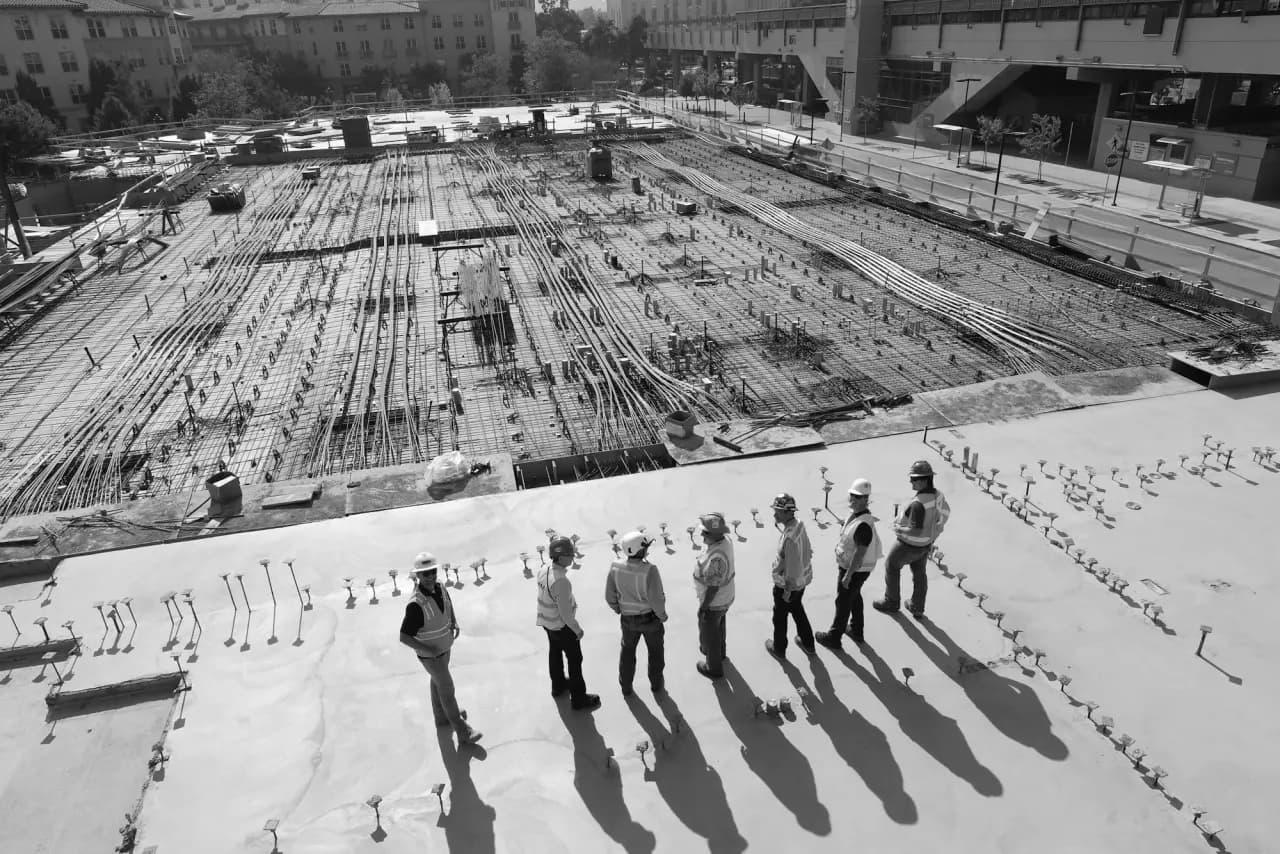
Hard costs are the direct costs of physically constructing a building: materials, trade labor, equipment, and subcontracted work that becomes part of the finished structure. They are distinct from soft costs, which cover design fees, permits, financing, insurance, and other expenses that do not put work in place. On a typical US commercial project, hard costs represent the largest share of the total project budget.

Updated June 2026 · Reviewed by the Ruh construction team

Hard = physical constructionIncludes labor, material, equipShare ~70-80% of budget

Hard costs vs soft costs

Hard costs ~75%Soft costs ~25%Bricks-and-mortar vs everything else

Estimating estimating concepts scope this week? Watch Ruh take off a real plan in 30 minutes.

Book a walkthrough
Definition

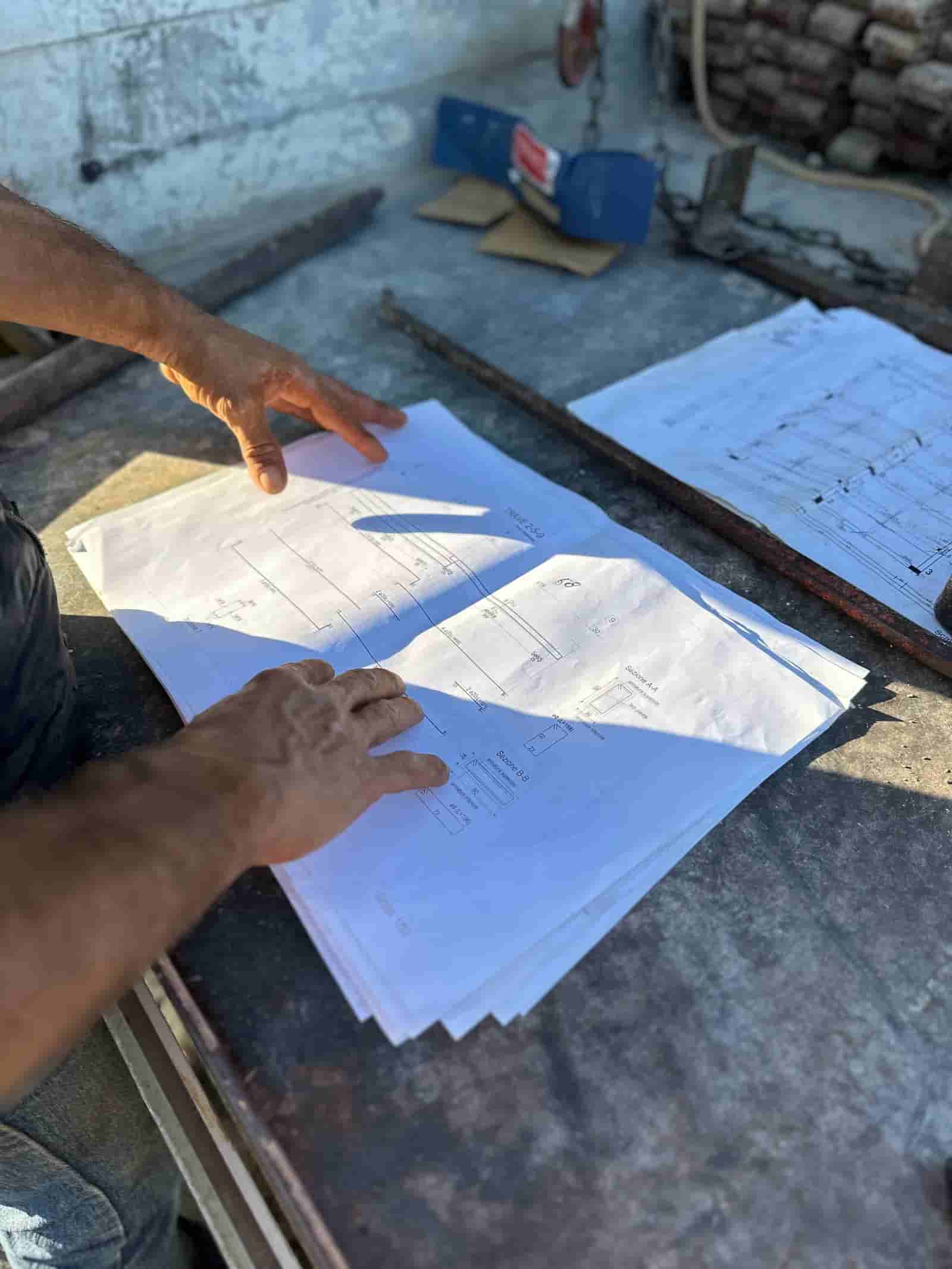
Hard costs are the construction dollars that buy physical work: concrete, steel, drywall, the trade labor that installs them, the equipment that moves them, and the subcontracts that deliver them. You will see the term most often in owner-side budgets, lender draw schedules, and GMP exhibits, where total project cost splits into hard costs (the construction contract) and soft costs (design fees, permits, legal, financing, testing, and similar). On the contractor side, hard costs map closely to direct costs in the estimate: the priced takeoff quantities plus subcontractor bids. New estimators trip over the boundary items. General conditions sit inside the construction contract, so owners usually count them as hard costs, even though estimators treat them as indirect. Land, design fees, and most FF&E belong with soft costs or separate owner lines, never in hard costs. When an owner hands you a hard cost budget to validate, confirm exactly which lines it includes before comparing it to your estimate, because a mismatch on general conditions or contingency can make a sound estimate look busted.

How it is measured

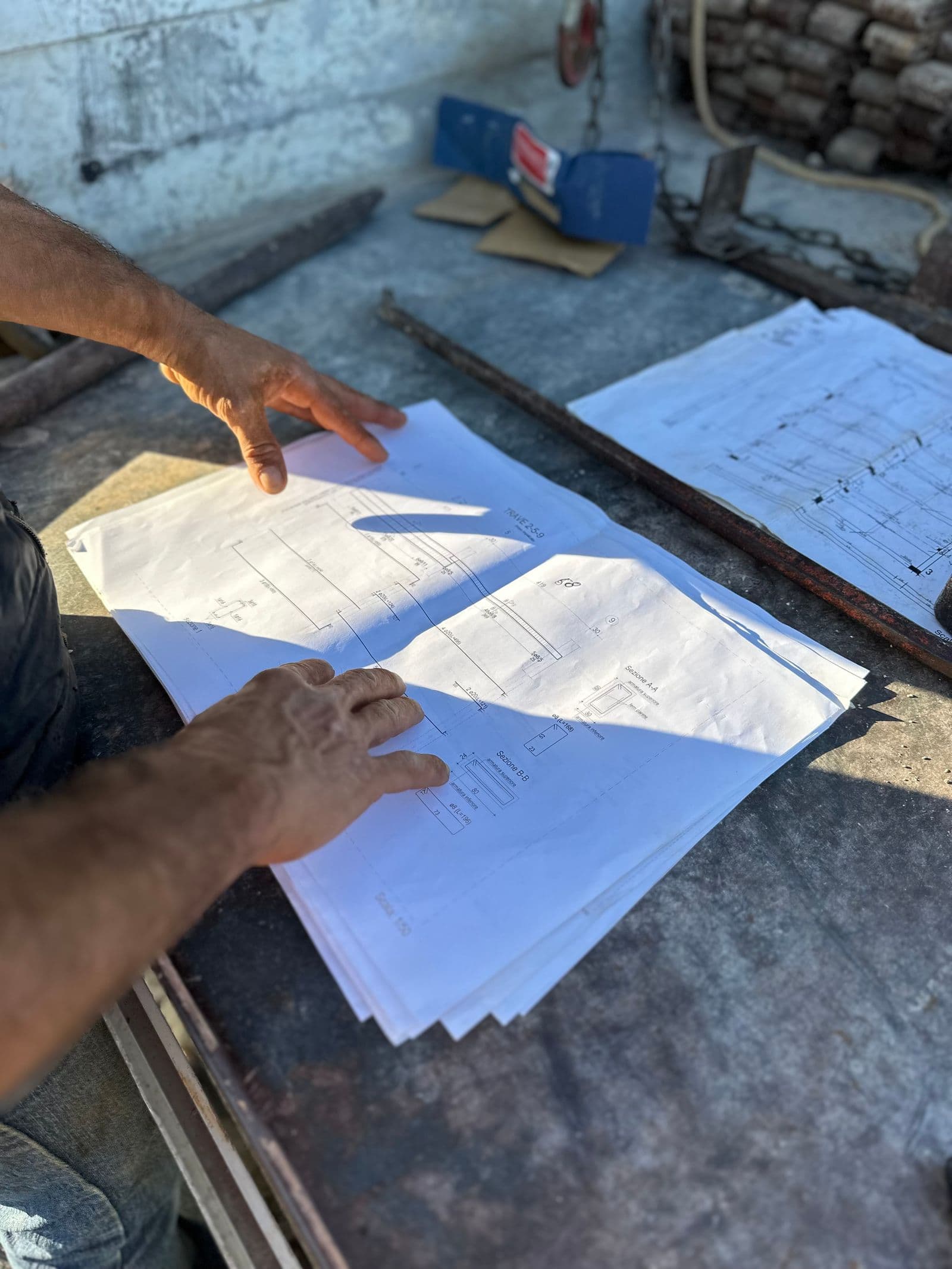
Hard costs are measured in dollars, built from the bottom up: takeoff quantities (cubic yards of concrete, square feet of drywall, linear feet of pipe) multiplied by unit costs, plus subcontractor quotes for the trades you do not self-perform. At the summary level they are usually organized by CSI MasterFormat division or UniFormat assembly, then rolled up to a cost per square foot of gross building area for benchmarking. In documents, hard costs live in the estimate summary, the schedule of values, the AIA G703 continuation sheet on pay applications, and the construction line of the owner's development budget. When you quote a hard cost number, state what it includes (general conditions, contingency, escalation) so the next reader can compare apples to apples.

Worked example

Worked example

Take an illustrative $10,000,000 total project budget for a small US commercial building. Using a planning assumption of 75 percent hard costs, the construction budget is $10,000,000 x 0.75 = $7,500,000, leaving $2,500,000 for soft costs (design, permits, financing, testing). Now split the $7,500,000 of hard costs into buckets: site work at 10 percent = $750,000; structure and shell at 40 percent = $3,000,000; interiors at 25 percent = $1,875,000; mechanical, electrical, and plumbing at 25 percent = $1,875,000. Check the math: $750,000 + $3,000,000 + $1,875,000 + $1,875,000 = $7,500,000. If the building is 25,000 square feet, the hard cost benchmark is $7,500,000 / 25,000 square feet = $300 per square foot, which you can sanity check against recent bids for similar building types. All splits here are illustrative; the real ratios should come from your own historical cost data.

100%

Try Ruh on a real bid. 100% money-back guarantee if you are not satisfied.*

*Scoped delivery, terms apply. Read the guarantee terms

Start with a walkthrough
How Ruh handles it

How Ruh handles hard costs

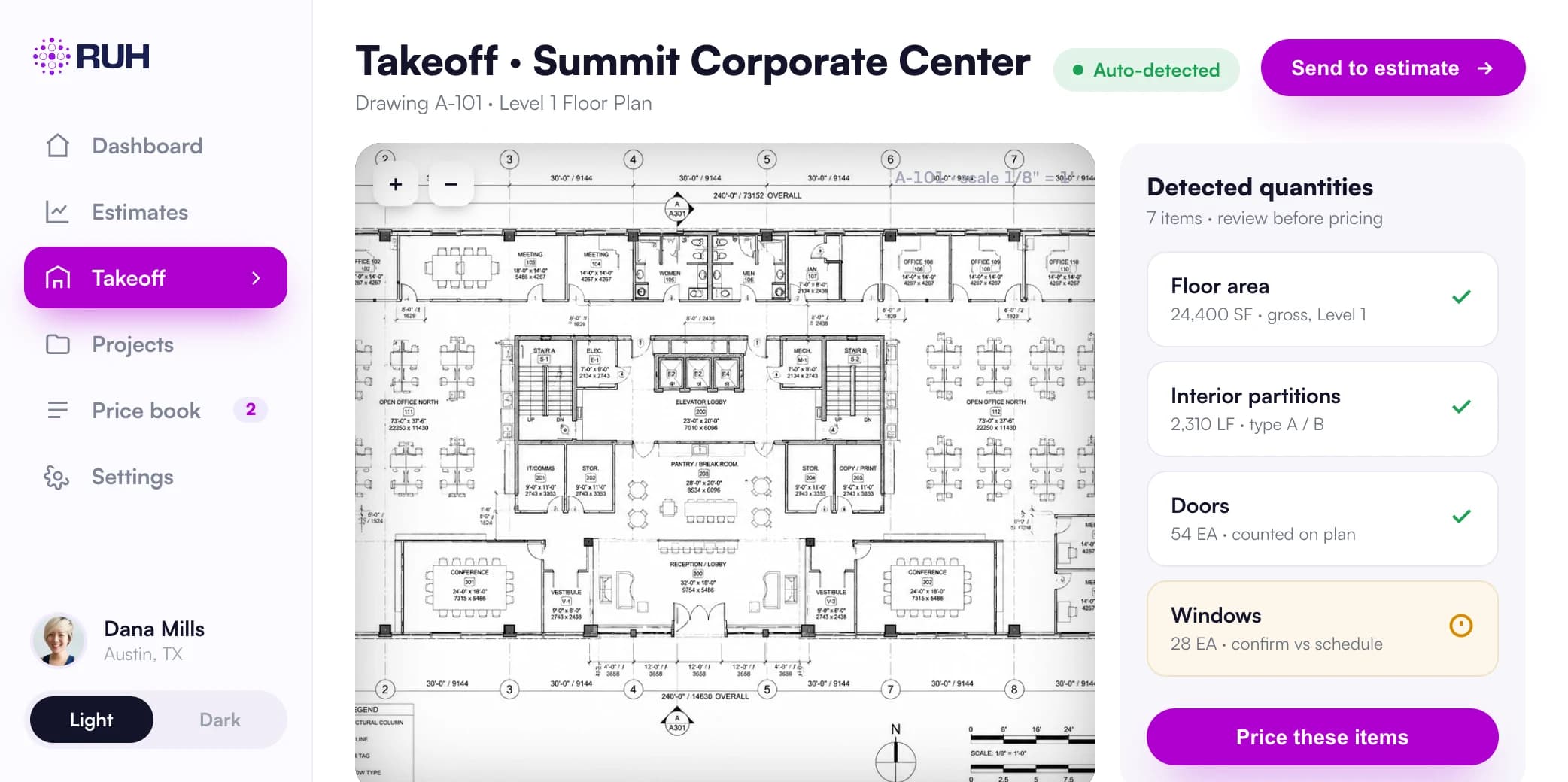
Hard costs are exactly what Ruh drafts: it reads the contractor's drawings, runs the takeoff, and prices the resulting quantities against the contractor's own price book, so every line reflects their real unit costs rather than generic database numbers. The output is a line-item hard cost draft that the estimator reviews, adjusts for project conditions, and signs off on. The estimator keeps final judgment over the hard cost number; Ruh just gets the draft there faster.

See construction estimating software

Hard costs: frequently asked questions

Are general conditions hard costs or soft costs?+

They usually land in the hard cost bucket because they sit inside the construction contract, covering the contractor's supervision, temporary facilities, and field office. Internally, estimators treat them as indirect costs rather than direct trade costs. The practical rule: confirm how the owner's or lender's budget template classifies them before comparing numbers.

Is land a hard cost?+

No. Land acquisition is carried as a separate line in the owner's development budget, often grouped with soft costs or shown on its own. The same goes for design fees, legal costs, financing charges, and most FF&E. Hard costs only cover the construction work itself.

What percentage of a project budget is hard costs?+

There is no fixed split; it depends on project type, site conditions, and financing structure. A common early planning rule of thumb in US commercial work puts hard costs at roughly 70 to 80 percent of total project cost, with soft costs taking the rest. Treat that as a starting assumption to be replaced with real numbers as design develops.

Still measuring by hand? Your next takeoff can run while you review this one.

See it on your plans

Related terms

Keep going: read the full guide or explore construction estimating software.

The Estimating concepts estimating cheat sheet
Every unit, waste factor, and conversion on one page. Free PDF.

See Ruh price a bid from your own drawings.

AI takeoff and estimating on your price book, your estimator signs off.

Figures on this page are illustrative. Construction estimates depend on project-specific conditions, source documents, market pricing, and professional judgment. Ruh's AI assists the estimator and does not replace professional review: your team reviews, validates, and approves every estimate, bid, and pricing decision.
Hard costs vs soft costs in construction | Ruh AI